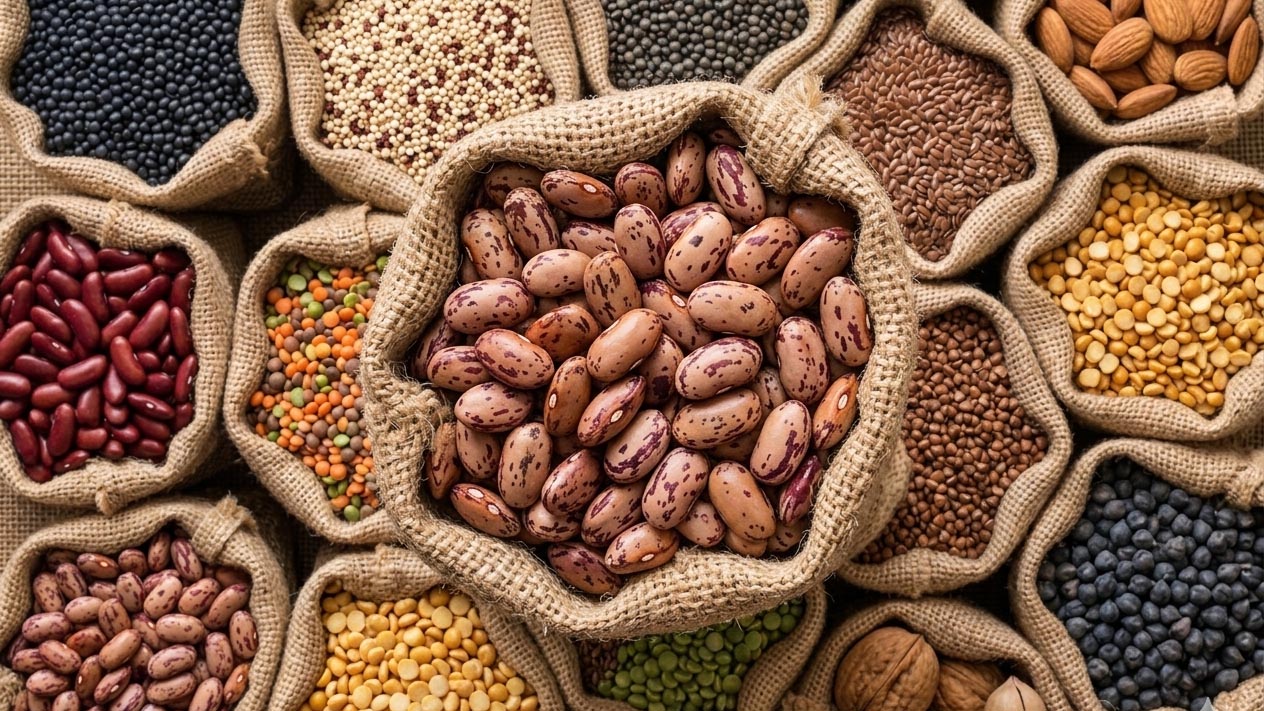
MBABANE – More than E9 million worth of locally produced beans are lying unsold at National Maize Corporation (NMC) storage facilities, as the parastatal battles to secure a market for the produce amid stiff competition from cheaper South African imports.
Investigations by the Times of Eswatini have established that NMC is currently holding over 300 metric tonnes of beans procured from local farmers under government-backed programmes aimed at promoting food security, crop diversification and His Majesty King Mswati III’s vision of grain sovereignty.
However, despite the aggressive push for increased local bean production, the corporation now finds itself trapped between supporting farmers and dealing with harsh market realities, where imported beans continue to dominate shelves because they are significantly cheaper.
Information gathered during investigations revealed that the beans were purchased from local farmers at approximately E27 650 per metric tonne. This formed part of government’s broader efforts to encourage farmers to increase bean production and reduce the country’s reliance on imports.
The strategy initially appeared promising as farmers responded positively to calls to venture into bean production, seeing an opportunity to diversify from maize and other traditional crops while contributing towards national food security objectives.
However, investigations revealed that the situation has since taken a dramatic turn.
Retailers continue sourcing beans from South Africa at an average price of around E18 000 per metric tonne, creating a massive pricing gap that local producers are unable to match.
This difference of nearly E10 000 per metric tonne has made imported beans far more attractive to retailers and consumers alike, leaving NMC warehouses heavily stocked with unsold local produce.
According to information gathered during investigations, some retailers who had initially purchased locally sourced beans later reverted to imported stock after consumers reportedly showed a preference for cheaper South African brands.
The investigations further revealed that affordability remains one of the biggest factors influencing buying patterns among consumers, resulting in retailers opting for lower-priced imports.
The development now threatens the sustainability of the local bean industry, with concerns mounting that farmers who answered government’s call to increase production may suffer heavy losses if market access challenges are not urgently addressed.
Investigations further established that authorities had attempted to create market space for local beans through temporary import restrictions introduced through relevant regulatory processes.
The restrictions were expected to reduce the influx of cheaper imports and give local stock an opportunity to penetrate the domestic market.
*…
Crisis threatens food security goals
MBABANE – Growing concerns are emerging that Eswatini’s local bean industry could face long-term decline if current market challenges affecting locally produced beans remain unresolved.
Investigations by the Times of Eswatini have revealed that stakeholders within the agriculture sector are increasingly viewing the situation not merely as a commercial challenge, but as a broader food security and agricultural sustainability concern with potential long-term implications for the country’s grain sovereignty agenda.
According to information gathered during investigations, there are fears that farmers may gradually reduce bean production in future seasons due to uncertainty surrounding market access and profitability.
*Full article available on Pressreader*
More than E9 million worth of locally produced beans are lying unsold at National Maize Corporation storage facilities, as the parastatal battles to secure a market for the produce amid stiff competition from cheaper South African imports. (Courtesy pic)