Madam,
The rise of fuel costs has most of us gasping for air; we are drowning. Have you ever heard of the decompression chamber, also known as the hyperbaric chamber? It’s used when divers return from deep water. The chamber slowly reduces the pressure around the diver to prevent or treat decompression sickness, which occurs when nitrogen bubbles form in the body from surfacing too quickly. Things are getting to a point where emaSwati need that chamber in their homes.
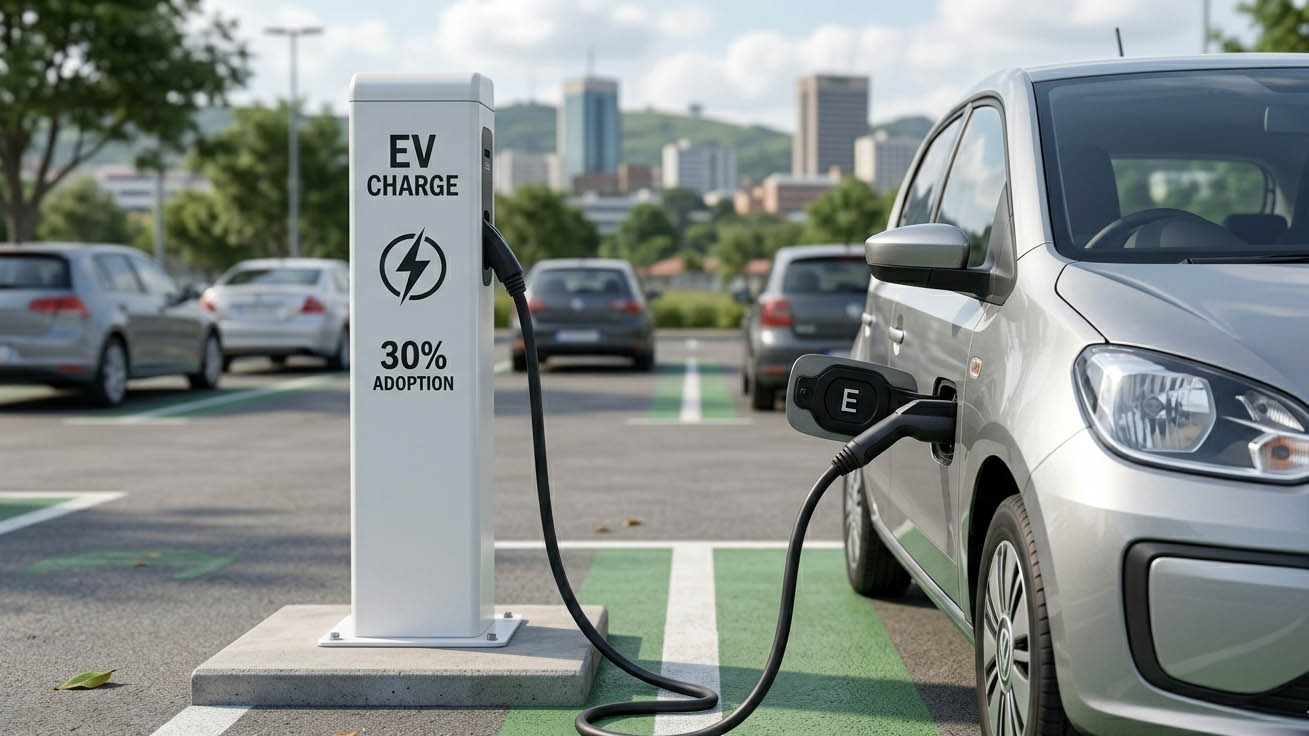
The struggle with fuel costs had my brain working overtime. What if electric vehicles (EVs) are the solution? What if we successfully introduced EVs into our day-to-day systems as a country? This got me wondering, if we introduced just 30 per cent of these vehicles into the market, how would that impact Eswatini and its broader economy?
Since Eswatini imports all of its fuel, shifting to EVs, even at just 30 per cent, would significantly drop our fuel demand. That reduction could take a massive weight off the Lilangeni (E) by cutting down on the amount of currency bleeding out of the country to pay for foreign oil. On the flip side, though, a drop in fuel imports would directly hit our Southern African Customs Union (SACU) receipts, since fuel duties make up a huge chunk of that shared revenue pool.
Another angle worth considering is that EVs don’t actually eliminate our energy demand; they simply shift it. We would be moving the pressure from the fuel pump straight to the electricity grid.
Think about it; if 30 per cent of emaSwati suddenly switched to electric cars, demand for power would shoot up, especially at night when everyone plugs in after work. If Eswatini continues to import the bulk of its electricity, we haven’t really solved the core problem; we’d just be trading one dependency for another, replacing fuel imports with electricity imports.
Then there is the fiscal headache that nobody wants to talk about, the massive blow this would deal to government revenue.
Right now, fuel taxes are one of the biggest cash cows for the State. Every time we fill up our tanks, a portion of that money goes directly into government coffers. So, if 30 per cent of vehicles successfully moved off petrol and diesel, that tax income would instantly shrink, leaving a significant hole in the national budget. To offset that loss, government would be forced to find alternative ways to recover the revenue, and we could see the introduction of EV-specific taxes or road usage fees to replace the missing fuel levy.
When you weigh it all up, this kind of transition would be a massive shift playing out in two distinct acts.
In the short term, it would likely feel like that high-pressure decompression chamber. We would face heavy upfront costs to upgrade our power grid, painful revenue adjustments to cover lost fuel taxes and inevitable job disruptions for local mechanics and petrol station workers as the market adapts.
If we survived that initial squeeze, the long-term payoff could be enormous. Cutting dependence on foreign fuel would drastically strengthen our trade balance and open the door to entirely new local industries. Better yet, daily operating costs for everyday emaSwati and businesses could plummet, shielding Eswatini from global oil shocks and building a far more resilient, self-reliant economy.
The struggle with fuel costs had my brain working overtime. What if electric vehicles (EVs) are the solution?