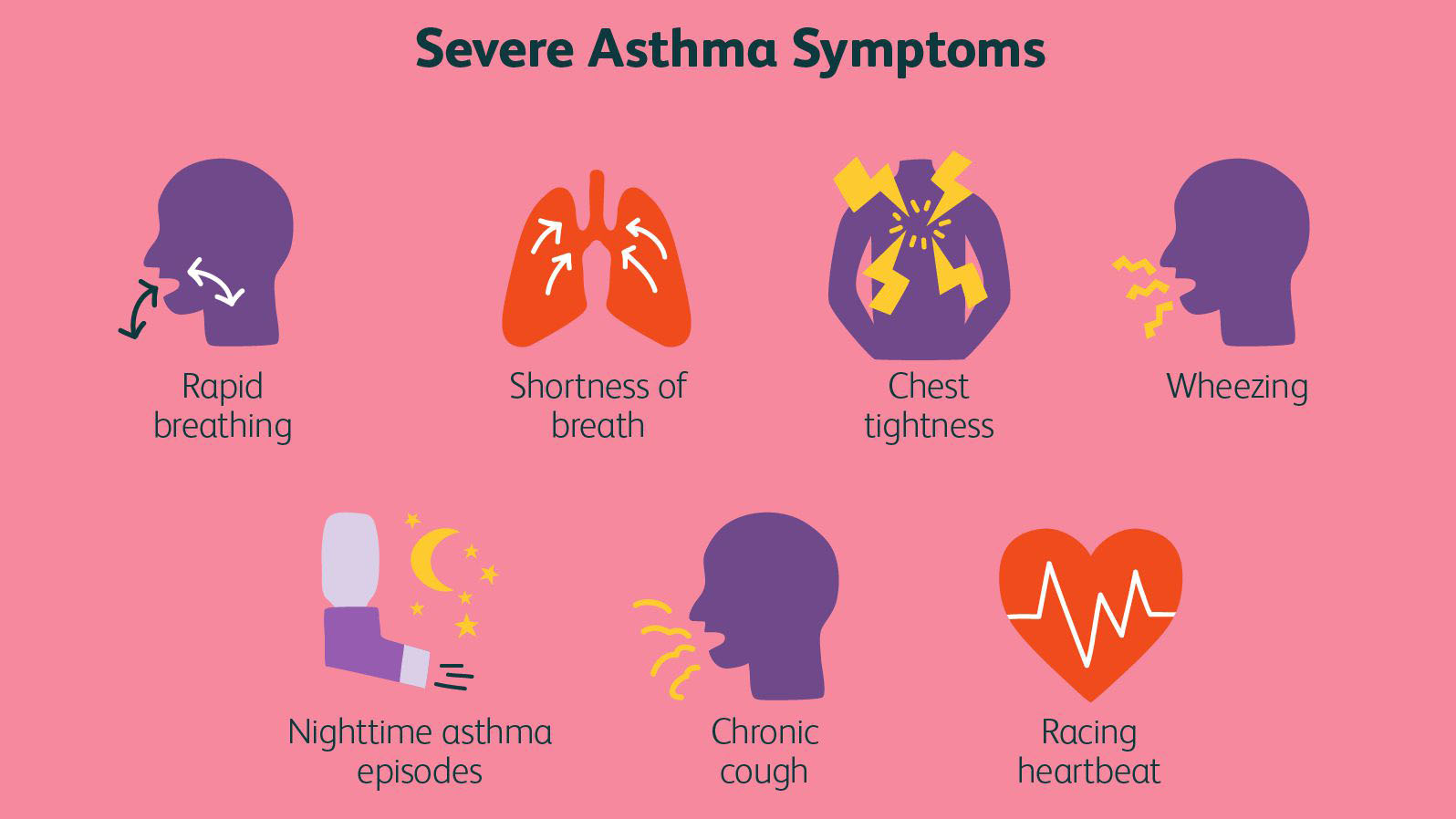
Winter is definitely at our door step and this kind of weather is a common asthma trigger.
We spoke to an Ear, Nose and Throat specialist, Dr Rudolph, who gave insights on the relationship between winter and asthma. “Absolutely, wintertime can be a potentially dangerous time of the ear for many people with asthma.When someone with asthma breathes in cold, dry air, it can make the muscles inside start to spasm, while also trying to keep airways open. This further irritates the lining of the airways and causes coughing, wheezing and shortness of breath,” he said.
According to the doctor, cold air can trigger asthma symptoms and flare-ups, especially when there is dryness in cold air. For many people with asthma, it is the dryness in cold air that can lead to breathing problems. Cold air accompanied by windy conditions can also trigger symptoms. In fact, the more severe your asthma is, the more likely cold air is to affect you.
“To understand your triggers, picture your bronchial tubes, the airways that carry air to your lungs, as branches on a tree. A person with asthma has a certain amount of inflammation in these airways all the time. Inflammation causes them to narrow and makes it harder for air to get to the lungs. This is why people with asthma have a harder time breathing even if they’re not having a flare-up, added the doctor.
What are tips to control asthma during winter?
- Keep an eye on weather forecasts when planning exercise or other outdoor activities. If it’s going to be very cold, try to move your workouts indoors where it’s warmer.
- Cover your nose and mouth with a scarf or mask when you do go outside. This will warm the air you breathe in before it enters your lungs so that it’s less likely to trigger your asthma.
- Take your asthma medicines just as directed. Keep your quick-relief inhaler with you at all times. Consider using it 20 to 30 minutes before participating in any cold-air activities. Use it right away if your symptoms flare.
- Keep warm. For individuals with asthma, winter isn’t the time to leave home underdressed. Keeping yourself warm helps reduce your risk of asthma flares. It’s wise to bundle up based on outside temperatures.
- Avoid mouth breathing. Some people breathe through their mouths out of habit. However, if you have asthma, it’s important that you breathe through your nose when the temperatures are cold outside. Breathing through your mouth during cold weather allows the cold air to rush into your lungs, which can trigger an asthma attack.
- Drink extra fluids in the winter. This can keep the mucus in your lungs thinner and, therefore, easier for your body to remove.
“One of the most important ways you can avoid an asthma attack is by taking the medicine prescribed by your doctor,” says Dr Rudolph. “If you find yourself having more frequent flares, schedule an appointment with a doctor so that, together, you can make a plan to better control asthma in cold weather.”
Winter is definitely at our door step and this kind of weather is a common asthma trigger.