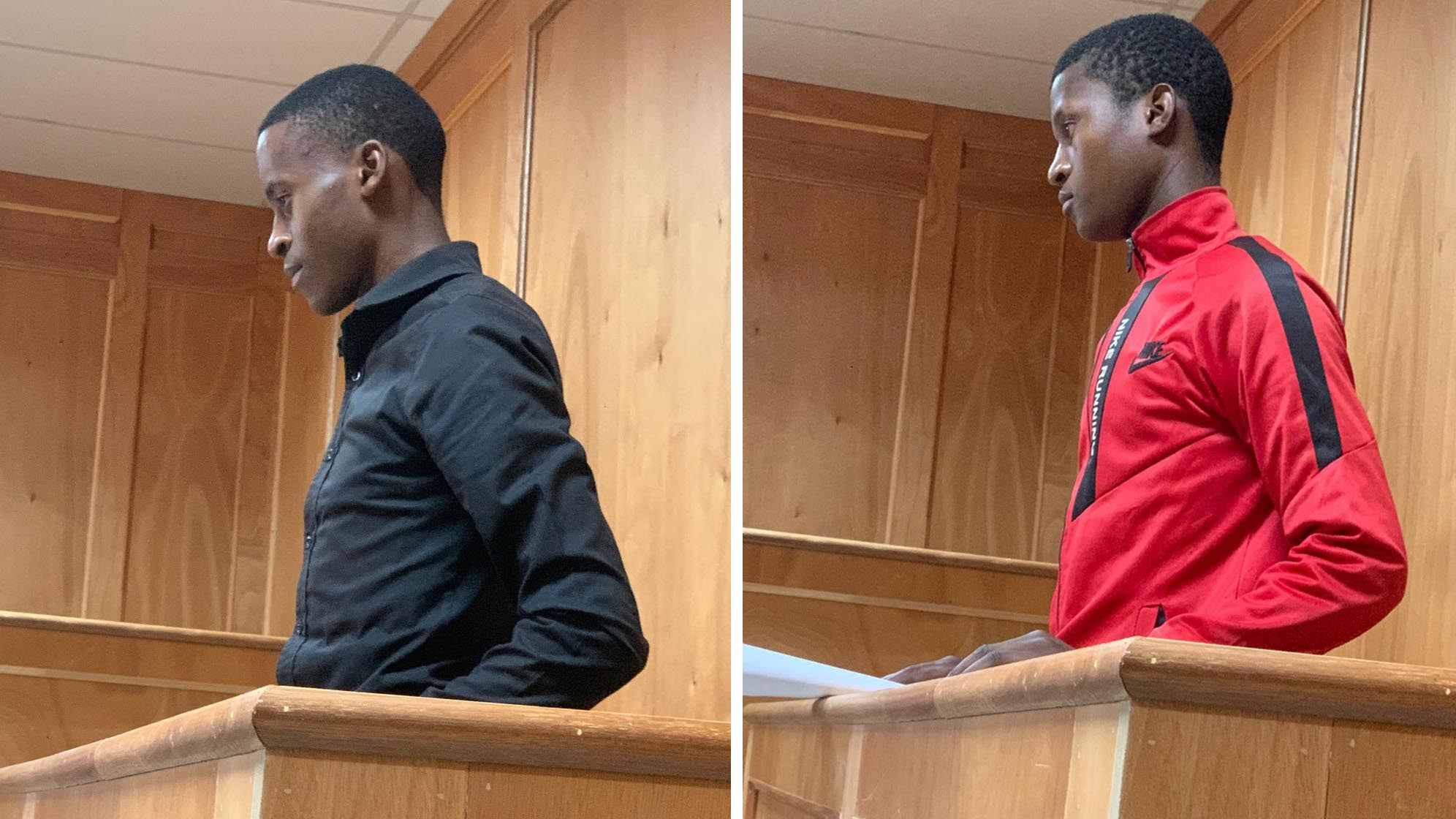
MBABANE – Two men convicted of statutory rape have each been sentenced to 12 years imprisonment, wholly suspended for 10 years, in a ruling that is likely to intensify the debate around sentencing in sexual offences involving minors.
The sentences were imposed by Siteki Principal Magistrate Musa Nxumalo, the same judicial officer whose earlier decision to wholly suspend a 12-year rape sentence is currently under review before the High Court.
In the latest matters, the two 20-year-old accused persons pleaded guilty to contravening Section 3(9)(b) of the Sexual Offences and Domestic Violence (SODV) Act of 2018 after engaging in sexual intercourse with underage girls in separate incidents in the Lubombo Region.
The law provides that where rape is committed under aggravating circumstances and the survivor is between 10 and 18 years old, an offender may face up to 25 years imprisonment for a first offence and up to 35 years for a repeat offence. The same legal provisions further states that such sentences may not be suspended or postponed in cases involving aggravating circumstances.
The court suspended both custodial sentences on condition that the accused do not commit similar offences during the next 10 years. During sentencing, Magistrate Nxumalo stated that imprisoning the two young men would destroy their futures as both were still pursuing studies.
“If I take you to jail, your whole life will be ruined,” the magistrate reportedly told the accused persons.
Court records show that in the first matter, Siphosethu Nkalanga (20) admitted to engaging in sexual intercourse with a 14-year-old girl at Mpaka in March 2026. The Crown highlighted aggravating factors, including the complainant’s age and the failure to use protection, exposing the child to possible sexually transmitted infections.
His attorney submitted that the relationship had been romantic in nature and that the accused was still in school and unemployed.
In the second matter, Khayalethu Mavimbela (20) pleaded guilty after engaging in sexual intercourse with a 16-year-old girl at Mdumezulu in January 2026. The court heard that the complainant had visited the accused’s homestead before the sexual encounter occurred.
The accused informed the court that he was studying a security guard course and had no dependents.
The latest rulings come barely months after another decision from the same court involving a 33-year-old security guard convicted of raping a 14-year-old child. In that matter, the accused was sentenced to 12 years imprisonment, which was wholly suspended.
The court partly justified the suspension on the basis that the offender needed to support the unborn child conceived during the unlawful relationship.
That decision triggered widespread debate and eventually prompted the prosecution to approach the High Court seeking to have the sentence set aside and replaced with a direct custodial term.
The Crown argued that the sentence was unlawful because Section 185 bis of the Criminal Procedure and Evidence Act expressly prohibits suspension of sentences in rape matters involving aggravating circumstances.
According to court papers filed before the High Court, the prosecution argued that the Siteki Magistrates Court had misdirected itself by imposing a wholly suspended sentence despite the mandatory sentencing provisions contained in the SODV Act and Criminal Procedure and Evidence Act.
The prosecution further relied on previous decisions of the superior courts, including Sandile Shabangu v The King and Mgubane Magagula v Rex, where the courts held that sentences in rape matters involving aggravating circumstances should not be suspended.
The Crown also argued that courts must prioritise the seriousness of the offence and the interests of society, particularly in light of the prevalence of sexual offences against minors.
The earlier ruling involving the security guard caused further controversy after the convict reportedly absconded following the sentence. The matter has since escalated to the High Court, where a warrant of arrest was issued after he allegedly failed to appear as required.
The Judiciary later confirmed that the sentence had been placed under review following growing public concern over the legality of wholly suspended sentences in rape cases involving minors.
In many countries, rape is treated as a serious violent crime that usually results in immediate imprisonment.
However, courts in some jurisdictions do have discretion to suspend sentences, especially where offenders are first-time offenders, young, or where mitigating circumstances are considered strong. In legal systems such as the United Kingdom and parts of Europe, suspended sentences may be imposed when a judge believes rehabilitation in the community is possible and the offender does not pose an immediate risk to society.
Legal sentencing guidelines in jurisdictions that allow suspended sentences generally require courts to first decide whether the offence is serious enough to justify prison time, and then assess whether that prison term can be suspended.
Even then, suspended sentences typically come with strict conditions, such as supervision, behavioural restrictions and the risk of immediate imprisonment if the offender reoffends or violates conditions.
*Full article available on Pressreader*
Siphosethu Nkalanga who was convicted. (R) Khayalethu Mavimbela who was also convicted. (Pics: Mukelo Magagula)