GEGE – Eswatini has taken a significant step towards meeting global water access targets, commissioning a rural potable water scheme while unveiling a multimillion Emalangeni investment plan aligned with international development frameworks.
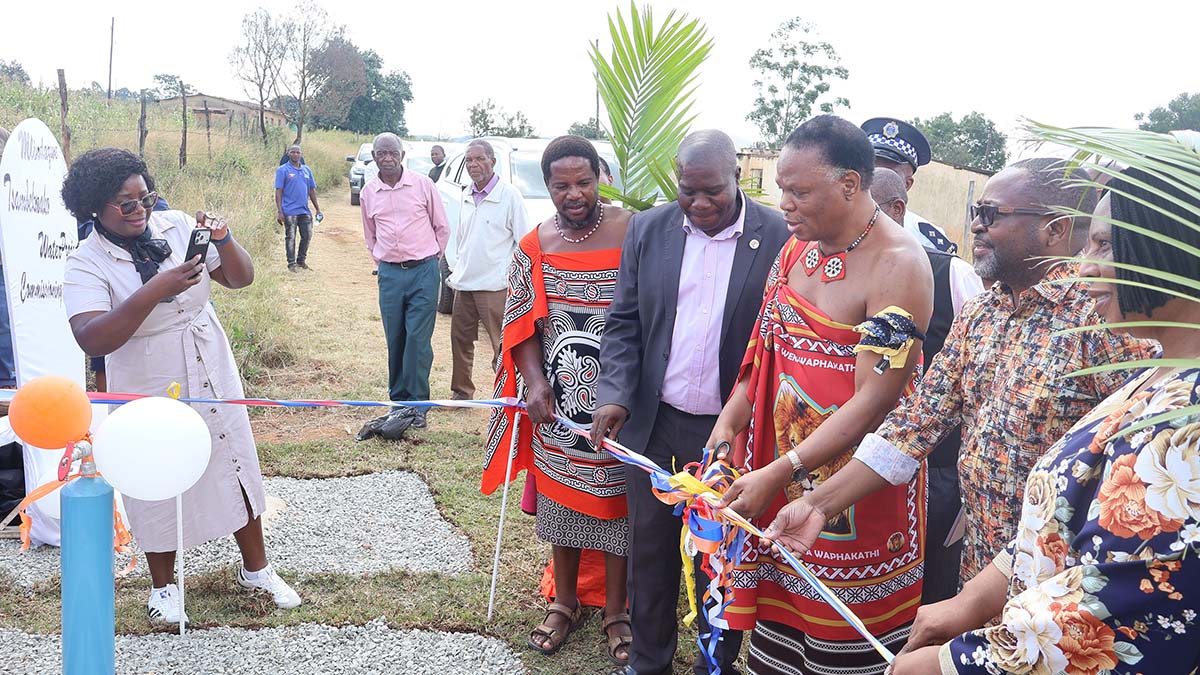
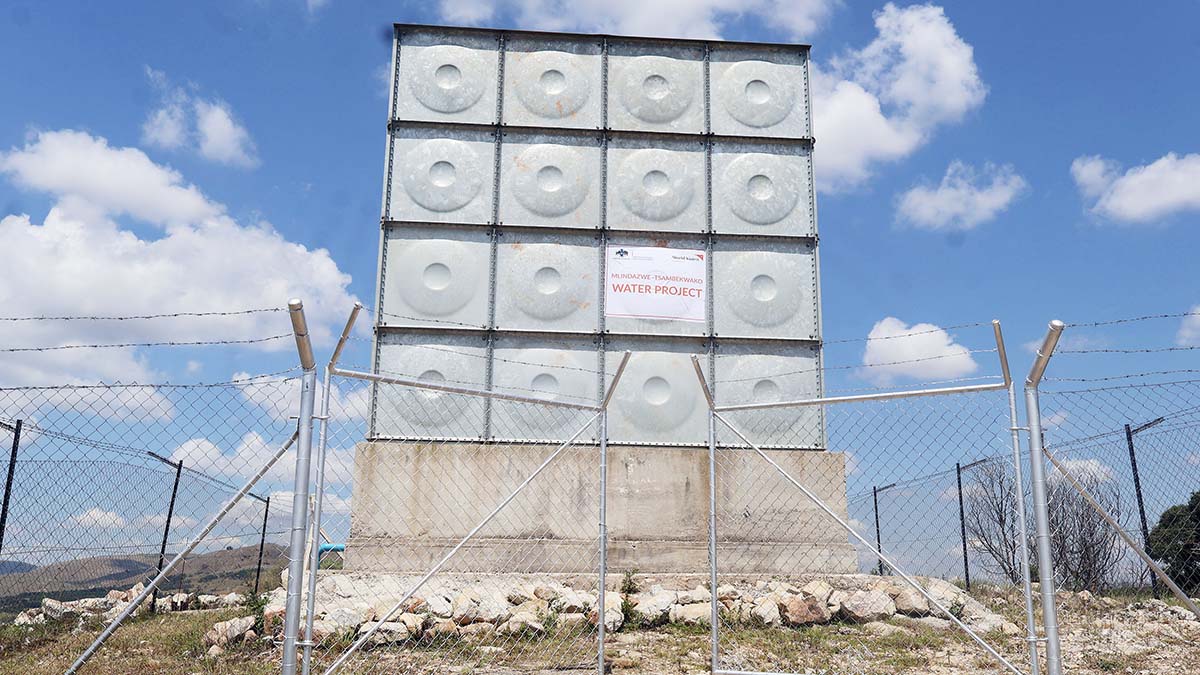
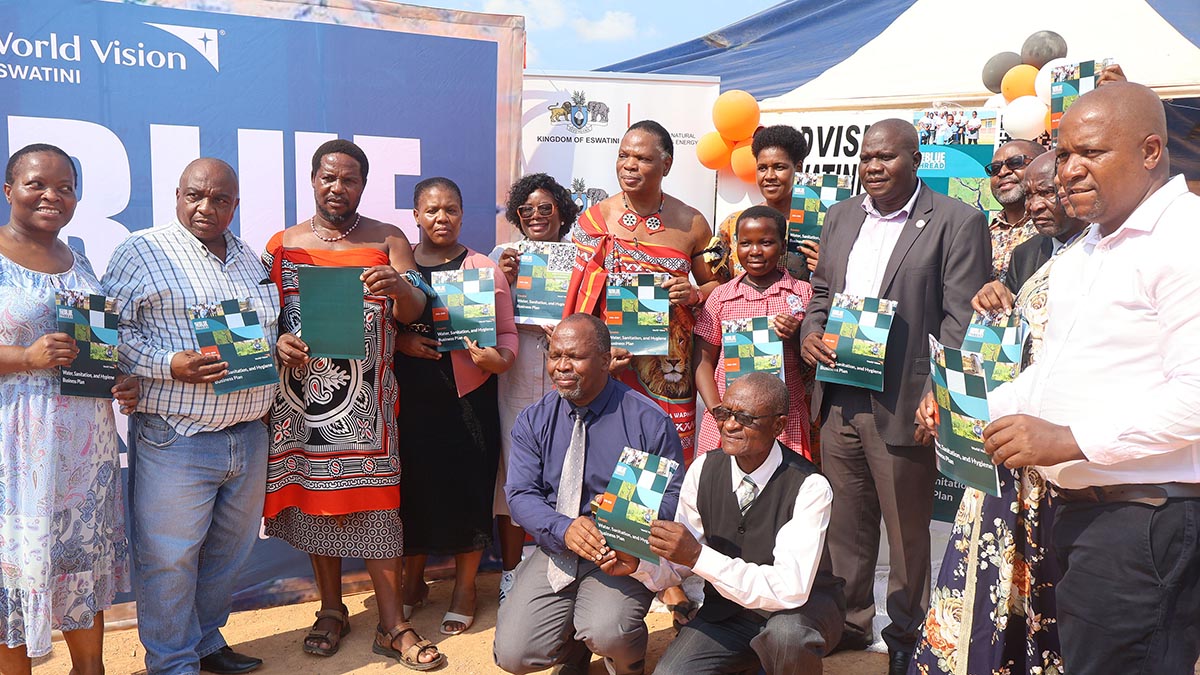
Minister for Natural Resources and Energy, Prince Lonkhokhela, officially launched the Mlindazwe-Tsambekwako Water Supply Scheme alongside the World Vision Eswatini 2026–2030 WASH Business Plan, dubbed Mapping the Blue Thread. The plan is expected to mobilise up to E400 million (US$23.78 million) towards water, sanitation and hygiene (WASH) interventions over five years.
The initiative directly advances United Nations Sustainable Development Goal 6, which calls for universal access to safe water and sanitation by 2030. It also aligns with the African Union Agenda 2063, which prioritises equitable access to basic services, including water security.
Prince Lonkhokhela’s efforts resonate with continental momentum under the AU’s 2026 Theme of the Year on water and sanitation, adopted at the AU Assembly in Addis Ababa. The initiative is guided by the Africa Water Vision 2063 and Policy, the AU’s overarching protocol framework promoting integrated water resource management and cross-border cooperation.
Addressing stakeholders, Prince Lonkhokhela said the project responds to a national directive to ensure that no citizen travels more than two kilometres to access clean water.
“This infrastructure will restore dignity and improve health outcomes, particularly in rural communities,” he said.
The newly commissioned scheme will supply clean water to hundreds of households, while the broader Blue Thread strategy targets over 329 000 people across 18 constituencies.
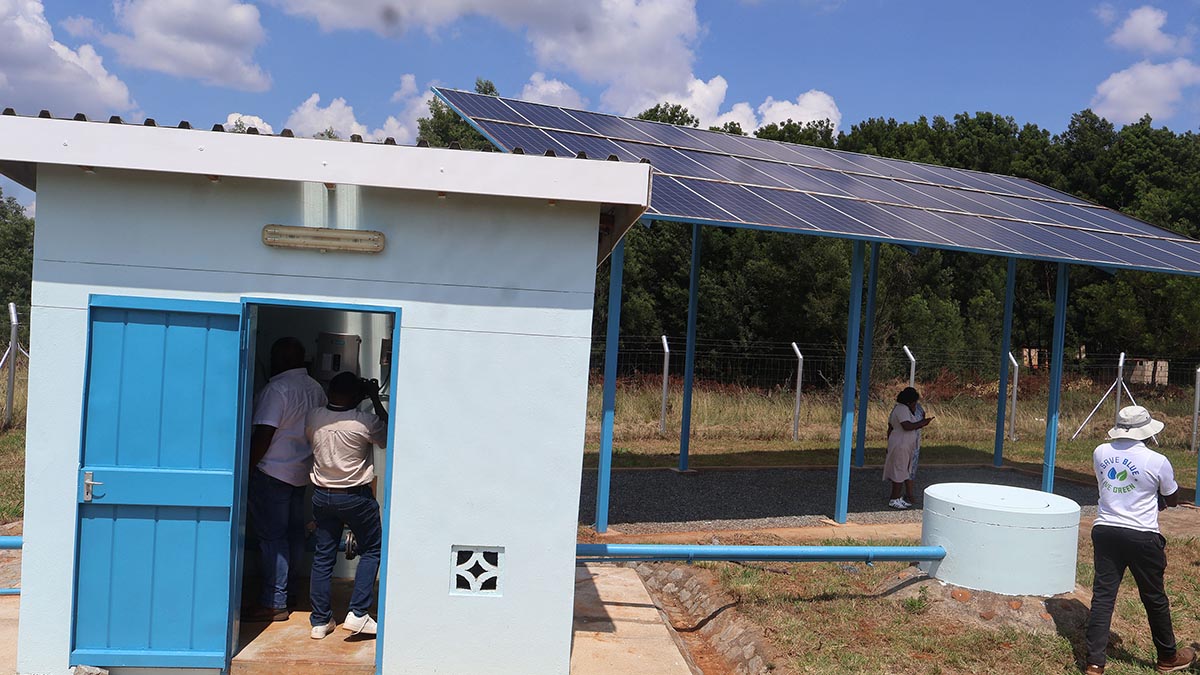
The programme places strong emphasis on sustainability, incorporating community-managed systems and climate-resilient infrastructure, including solar-powered water schemes.
The event was held in Gege, a rural constituency in the Shiselweni Region of Eswatini. It is in the country’s south-western lowveld near the border with South Africa. It lies approximately 25 kilometres from Nhlangano, the region’s main administrative and commercial centre.
The area is characterised by widespread rural poverty, with many households relying on subsistence farming and limited income sources. Access to basic services remains uneven and communities have historically depended on distant or unsafe water sources for daily needs.
World Vision Eswatini National Director Amos W Zaindi emphasised the developmental impact of water access, noting its link to education, gender equality and economic participation. The plan is designed to reduce the disproportionate burden on women and girls, in line with global gender equity frameworks championed by the United Nations (UN).
The project also reflects principles embedded in international WASH protocols, including integrated water resource management and community ownership, which are widely promoted by both UN agencies and AU policy instruments.
Officials highlighted climate change as an ongoing risk, citing declining rainfall and groundwater levels. As such, future investments will prioritise climate-proofing infrastructure to ensure long-term resilience.
With over 639.16 million (US$ 38 million) invested in Eswatini’s water sector over three decades, it is said the latest initiative demonstrates how coordinated national and international efforts can accelerate progress towards universal water access.