Madam,
I write this letter with deep pain and disappointment after listening to the discussions by Members of Parliament at the women empowerment gathering held at Ezulwini Palazzo. As ordinary emaSwati women who continue to struggle daily, it hurts to hear leaders celebrate progress that many women on the ground are not experiencing.
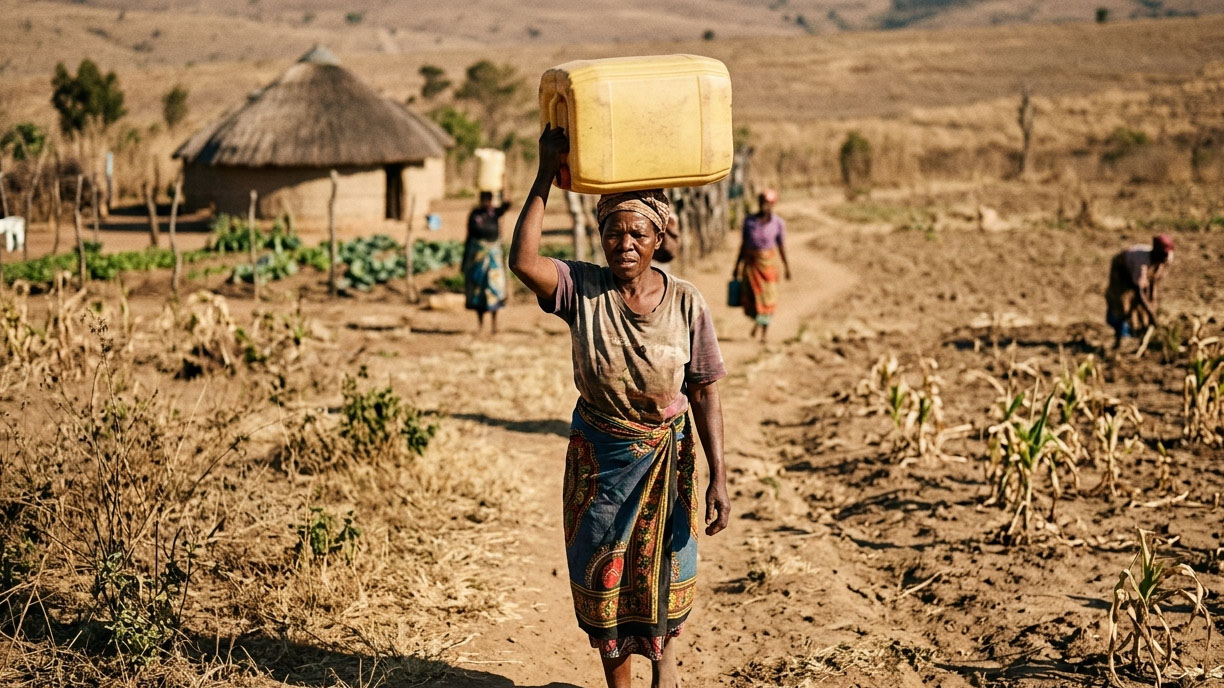
During the discussions, it was stated that 5 000 women were benefitting from irrigation schemes. However, one painful question remains unanswered: Where are these women? In many rural communities, women continue to walk long distances carrying water buckets on their heads while crops dry in the fields because they have no proper irrigation support. Many women-led farming projects have collapsed because of a lack of water, expensive inputs and poor government support.
It is heartbreaking that leaders continue presenting numbers and statistics while rural women continue living in poverty and hopelessness. Women are tired of speeches. Women are tired of conferences held in expensive hotels while mothers in the villages are struggling to feed their children.
If indeed thousands of women are benetfiting, government must produce transparency and accountability. Communities deserve to know who these beneficiaries are and how they were selected. Many women who genuinely need empowerment opportunities continue to be excluded while politically connected individuals benefit repeatedly from programmes meant for the poor.
Another painful issue is that women in Eswatini are still forced to pay for services and benefits that women in other countries receive freely as part of social protection and empowerment programmes. It is unfair that poor women must pay fees to access opportunities that are supposed to uplift them.
True empowerment cannot exist where women are expected to pay for every service while unemployment and poverty continue increasing. How does government expect struggling widows, unemployed graduates and single mothers to afford these programmes? Empowerment should not become a business where only those with money can benefit.
What hurts most is that government continues to promote farming systems heavily dependent on chemicals and commercial inputs while ignoring indigenous farming knowledge and agroecology practices that rural women have used for generations.
For years, our grandmothers farmed using traditional methods that protected the soil, conserved water and preserved seeds. They understood the environment and worked together with nature. Today, farmers are encouraged to depend on expensive fertilisers, pesticides and hybrid seeds controlled by commercial companies.
As a result, many small-scale farmers are trapped in debt because they cannot afford costly farming inputs every season. Others abandon farming completely because the costs are too high. Government continues speaking about food security, yet it ignores sustainable farming methods that ordinary people can actually afford. Agroecology is not backward farming as some people want us to believe.
It is a farming system rooted in protecting the environment, preserving indigenous seeds, improving soil fertility naturally and reducing dependence on harmful chemicals.
Climate change is already destroying lives in Eswatini. Communities are experiencing severe winds, droughts, floods and destructive storms. Yet government continues supporting farming methods that damage the soil and environment even further.
Chemical-intensive farming contributes to environmental destruction, water pollution and soil degradation. Over time, the land loses fertility and becomes unable to withstand droughts and heavy rains. Poor farmers suffer the consequences while large companies continue making profits. Women in rural communities are the first victims of climate change. When crops fail, it is women who go to bed hungry so children can eat. When rivers dry up, it is women who walk longer distances searching for water. When storms destroy homes, it is women who struggle to rebuild families emotionally and financially.
Despite carrying the heaviest burden, women’s voices are often ignored when policies are made. Real empowerment means listening to women on the ground, not only those invited to conferences and workshops.
It means investing in sustainable community irrigation systems accessible to ordinary farmers. It means supporting agroecology and indigenous farming knowledge instead of making farmers dependent on chemicals and imported seeds. Real empowerment means protecting women from poverty, hunger and climate disasters. Government must stop treating women’s empowerment as a political slogan used during events and speeches. Women need practical support, transparency and inclusion.
Young women are losing hope. Rural mothers are exhausted. Communities are becoming more vulnerable to climate shocks every year. As a country, we cannot continue celebrating empowerment while many women remain trapped in poverty and exclusion. It is time for honest conversations. Leaders must stop exaggerating achievements while ordinary women continue suffering silently in rural communities.
Women do not need empty promises. Women need dignity, land access, water, affordable farming support and policies that genuinely improve their lives. Until then, conferences and speeches will remain meaningless to the struggling woman at Ngculwini, Sinceni, Ludzeludze and many other forgotten communities across Eswatini.
t is heartbreaking that leaders continue presenting numbers and statistics while rural women continue living in poverty and hopelessness.