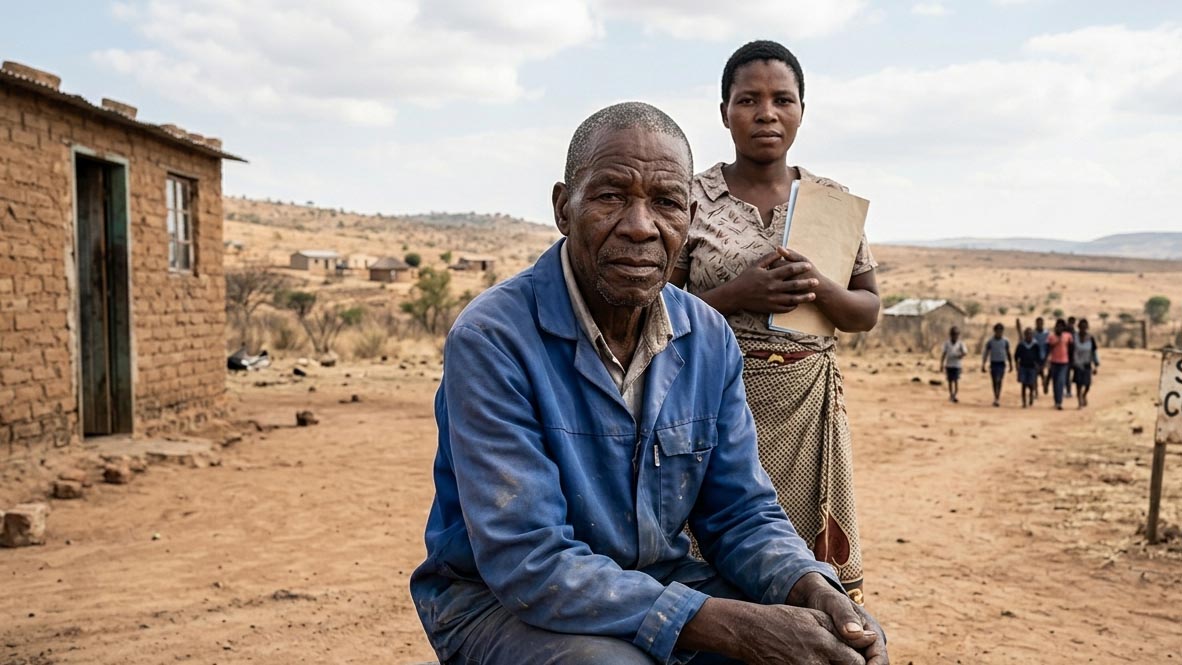
There is no doubt that traditional leaders occupy an important place in Eswatini’s social and cultural fabric. Chiefs are custodians of Swati custom, mediators in community disputes and symbols of authority at the grassroots level.
Their role deserves respect. However, respect alone cannot justify turning government-funded housing for chiefs into a national priority at a time when ordinary emaSwati are battling a worsening cost of living crisis, unemployment and deteriorating public services.
Just on Saturday, there was a published report on a parliamentary proposal by Ngudzeni MP Charles Ndlovu, calling on government to build decent three-bedroom houses for chiefs who are allegedly living in poor conditions.
The legislator argued that many chiefs are struggling and that housing support would restore ‘dignity’ within the institution of chieftaincy.
The proposal may come from a sincere place. Nobody can deny that some chiefs may indeed be facing financial hardships.
However, sincerity does not automatically make something wise, especially when a nation is grappling with far more urgent crises that directly affect the survival and dignity of ordinary citizens.
One must ask: Is housing for chiefs truly among the most pressing matters facing Eswatini today?
At a time when young graduates roam the streets without jobs, clinics struggle with shortages, schools remain under-resourced and vulnerable families continue relying on food aid, it feels disconnected from reality to suggest that government should now prioritise building houses for traditional leaders.
The painful truth is that thousands of ordinary citizens have far less security than chiefs do. Many families live in collapsing homes vulnerable to heavy rains and extreme weather.
Earlier reports highlighted homes collapsing due to severe rains across the country. Others live in informal settlements with poor sanitation and growing crime concerns. There are communities where children walk unreasonable distances to school because of poor planning and underdevelopment in rural areas. These are not abstract policy debates. These are daily realities.
Government already struggles to adequately provide healthcare in public facilities. Patients continue enduring delays in receiving specialised treatment. The education sector also continues facing structural challenges, particularly in rural communities where access to quality education remains unequal.
If public resources are available, surely, they should first go towards improving hospitals, equipping schools, supporting struggling farmers, empowering youth entrepreneurs and strengthening social welfare systems for the elderly and vulnerable.
Ironically, even the article itself acknowledges that government housing programmes are currently targeted at vulnerable citizens through the Deputy Prime Minister’s Office.
That is exactly how it should remain. In a country with limited resources, priority must always be given to those with the greatest need, not those with the greatest symbolic importance.
There is also a dangerous political message hidden within this proposal.
It risks creating the perception that leadership positions automatically entitle individuals to State-funded comfort while the broader population continues suffering.
That perception can deepen frustration among citizens who already feel abandoned by economic progress. The institution of chieftaincy should not be reduced to material dependence on government handouts. True dignity for chiefs should come from empowering communities, ensuring development reaches rural areas and strengthening the capacity of local governance structures. A respected chief does not necessarily need a government-built three-bedroom house to command dignity. Respect is earned through leadership, fairness and service to the people.
Moreover, one cannot ignore the broader housing crisis facing the country.
The mandate of the Eswatini Housing Board is to provide affordable housing solutions for emaSwati, especially low and middle-income earners. Yet, thousands still struggle to own homes or access decent accommodation. In that context, creating a special category of State-funded housing for chiefs appears not only untimely, but also deeply insensitive to the wider national struggle.
This does not mean chiefs should be ignored entirely. Where a chief is genuinely vulnerable, elderly or living in unacceptable conditions, support mechanisms can be explored within existing welfare frameworks.
Turning chiefs’ housing into a parliamentary priority risks sounding tone-deaf in a country where poverty continues to bite hard.
Leadership is ultimately about understanding the mood and needs of the people. Right now, the ordinary citizen is not asking for government-funded homes for traditional leaders. Citizens are asking for jobs. They are asking for functioning healthcare. They are asking for economic opportunities, better roads, quality education and relief from poverty.
Those are the fires government must extinguish first. Housing for chiefs may be a conversation for another day. However, that day is certainly not now.
There is no doubt that traditional leaders occupy an important place in Eswatini’s social and cultural fabric. Chiefs are custodians of Swati custom, mediators in community disputes and symbols of authority at the grassroots level.