copy.jpg)
Eswatini’s aquaculture industry is showing encouraging signs of commercial growth as fish farmers across the country begin harvesting strong yields from their ponds following a five-month production cycle supported by the Taiwan Technical Mission (TTM) and the Ministry of Agriculture.
Several farmers have already completed successful harvests, highlighting the growing potential of aquaculture as a source of food security, nutrition and income generation.
- In March 2026, Charlies Hlatshwayo from the Hhohho Region harvested approximately 103 kilogrammes of fish, becoming one of the first farmers to harvest this season.
- During April, Happiness harvested 35 kilogrammes
- Norman Mavuso from Hhohho recorded 46 kilogrammes.
- Faith Dlamini from the Shiselweni Region also joined the list of successful farmers after harvesting 42 kilogrammes of fish.
Fish farming becoming a profitable venture
The successful harvests reflect noteworthy progress for farmers, many of whom continue to embrace aquaculture as a reliable source of income, nutrition and food security. The sector is gradually shifting towards commercial aquaculture production, with locally farmed fish currently selling at E70 per kilogramme.
Farmers were primarily cultivating hybrid tilapia, a fast-growing species that reaches harvesting size within about five months, making it highly suitable for commercial aquaculture production cycles. As more farmers improve their production methods and increase output, fish farming is steadily becoming a profitable agricultural business in the country.
Technical training improving farmer capacity
The successful harvests also demonstrate increasing technical capacity among local producers. After multiple production cycles and years of specialised training, many farmers are now capable of independently managing pond operations with minimal supervision.
Training provided by the Taiwan Technical Mission (TTM) and the Ministry of Agriculture has focused on key production areas such as pond management, feeding systems, water quality monitoring, oxygen management, fish disease prevention and growth assessment.
Aquaculture expert Liu also assisted farmers during the harvesting process and with transporting the fish to the Aquaculture Centre, where the fish underwent cleaning, processing and vacuum packaging to improve shelf life, maintain quality and increase market value.
Expanding markets for local fish
The mission further supported farmers by helping them access markets and connect with potential buyers. Through the support of the TTM and the Ministry of Agriculture, the fish were sold to individuals, local communities and restaurants, creating a dependable market for farmers’ produce and encouraging growth within the local aquaculture industry.
Among the businesses supporting the initiative are Hua Li Restaurant and Fu Hua Restaurant, both of which praised the freshness and quality of locally produced fish. Representatives from the restaurants said customer demand continues to grow as more consumers appreciate the taste and freshness of local aquaculture products.
Farmers also expressed gratitude for the continued support provided by the TTM and the Ministry of Agriculture, saying the technical guidance, training and marketing assistance have significantly improved their knowledge, confidence and production capacity.
Youth training building the future of aquaculture
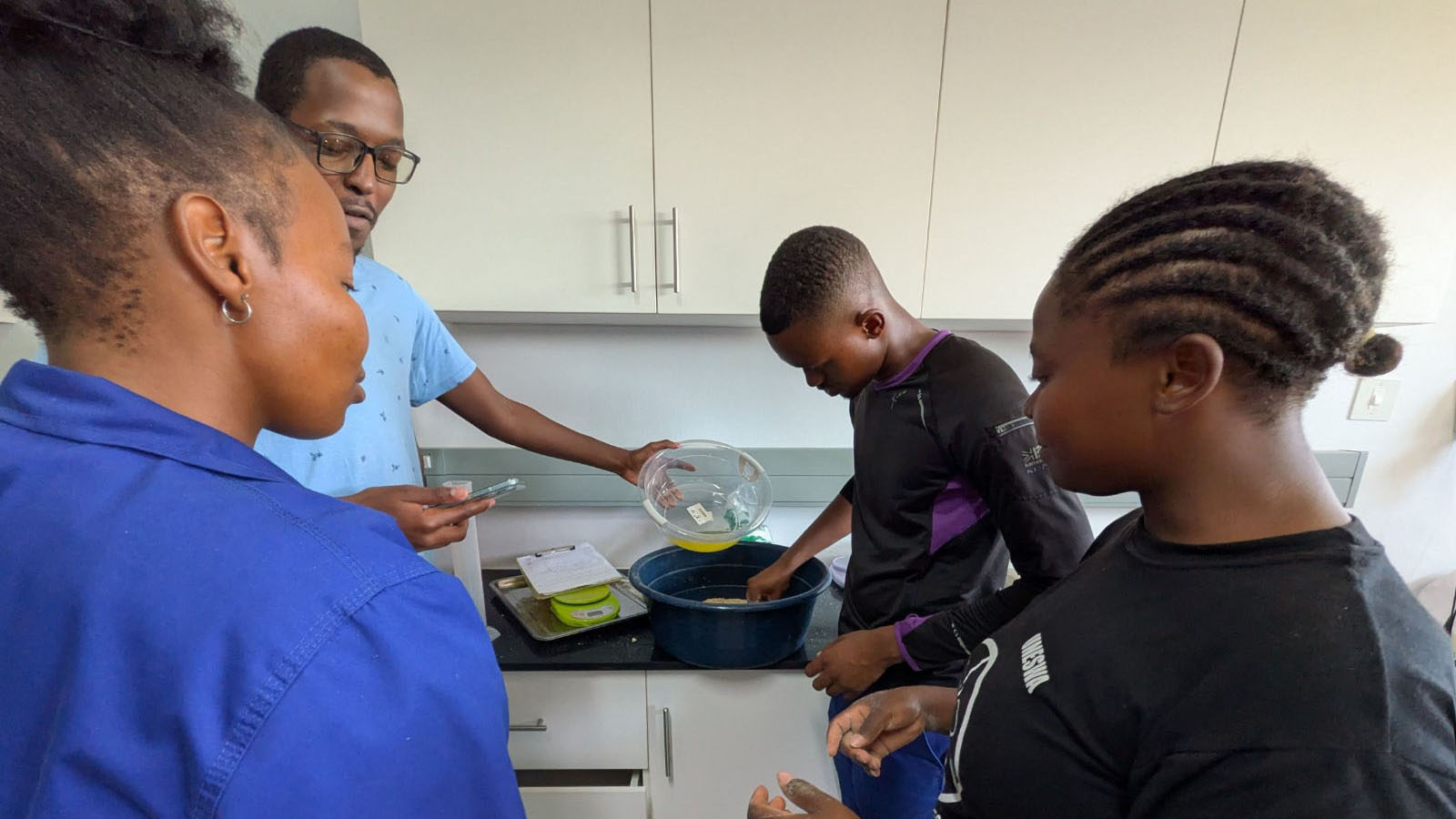
The success of the aquaculture programme has also extended to youth development and skills training. Students from the University of Eswatini, Luyengo Campus, recently completed a three-month internship programme at the Aquaculture Centre, where they acquired extensive theoretical and practical knowledge in aquaculture production.
Throughout the internship, students received training in fishpond design and construction, water quality management, hatchery management, fish disease treatment and sustainable aquaculture techniques. They also gained hands-on experience in fish harvesting, packaging, feed preparation and fish transportation.
The integration of farmer support, youth training and market development continues to position aquaculture as one of Eswatini’s emerging agricultural growth sectors, with the potential to generate sustainable livelihoods, employment opportunities and long-term economic growth.