

EZULWINI – Taiwanese businesses have invested over US$100 million (approximately E1.85 billion) in Eswatini, creating around 13 000 jobs across key industries.
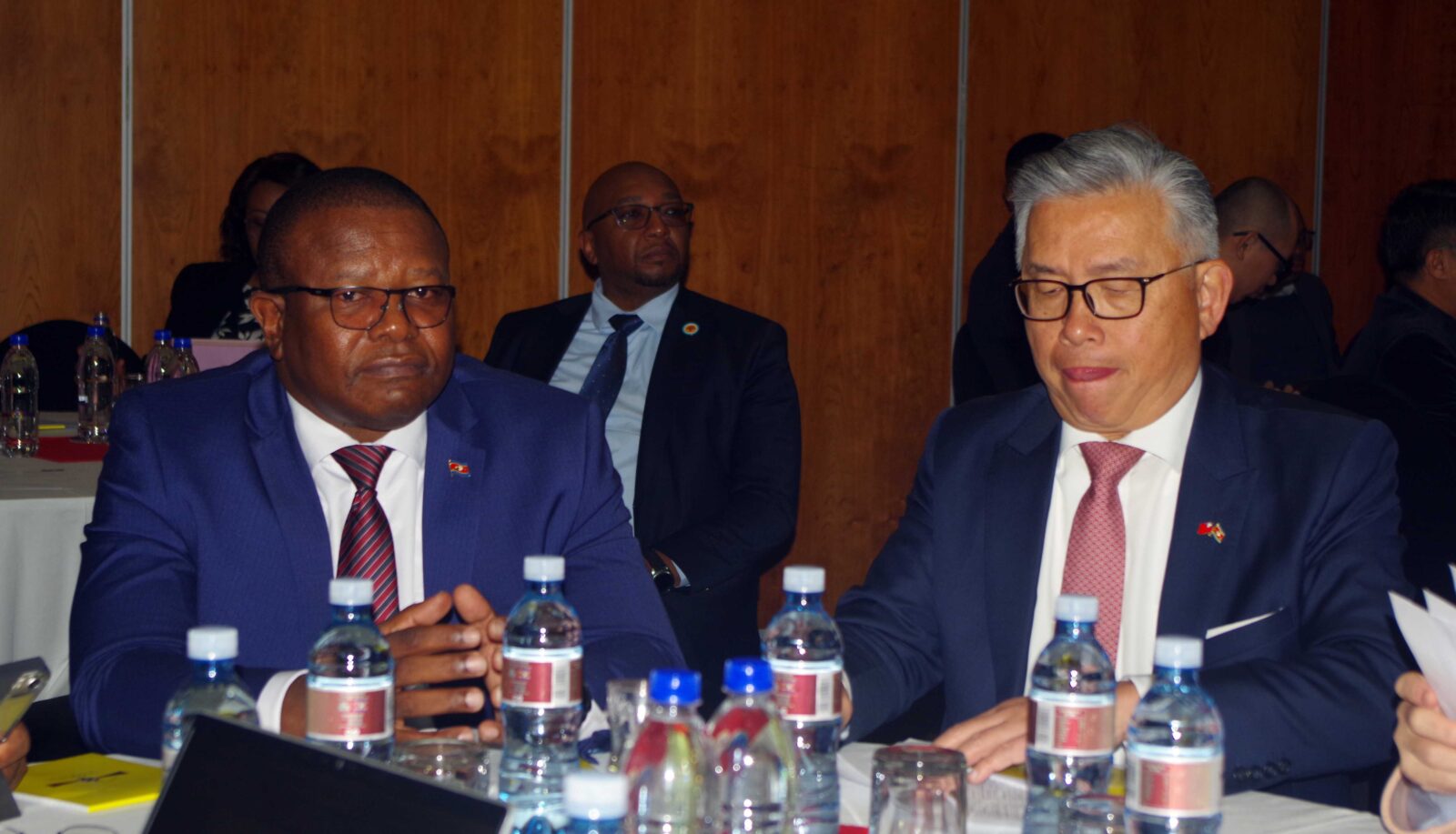
This contribution was revealed by the Ambassador of the Republic of China (Taiwan) to Eswatini, Jeremy Liang, during the Taiwan–Eswatini Investment Workshop held yesterday at the Royal Villas in Ezulwini.
Ambassador Liang stated that 21 Taiwanese companies are currently operating in Eswatini in sectors such as textile and garments, carton manufacturing and plastics. He emphasised that Eswatini is Taiwan’s most important diplomatic ally in Africa and serves as an ideal gateway for Taiwanese enterprises to access the continent’s emerging markets.
“Eswatini offers a favourable investment environment. Under the recent reciprocal tariff policy of the United States, Eswatini products are subject to only a 10 per cent base tariff, giving them a competitive advantage over neighbouring countries when entering the US market. This is a key factor in attracting foreign investment,” said Liang.
Beyond current investments, Ambassador Liang highlighted the expansion of bilateral cooperation into strategic projects, including the joint strategic oil reserve, which is expected to be completed within three years. He also pointed to the planned Taiwan Industrial Park at Phocweni, a 158-hectare project designed to replicate Taiwan’s successful industrial zone model in Eswatini.
“The Taiwan Industrial Park project is not just about infrastructure. It is about transferring Taiwan’s experience to upgrade local industries, create job opportunities and support the global strategies of Taiwanese enterprises, creating a win-win outcome,” he stated.
Ambassador Liang added that the visit of Minister Lin Chia-lung of Taiwan’s Ministry of Foreign Affairs earlier this year as the President’s Special Envoy resulted in key agreements with His Majesty King Mswati III. These included 5G infrastructure development, vocational training initiatives, energy and electricity sector support and enhanced labour cooperation.
“With strong and stable diplomatic ties and the full support of both governments, I am confident that Eswatini is the best gateway for Taiwanese businesses to explore the African market. Taiwan can help, Eswatini can lead,” he said, summing up the partnership by stating: “With stable diplomatic ties and the full support of both governments, we are confident that these initiatives will deliver real economic outcomes that benefit the people of Eswatini.”
Minister for Commerce, Industry and Trade, Manqoba Khumalo, described Taiwan as a vital economic partner and a key player in the global supply chain. He emphasised that Eswatini is actively working to make the country an attractive hub for Taiwanese investments.
“Our engagements with Taiwan’s public and private sectors have been robust over the years, culminating in various projects that hold mutual economic benefit. We are pleased to see those engagements now bearing fruit,” Khumalo said.
He confirmed that the proposed Taiwan Industrial Park is a flagship project, aligning with Eswatini’s upcoming investment and trade policy reforms. “The park will house various investors and is complemented by our ongoing legislative review aimed at creating a predictable and transparent business environment,” he added.
Full article available in our paper.
















Leave a comment