Madam,
Writing this letter, I am overwhelmed with emotion, my heart heavy with the weight of the countless stories I have witnessed, the whispered pleas, the silent screams and the unrelenting struggles of those who are forced to live on the fringes of our society.
The poor, the marginalised, the forgotten. They are us, yet they are treated as if they are less than us. They are our brothers and sisters, our neighbours, our friends, yet they are invisible, their humanity erased by the cruel gaze of a society that seems to have lost its moral compass.
When you are poor, people look at you with a peculiar blend of disdain and pity, as if your very existence is a personal affront to their own success. They assume that you are lazy, that you are uneducated, that you are somehow cursed.
They speak about you in hushed tones, as if you are not present, as if your feelings are not valid, as if your voice is not worth hearing. They dictate what you should do and should not do, without ever stopping to consider the crushing weight of the circumstances that have led you to this point. You are not seen as a person, with hopes and dreams, with fears and desires. You are seen as a problem, a nuisance, a burden on the system.
The poor are not lazy; they often work multiple jobs, juggle multiple responsibilities and sacrifice their own well-being for the sake of their families. They are not uneducated; they are often the ones who could not afford to go to school or who had to drop out to support their loved ones. They are not cursed; they are often the victims of circumstance, of a system that is stacked against them, of a world that seems designed to keep them in their place.
Yet, despite all this, they are treated as if they are the problem. They are stigmatised, marginalised and ostracised. They are made to feel as if they are not worthy of love, of respect or of compassion.
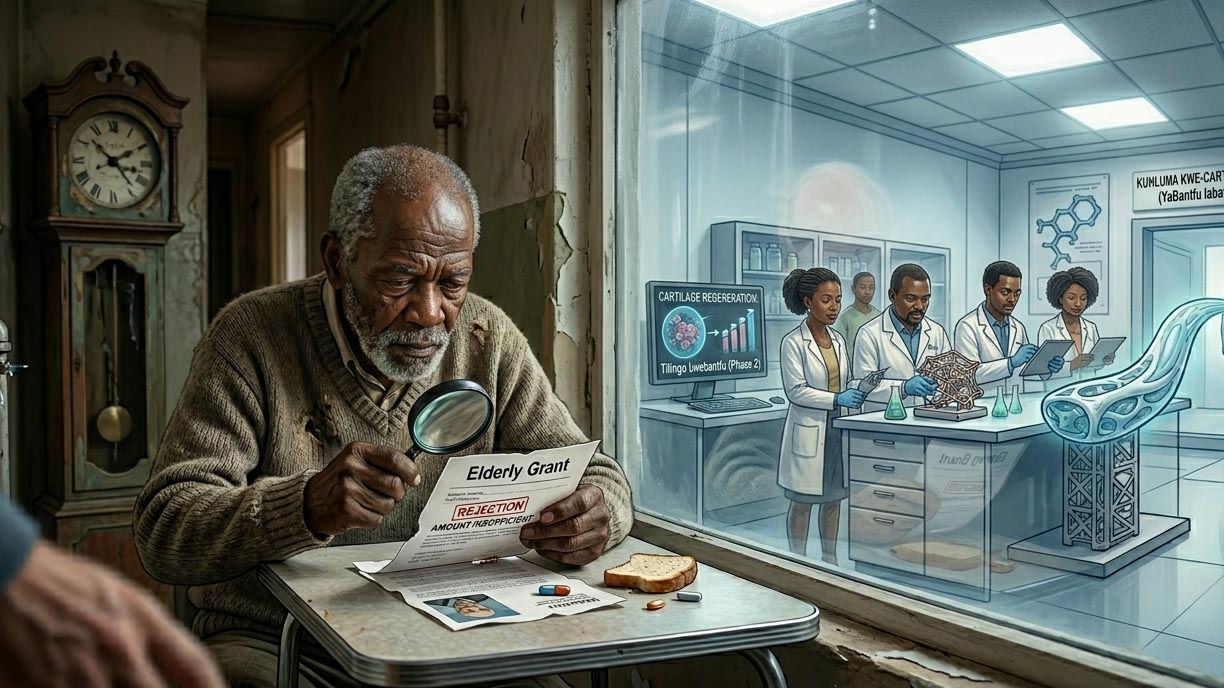
I remember the story of an elderly man who had to choose between buying food and buying his medication, because his elderly grant money was not enough to cover both.
I remember the young boy, who was forced to drop out of school because his family could not afford the fees and who is now working in a sweatshop, toiling away for pennies a day. These are not just statistics, but human beings with stories, struggles and dignity.
Yet, we are conditioned to look away, to ignore the plashes of pain, to pretend that everything is okay. We are told that poverty is a personal problem, that it is a reflection of an individual’s character, rather than a symptom of a larger disease. We are told that we cannot afford to help, that it is not our problem, that we have our own struggles to deal with.
However, I ask you, dear reader, is this not a form of violence? Is this not a form of oppression? When we treat people as if they are less than human, are we not perpetuating a cycle of poverty, of inequality and of injustice?
We need to change the way we think about poverty. We need to recognise that the poor are not the problem; they are the symptom of a larger issue. We need to address the systemic injustices, the lack of opportunities and the circumstances that perpetuate poverty.
We need to treat the poor with dignity, with respect and with compassion. We need to listen to their stories, to hear their voices and to amplify their struggles. We need to recognise that we are all human, deserving of love, of respect and of dignity, regardless of our economic status.
It is time for us to wake up, to open our eyes and see the reality of poverty. It is time for us to take action, make a change and create a society that is just, equitable and compassionate for all.
The poor, the marginalised, the forgotten. They are us, yet they are treated as if they are less than us.