Madam,
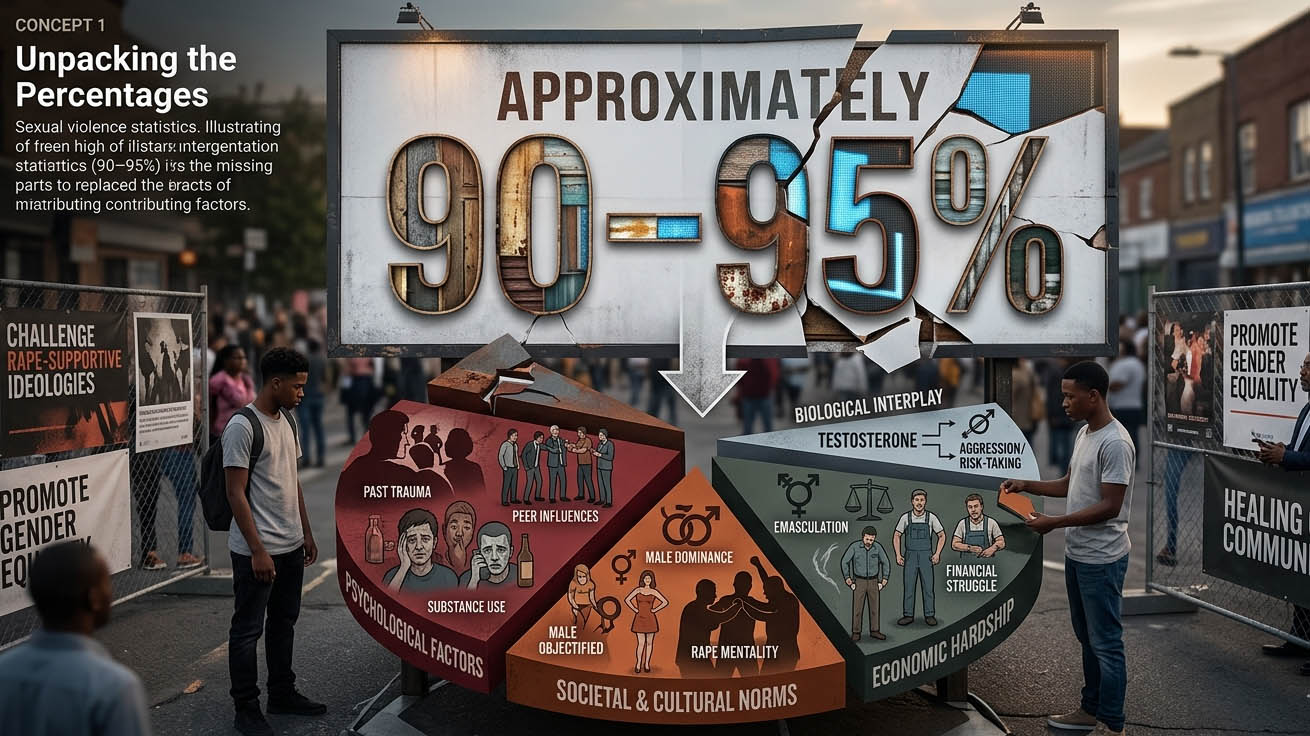
Rape and sexual violence are among the most severe forms of violence, often rooted in power imbalances, control, manipulation and deeply ingrained gender inequalities within the society as a whole. Addressing these issues requires an understanding of why such violence is perpetrated by men at such disproportionately high rates, with men being responsible for approximately 90 to 95 per cent of rape cases (or sexual violence in general) in any given population; a trend which is sadly reflected within our own communities.
In order to unpack the complex nature of sexual aggression and its pervasive impact on women and children, it is important to consider various biological, psychological, societal and economic factors that could be contributing not only to the rates of violence, but also to the extreme gender disparities we see within the statistics.
The interplay of biology and the mind
The biological basis of male aggression has been widely discussed not just in humans, but across all species, from mammals all the way down to insects. The key player involved is testosterone, often involved in aggression, dominance and risk-taking behaviours. Men with higher levels of this hormone, in some instances, makes them more prone to aggression, particularly when faced with frustration, stress or even sexual urges. However, this is a very narrow analysis and is not sufficient enough to explain the whole dilemma.
Psychologically, harmful attitudes supporting rape are significant and often stem from damaging societal or cultural norms that promote male dominance. Studies show that attitudes, peer influences and past trauma are far more predictive of male violence. For example, a study conducted in South Africa found that young men who had been physically abused as children, had multiple sexual partners or used substances were more likely to commit rape. Peer pressure, gang affiliation and rape-supportive environments – where violence is normalised and women are objectified – further increase the risk. Male entitlement, emotional detachment and belief in male sexual privilege often occurs alongside objectification of women; this is a huge issue that fosters ‘rape mentality’ where sexual violence becomes a tool for asserting power, especially when masculinity is defined by control. Economic hardship also exacerbates male violence. Men are socialised to see themselves as providers and may feel emasculated when they cannot support their families, leading to frustration, anger and, in some cases, violence.
Studies show that during economic downturns, rates of violent crime, including rape, often rise. For men already struggling with identity and control, sexual violence may become a twisted attempt to reclaim power in a world where they feel powerless.
Important to note is that not every man under stress or raised in a toxic environment becomes a perpetrator. But common warning signs – aggression, entitlement, disregard for women’s autonomy – must not be ignored. Prevention also starts early: In the home, in schools and among peer groups.
Boys must be taught that masculinity is not bout domination, but about respect, empathy and emotional resilience. To stop this violence we have to challenge rape-supportive ideologies, promote gender equality and support education (at home and at school) that fosters healthy interpersonal relationships. By doing so, there is hope not only in creating a safer nation for our women and children, but also in healing those of the male population who are prone to this violent behaviour.
Rape and sexual violence are among the most severe forms of violence, often rooted in power imbalances, control, manipulation and deeply ingrained gender inequalities within the society as a whole.