Madam,
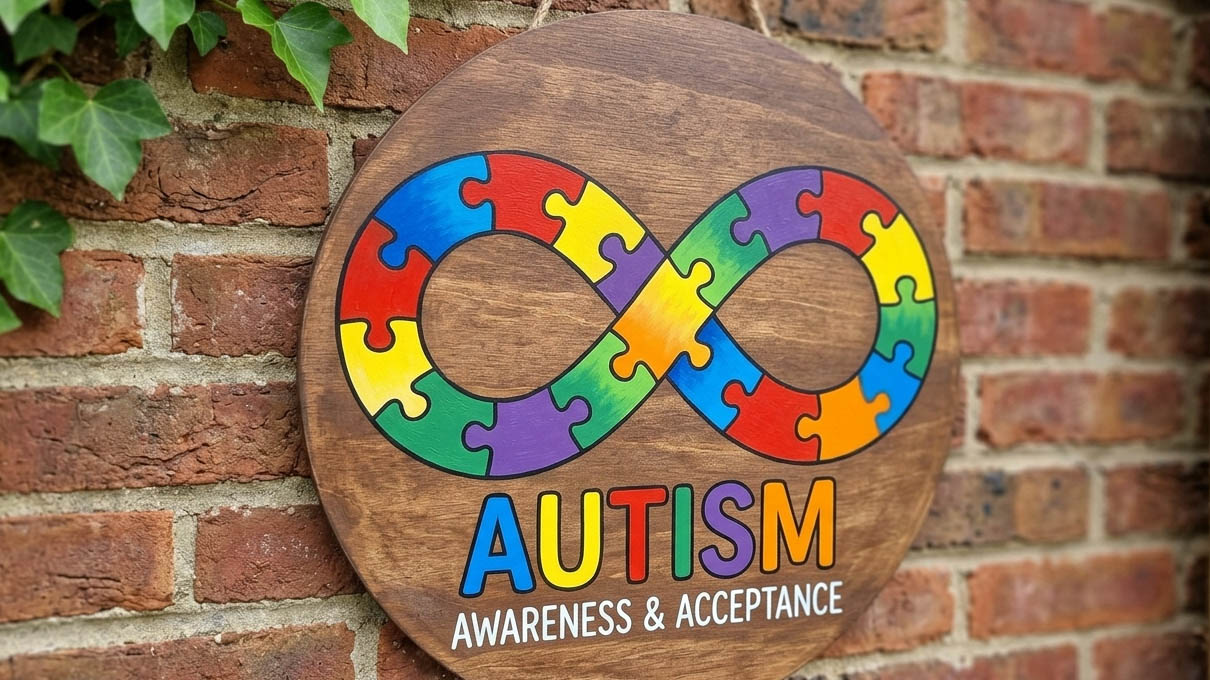
April marks World Autism Month, with April 2 specifically designated as Autism Awareness Day. However, as a mother navigating this journey, I believe we have reached a point where mere awareness is no longer enough. The challenge we face today is not that people do not know autism exists, but rather a staggering lack of understanding and genuine acceptance, particularly within the medical and political spheres.
In Eswatini, the prevalence of autism spectrum disorder (ASD) is estimated at approximately 85 per 10 000 children. Despite these numbers, our society remains gripped by a lack of financial support and delayed diagnoses. For many families, the journey is stalled by ‘spiritual’ explanations or the heavy hand of social stigma. When my son was first diagnosed, I did not know another autistic person. It can be an incredibly daunting and, at times, unbearable path to walk. To other mothers facing similar battles: You are not alone in this journey.
The ignorance surrounding neurodiversity remains a significant barrier to progress.
Research indicates that only a tiny fraction of global autism studies come from sub-Saharan Africa, meaning our local context is often overlooked. We see this in the struggle to access specialised services and the high cost of therapies that remain out of reach for the average household. Inclusion is not just a government mandate; it is a communal responsibility.
We are starting to see a shift, because more autistic individuals are entering professional fields, including medicine and sharing their lived realities. This has brought forward factual information and dispelled long-standing myths. I am personally filled with gratitude for the transformative work being done at St Phillips around Siphofaneni centre. Officially known as or the Cabrini Ministries this NGO has been a beacon of hope since 2013.
Before my son went there, the world felt very small. Since he began attending, there has been a huge, positive difference in his development. The centre, which focuses on rehabilitation, advocacy, and psychosocial support, has been at the forefront of community outreach, reaching into the Lubombo Region where poverty often intersects with disability. It is through such dedicated support that more children are being correctly diagnosed and families are being empowered to move beyond the ‘battle’ and into a space of growth.
I am encouraged by the growing number of autistic creators who are open about their lives, helping the public grasp the daily reality of the condition. We must move past the stage of simply ‘knowing’ autism exists. Even the Deputy Prime Minister’s Office recently noted during the 2025 World Autism Awareness Day that our schools and hospitals must become more conducive to those living with autism.
However, policy on paper must translate to patience in the grocery store, inclusion in the classroom and empathy in the clinic. We need a society that accepts and accommodates autistic individuals for who they are, not as puzzles to be solved, but as people to be embraced.
Today and every day, let us give our children all the love and understanding they deserve.
It is time to trade ‘awareness’ for ‘acceptance’.
April marks World Autism Month, with April 2 specifically designated as Autism Awareness Day.