Madam,
Two lives lost to suicide are two too many. Yet in Eswatini, such tragedies are no longer isolated shocks; they are becoming a grim pattern that we are learning to live with and that should trouble us deeply.
Recent figures paint a disturbing picture. Data cited by the World Health Organization (WHO) shows that between 2022 and 2024, hundreds of emaSwati died by suicide, with the overwhelming majority being men. Our country continues to rank among those with the highest suicide rates globally, particularly for men. These are not just statistics; they are fathers, brothers, husbands and sons whose lives have been cut short.
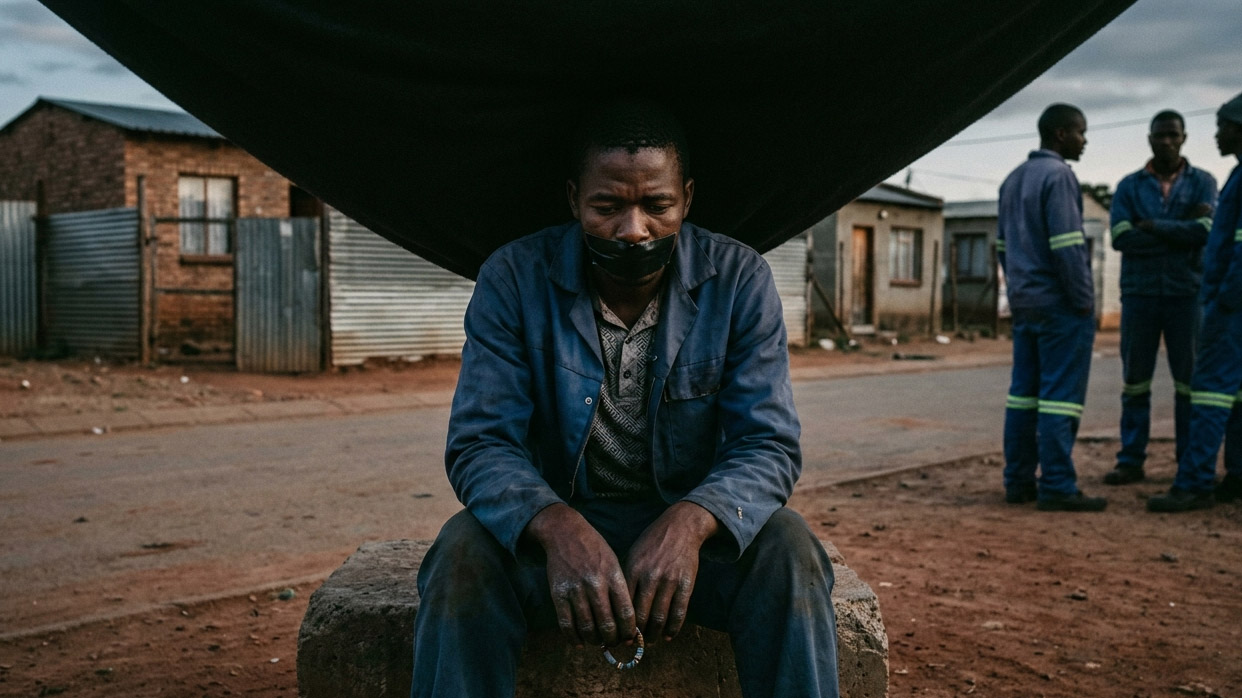
Why are men, in particular, bearing the brunt of this crisis? Experts point to a toxic mix of silence and expectation. Many men are raised to believe they must endure hardship quietly. When faced with financial strain, relationship breakdowns or disputes at home, they often lack safe spaces to speak.
Another disturbing and often ignored issue is the abuse some men face at the hands of their spouses. When such men gather the courage to report these cases, they are met not with help, but ridicule. Police officers laugh and say, ‘hhawu ushaywa ngumfati’, reducing a serious matter to a joke. This stigma cuts deeply. It strips men of dignity and reinforces the dangerous belief that they must endure suffering in silence.
When the pressure builds and there is no outlet, some reach boiling point and tragically take their own lives.
The mental health dimension cannot be ignored. Eswatini is facing a growing wave of depression, anxiety and substance abuse, particularly among men who feel unable to speak about their struggles. Globally, suicide is closely linked to untreated mental health conditions, yet in our country, services remain thin, underfunded and stigmatised. Many people suffer quietly until it is too late.
From a biblical perspective, life is sacred. Scripture teaches that ‘you shall not murder’, a commandment that extends to the self. At the same time, the Bible acknowledges human despair. People of God such as Elijah and Job cried out under immense suffering. Their stories call for compassion, not condemnation. They remind us that those who are struggling need support, not silence.
This raises an uncomfortable question: Where are the organisations meant to support men? There is growing advocacy around women and children, rightly so, but men’s pain is often dismissed or ignored. A society that neglects the well-being of its men is setting itself up for deeper social fractures.
In this context, conversations about a ‘Men’s Conference’ should not be trivialised or reduced to avoiding Valentine’s Day. Such a platform is desperately needed. It must be a space for honest, difficult conversations about what it means to be a man today.
Not to raise men who are emotionally shut down under the belief that ‘indvodza ayikhali’, but also not to produce men who are left vulnerable and without direction. We need balanced, grounded men who can express pain, seek help and still carry responsibility. We cannot continue to normalise loss. We need a national conversation that moves beyond silence. Men must be encouraged to speak, families must learn to listen and authorities must treat mental health as a priority, not an afterthought. Two lives lost are already too many. The question is how many more will it take before we act with the urgency this crisis demands.
Two lives lost to suicide are two too many.