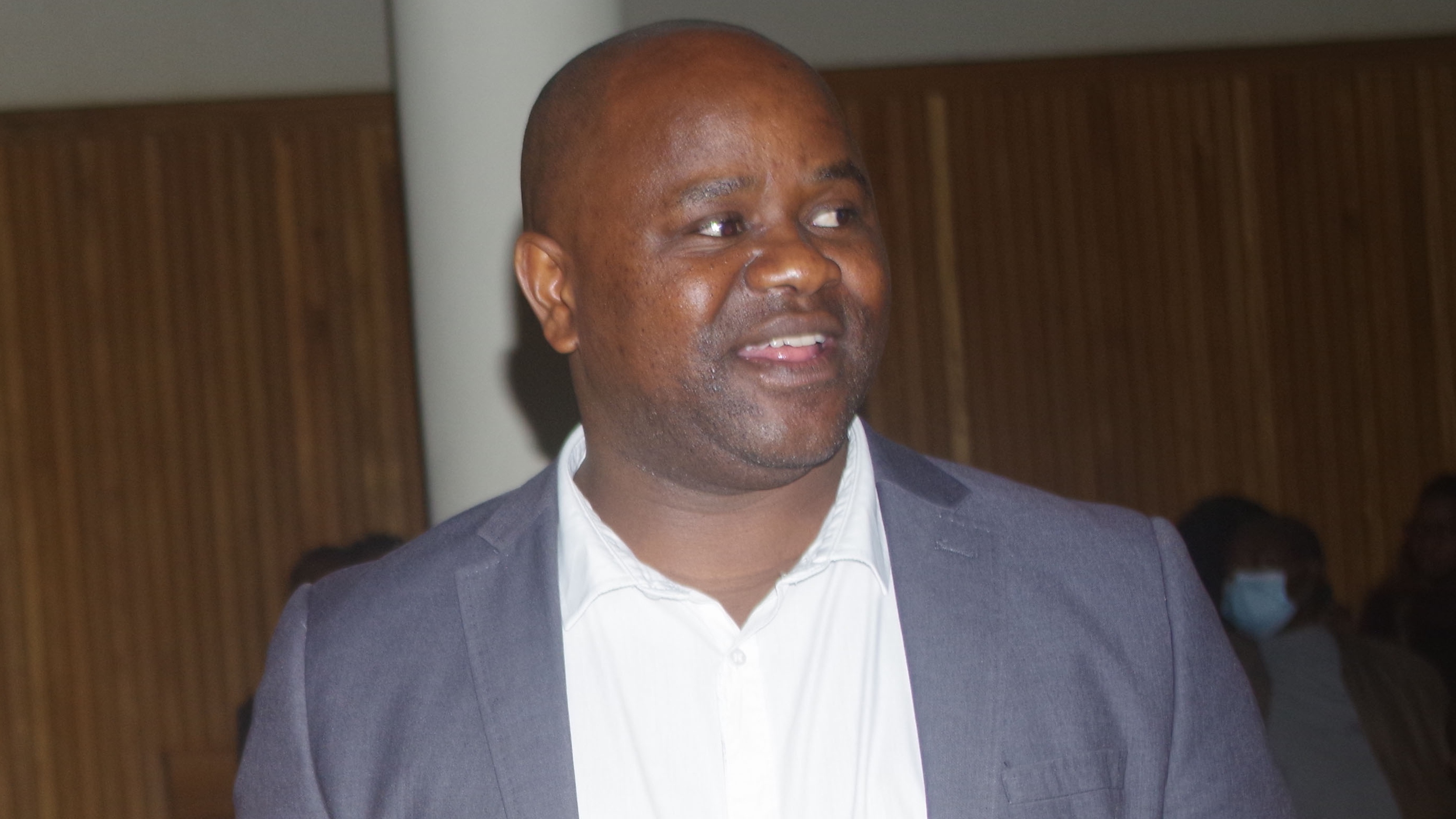
I would like to add my voice to those pleading with His Majesty King Mswati III to give a royal pardon to Mthandeni Dube. As his lawyer, Sandile Motsa put it, Dube has the constitutional right to seek a royal pardon; not to force anything, but to ask. He has chosen the customary way of seeking forgiveness from the King.
This traditional way has existed in our kingdom for more than 400 years. We are told that a Magagula clan around my area, Madlangampisi, had fallen foul of the warrior King Mswati II around the year 1845, and the King was livid, ordering the destruction of the Magagula clan. Prince Madzanga I, an uncle to King Mswati II (through Indlovukazi Tsandzile Ndwandwe, mother to the King from the Ndwandwe Kingdom, who had fled to Eswatini following the defeat of his father, King Zwide KaLanga) resolved to seek a royal pardon from his nephew, King Mswati II, on behalf of the Magagula clan.
The Magagula clan had been hospitable to the Ndwandwe clan when they first arrived from their country, Egudu, in present-day Zululand.
It is said that he took the Magagula chief to the royal palace and, in front of the King, threw him on the ground and covered him with his own body. Effectively saying, you will have to kill me first, Your Majesty, if you wish to kill this man.
This is the reason Prince Simelane had to state categorically that he represents Mthandeni Dude and that he was his emissary. In those days, it was extremely dangerous to be an emissary to a person perceived to be an enemy to the King. King Mswati II did offer a royal pardon to the Magagula clan in honour of his uncle, but took away their status as chiefs in some of the land and made them headmen, tindvuna, under the Ndwandwe Prince Madzanga I on some of their land.
Political activist Roland Rudd got a royal pardon
King Mswati III is not a stranger to politically motivated royal pardons. On the July 18, 2016, this publication carried a story titled: ‘Roland Rudd released by royal pardon’. Rudd had been a thorn in the flesh of government for some time following the formation of SWAYOCO, which was suspected of carrying out bombings including a blast in 1998 which destroyed the offices of the deputy prime minister, claiming the life of a security guard. This prompted the arrest of nine SWAYOCO members, including Roland Rudd. However, in the 2004 court case, the state did not have enough evidence to convict the suspect, and they were set free.
There was a specific case against Rudd, where the State allegedly found bomb-making ingredients in his car; however, they did not have a strong enough case to convict him. He then turned things around and sued government for false arrest. It would take an attempted murder charge of three soldiers and an unlawful possession of a firearm contravening the Arms and Ammunition Act 1964 to finally convict him. The court sentenced him to 12 years imprisonment without an option of a fine. He served four years and was given a royal pardon.
Prince Mfanasibili and others pardoned
His Majesty the King had to face difficult decisions involving high-profile members of the royal family who had been convicted of high treason by subverting the ends of justice. In May 1986, His Majesty King Mswati dismissed the Liqoqo, the traditional advisory council to regents, which had assumed greater powers than were customary. In July 1986, he dismissed and charged with treason the then Prime Minister Prince Bhekimpi and several government officials for their role in the ejection of Queen Regent Dzeliwe.
Ironically, they have replaced Queen Regent Dzeliwe with the Queen Mother, Her Majesty Indlovukazi, the mother of His Majesty the King. Prominent on the list were Prince Mfanasibili, who was given a 15-year jail term, Robert Mabila, given an eight-year jail team, and George Msibi, who was also given a 15-year jail term. They were all released after a royal pardon by His Majesty King Mswati III in 1988 after a few months in prison.
Mthandeni has told his truth
There are times when a person must decide to choose himself and his family. Dube has decided to openly seek the royal pardon and pledge allegiance the King. Political rhetoric means nothing when your family is suffering. He has the responsibility to his family first as the breadwinner. The reality is that the direct election of our future prime ministers is real and what Dube and several Members of Parliament were calling for will never go away, as it is in the best interest of the King himself. An elected prime minister is in the interest of the future of our country and the royal family, as most members of the 11th Parliament who were calling for this were, in fact, loyal to His Majesty the King and the monarchy.
The direct political exposure to day-to-day politics is not in the interest of the monarchy, and history has proven that again and again. The number of monarchies with the power to appoint unelected prime ministers is only a handful, and all of them have been labeled as absolute monarchies. This label we do not need, but the international community cannot go past our political realities as the King continues to appoint unelected prime ministers. There is a saying that: “If it looks like a duck, walks like a duck and quacks like a duck, then it is a duck.” A test devised by the US Labour leader Walter Reuther (1907–70) in the McCarthy era. If His Majesty the King were to give the nation maybe four candidates to campaign throughout the country, then allow the nation to elect the prime minister, then things might be different. This would be considered a critical step towards real Tinkhundla System of Government, which is required by the international community. The absolute monarchy label is not good for our economy and our international image. Unfortunately, BakaNgwane chose to pretend that the absolute monarchy story is fiction and a construct of the progressive movement. Eswatini’s Constitution might not fully agree with the label, but the international community does, given our actual political character.
Comment septembereswatini@gmail.com
Former Ngwempisi MP Mthandeni Dube. (File pic).