MBABANE – Government is considering taxing energy and sugary drinks following the health burden they have on its coffers, as children are hooked as early as primary schools.
This follows that from pupils arriving in class jittery, restless and struggling to focus, after downing energy drinks sold freely near their schools.
Teachers say the drinks, once occasional, are now a daily habit among pupils, especially those preparing for exams.
Some rely on them to stay awake through the night, only to crash during lessons.
Despite this, the drinks remain widely accessible, with no age restrictions and little awareness of the risks among young consumers.
Outside school gates, sidewalk stalls and inside classrooms across the country, energy drinks have become a growing habit among learners under academic pressure.
It is said before the start of lessons, pupils, particularly in senior secondary classes, are increasingly seen consuming energy drinks, with teachers warning that the stimulant products are now embedded in study routines linked to examination pressure.
A teacher from one of the schools in Mbabane said the practice had become normalised among learners, despite visible health effects.
Energy drinks often contain stimulants such as guarana, a plant-derived ingredient that is rich in caffeine and can significantly increase alertness by stimulating the central nervous system. While this may provide a temporary boost in energy, excessive intake has been linked to side effects including rapid heart rate, high blood pressure, anxiety and sleep disturbances, particularly among young people.
Unlike alcohol, however, these beverages are not subject to age restrictions in Eswatini, making them easily accessible even on the streets.
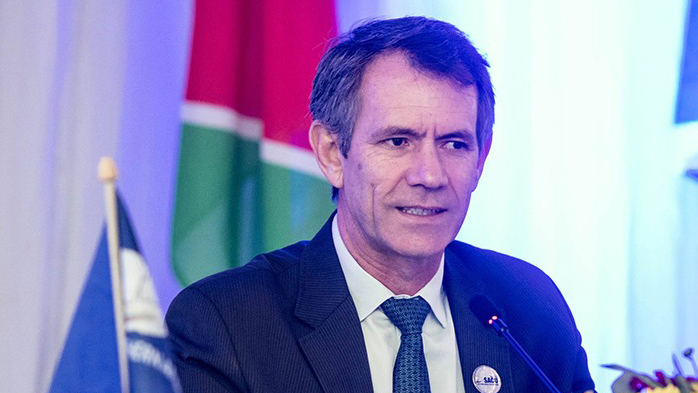
Meanwhile, the consideration of the taxes was affirmed by the Minister for Finance, Neal Rijkenberg. He said: “We are in the process of considering these taxes.”
On the other hand, as of the 2025/26 financial year, ‘sin taxes’, specifically the alcohol and tobacco levy, have become a significant and growing component of Eswatini’s domestic revenue, designed to enhance fiscal stability and curb harmful consumption.
While total revenue collections in 2025/26 hit E15.7 billion, the dedicated alcohol and tobacco levy contributes tens of millions in specific levies, alongside VAT and excise duties.
“Some pupils rely on energy drinks to stay awake through the night for studying. They arrive at school already exhausted, but still dependent on caffeine to function during the day,” he said.
The trend has raised concern among health professionals, who warn that frequent consumption of high-caffeine and high-sugar drinks among adolescents can lead to sleep disruption, anxiety, elevated blood pressure and long-term organ stress, including kidney complications.
In some cases, teachers say pupils show signs of fatigue, irritability and reduced concentration in class, ironically the same symptoms energy drinks claim to prevent.
Worth noting is that energy drinks often contain high levels of caffeine and sugar, which can lead to dehydration, sleep disorders, cardiovascular strain and kidney complications over time.
The consumption of sugary and energy drinks has seen the World Health Organisation (WHO) calling for the introduction of the taxes to limit their consumption as they are said to be putting pressure on government financial responsibilities in the health sector.
*…
Africa faces rising youth energy drink consumption
MBABANE – Across Africa, energy drink consumption among young people is increasing, raising public health concerns and prompting calls for policy intervention.
In South Africa, one of the continent’s largest markets for energy drinks, studies have shown widespread use among adolescents.
Research indicates that nearly one in three high school learners consume energy drinks regularly, often exceeding recommended caffeine levels.
The South African Medical Research Council has warned that aggressive marketing and easy availability are key drivers behind the trend.
The health department in South Africa country has linked energy drink consumption to poor sleep patterns, reduced academic performance and increased likelihood of engaging in risky behaviours.
There have also been growing discussions around regulation. In some countries outside Africa, governments have already taken action.
For instance, the United Kingdom has moved towards banning the sale of high-caffeine energy drinks to under-16s, citing concerns over children’s health, behaviour and academic outcomes.
*Full article available on Pressreader*
Minister for Finance Neal Rijkenberg has mentioned that government is in the process of introducing taxes on sugary drinks such as energy drinks. (File pic)