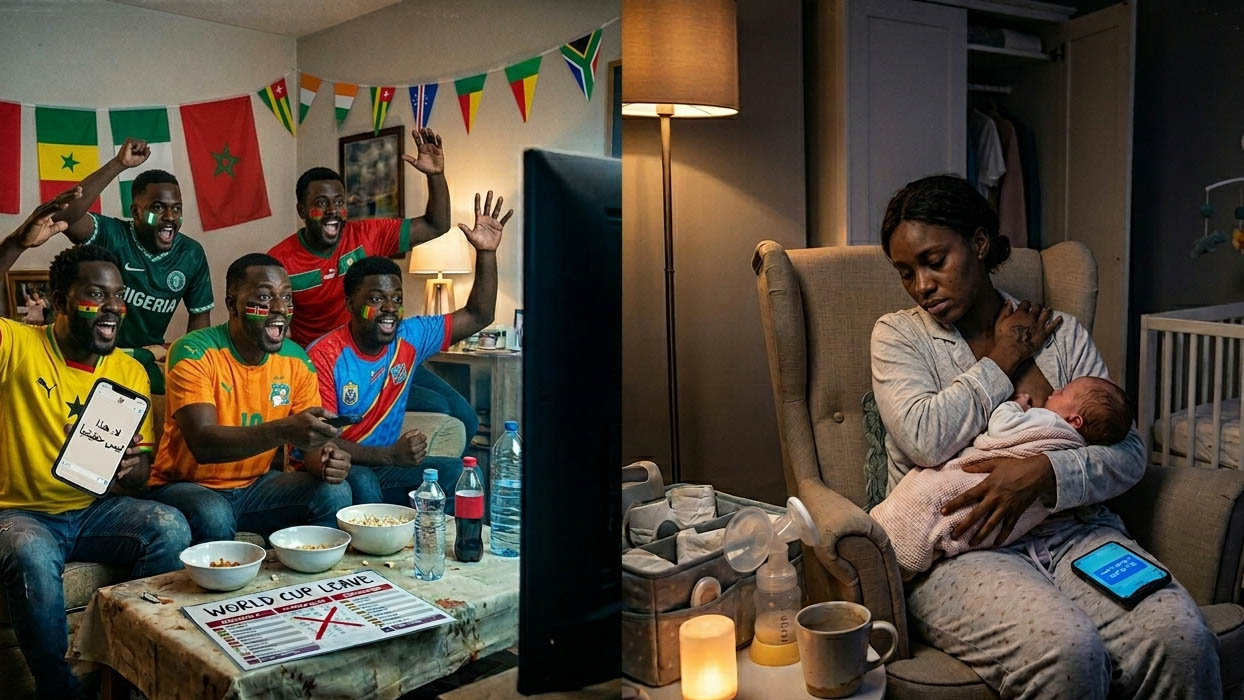
As the world counts down to the next FIFA World Cup, excitement is already building in homes, workplaces and communities across the globe. Jerseys are being bought, television schedules are being studied and group chats are filled with debates about which nation will lift the trophy. For many men, the World Cup is more than just a football tournament. It is treated like a sacred season. Some even go as far as taking leave from work so they can fully dedicate themselves to watching every match without interruption. Yet, there is an uncomfortable contradiction hidden within this passion. Many of the same men who willingly take leave for football often do not take leave when they become fathers. They return to workdays after the birth of their child, leaving mothers to carry the emotional and physical burden alone. Somehow, 90 minutes of football can seem more deserving of uninterrupted attention than the first days of a newborn’s life. This comparison is not meant to attack football fans. Sport has always been powerful. I love football myself, a huge Man City fan. I believe that the World Cup brings people together across race, language and nationality. It creates joy, excitement and shared memories. Entire countries pause during major matches. Streets become quieter, bars become fuller and emotions run high. There is nothing wrong with loving football or wanting to enjoy a once-in-four-year’s event. The issue lies in what society has taught men about priorities and emotional presence. Many men have grown up in cultures where being physically present at home is seen as optional, while providing financially is considered the primary duty of a father. Because of this, some men do not see paternity leave as necessary. They believe the newborn will not remember whether they were there or not. Others fear being judged at work for taking time off to care for a baby, as though fatherhood is less important than professional responsibilities.
Ironically, the same fear often disappears during the World Cup. Men confidently submit leave forms weeks in advance so they can follow the tournament properly. Employers joke about it, friends celebrate it, and society accepts it as normal male behaviour. No one questions why a man would need time away from work for football. But when a man request leave to support his partner after childbirth, some still respond as though he is asking for a luxury.
This says a lot about the way masculinity has been shaped over the years. Men are encouraged to be passionate about sports, but not always encouraged to be deeply involved in caregiving. Celebrating football is considered masculine. Changing nappies, comforting a crying baby at midnight or supporting a recovering partner is still viewed by some as secondary work. Yet the arrival of a child is one of the most important moments in a person’s life. Unlike the World Cup, it does not come every four years. A baby is only born once. The first days and weeks matter deeply, not because the child will consciously remember them, but because those moments lay the foundation for bonding, emotional connection and family stability.
Studies around the world continue to show that fathers who are actively involved from the beginning tend to build stronger relationships with their children. Their presence also supports mothers, especially during the physically exhausting and emotionally vulnerable period after childbirth. A supportive father can reduce stress, improve maternal mental health, and create a healthier family environment overall. Football tournaments create memories too, but they are temporary. The final whistle blows, the trophy is lifted and life moves on. Parenthood is lifelong. Years later, very few people will remember every match they watched during a particular World Cup. But children will feel the impact of whether their fathers were emotionally available, supportive and present throughout their upbringing.
This is not to suggest that men should not enjoy the World Cup. They absolutely should. Passion, entertainment and hobbies are healthy parts of life. The concern arises when society normalises taking leave for recreation while failing to normalise taking leave for caregiving and fatherhood. Perhaps the conversation should not be about choosing between football and family, but about redefining what deserves the greatest emotional investment. If men can organise their lives around football fixtures, then surely, they can also organise their lives around supporting their families during life-changing moments.The upcoming World Cup will once again capture global attention. Flags will wave, celebrations will erupt and millions will pause their routines to watch history unfold on the pitch. But maybe, alongside the excitement, there is room for reflection. Maybe it is time to ask why society applauds men for dedicating themselves to sport, yet often overlooks the importance of dedicating themselves to fatherhood. Because while football creates champions for a season, present and caring fathers help shape lives forever.
As the world counts down to the next FIFA World Cup, excitement is already building in homes, workplaces and communities across the globe.