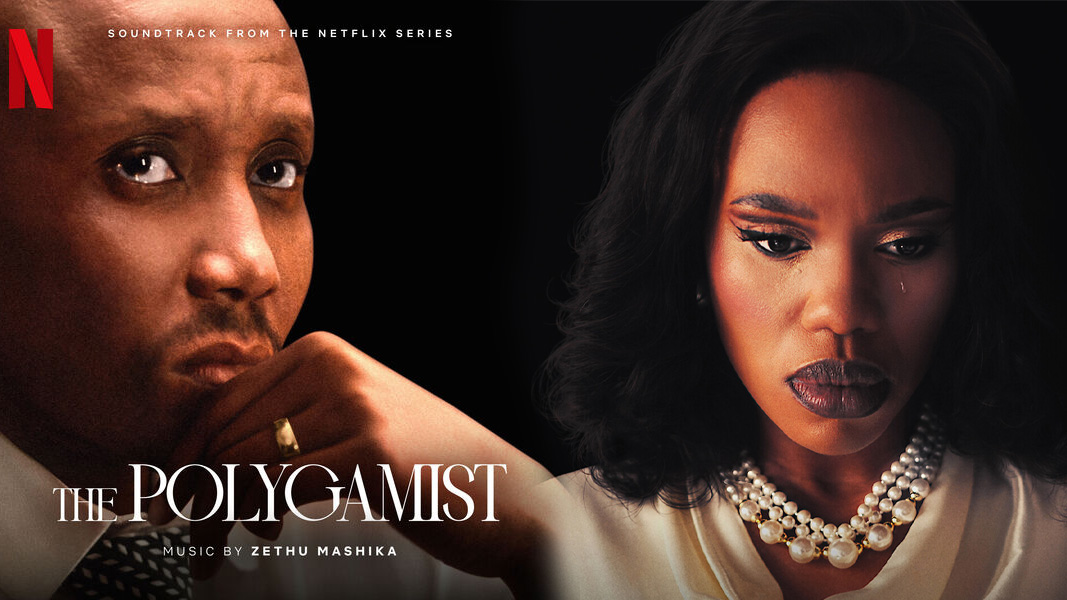
A week ago, social media was buzzing with discussions about the recently released series on Netflix, ‘The Polygamist’ and most of the comments shared by most women on social media are deeply concerning. The series has captured the attention of viewers across Southern Africa and beyond. While some people watch it for entertainment, drama and suspense, the series raises important social issues that deserve deeper discussion. It opens the door to critical conversations about gender relations, marriage and treatment of women. Through a feminist lens, the storyline can be viewed as more than just a television drama rather, it is a reflection of the inequalities and power imbalances that continue to exist in families and relationships.
According to the United Nations Women, feminism is a movement and body of thought that advocates for the social, political and economic equality of women. Feminism challenges systems that place men in positions of power while expecting women to be submissive, silent or accepting of unfair treatment. When viewed from this perspective, ‘The Polygamist’ highlights how some women continue to bear the emotional burden of relationships in which their loyalty and sacrifices are not equally valued.
A key theme portrayed in the series is the emotional pain experienced by women when men engage in multiple relationships. Whether these relationships occur within a recognised polygamous marriage or through secret affairs, women are often the ones who suffer the consequences. Wives dedicate years to supporting their husband, raising children and maintaining households yet despite these contributions, they find themselves competing for attention, affection and respect. Feminist scholars have long argued that society often normalises men’s behaviour while expecting women to endure the emotional consequences.
The series raises questions about power. In traditional societies, men have historically held greater authority within families.
This authority allows them to make decisions that significantly affect their wives and children without meaningful consultation. A feminist reading of ‘The Polygamist’ challenges the imbalance by asking whether women have equal power to make decisions about their own relationships and futures. It questions why women are often expected to accept situations that undermine their dignity and emotional well-being.
Women often experience a lack of appreciation in their marriages. Feminist thinkers have frequently pointed out that women’s labour within the home is invisible and undervalued. Essential tasks, which include cooking, cleaning and providing emotional support, keep families functioning, yet they are rarely recognised as valuable work. In the series, viewers see women investing their time, energy and love into families only to be met with betrayal or neglect. Their reality reflects societal patterns in which women’s contributions are taken for granted.
The emotional struggle faced by women in the series reveals the unequal expectations placed on men and women. In many communities, a woman who is unfaithful may face harsh criticism, while similar behaviour by a man is excused or treated as normal. Elders even say: ‘Umfati uyelanywa’ and hide behind traditions without even considering the wife’s feelings. Feminism challenges these double standards by arguing that respect, loyalty and accountability should apply equally to everyone, regardless of gender.
Relationships cannot thrive when one set of rules applies to men and another to women. Importantly, a feminist analysis of ‘The Polygamist’ does not seek to attack men or dismiss traditions; it encourages critical reflection on whether certain practices promote equality, respect and mutual happiness. Naturally, some men are loving, faithful and supportive partners who value their wives and families. The problem lies not in masculinity itself, but in behaviours and social attitudes that place men’s desires above the needs and feelings of women.
The popularity of the series demonstrates that audiences are eager to engage with stories that reflect real-life experiences. Television has the power to shape public conversations and challenge social norms.
By portraying the emotional realities faced by women, the series gives voice to experiences that are often ignored or silenced.
It encourages viewers to question why some women continue to suffer in relationships where they are not respected, appreciated and treated as equals.
Ultimately, this serves as a reminder that feminism remains relevant in contemporary society. The series exposes issues of inequality, emotional neglect and gendered power dynamics that affect many women. It challenges viewers to imagine companionships built on mutual respect, honesty and equality rather than dominance and control. If the programme encourages society to value women not only for what they do, but also for who they are, then it will have contributed to an important conversation about justice and dignity within families and relationships.
Worth noting, health companionships create a supportive environment where both individuals feel heard and respected.
They provide a stable foundation for children who learn about love by observing their parents. This is a constant reminder that lasting relationships require commitment and effort from both partners and that genuine love involves respecting a partner’s dignity and feelings.
A week ago, social media was buzzing with discussions about the recently released series on Netflix, ‘The Polygamist’ and most of the comments shared by most women on social media are deeply concerning.