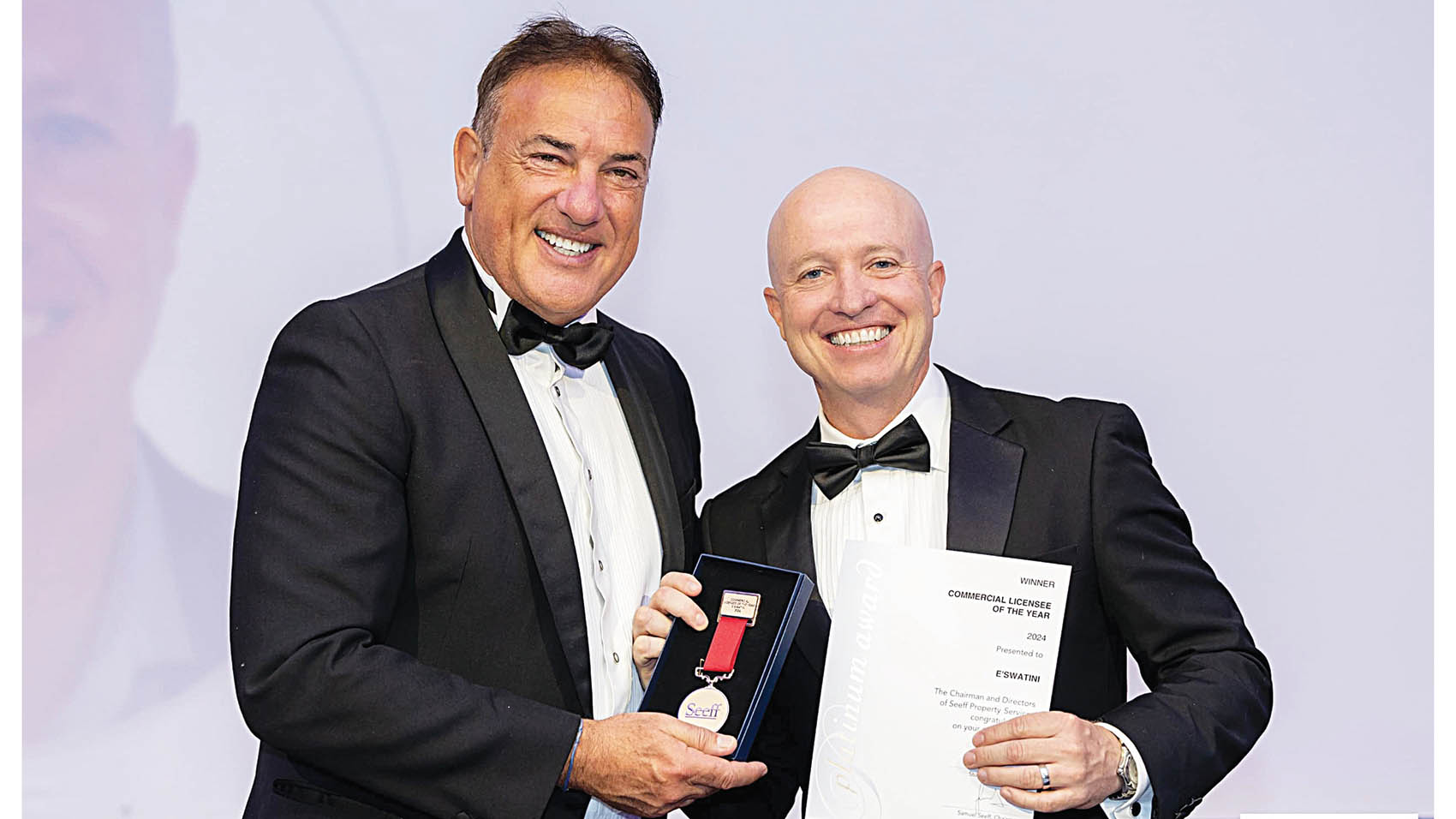
In a dynamic real estate landscape, identifying true investment value requires a keen eye and expert guidance. We sat down with Anthony Mcguire, Principal at Seeff Eswatini and the Chairman of the Seeff Group’s Commercial Committee, an award-winning sales agent, to unpack the critical factors potential buyers and sellers should consider in Eswatini’s evolving property market.
What makes an investment property ‘worth it’?
“The cornerstone of any sound property investment, particularly in the current market, is location, location, location,” advises Mcguire. “Beyond mere geography, it’s about strategic positioning relative to future growth.”
For commercial investment properties, the focus shifts to tangible returns and future potential. “Investors must scrutinise current rental yields, zoning regulations and the potential for future development on the land, especially if it’s undeveloped,” he explains. “Understanding the town planning and general development blueprints for the area is crucial. Is this property positioned to strategically capitalise on future market demand and growth?”
Mcguire stresses that the Return on Investment (ROI) is paramount for investors, who typically target a yield of between eight per cent and as much as 11 per cent depending on risk. “Ensure your investment truly makes financial sense from day one,” he urges. This advice extends to sellers of investment properties: “If you’re serious about selling, your pricing needs to be aligned with these market expectations.”
Residential investment properties, while differing in immediate cash flow, share similar location-centric principles. “Rental potential is critical,” Mcguire states. “While there’s often a gap between residential rentals received and mortgage instalments, certain key residential nodes, particularly properties under E2 million that can be converted into apartments, are now yielding returns in excess of 10 per cent.” He cautions, however, that initial residential investments often require a strong cash flow position to facilitate a significant deposit.
Eswatini’s emerging investment hotspots
When asked about current areas showing strong investment potential, Mcguire highlighted clear leaders in both residential and commercial sectors.
“From a residential perspective, Ezulwini unequivocally leads in terms of rental returns and price growth,” he confirms. “While the entry point is high, with house prices typically starting north of E3 million and vacant land in areas like Mantenga at around E1.5 million, smaller land parcels can still be found for around E1 million. Developments like Mukela and Umdoni villages offer great value at an entry level of around E2 million, capitalising on Ezulwini’s consistently high rental demand driven by its status as a diplomatic, tourism and business hub.”
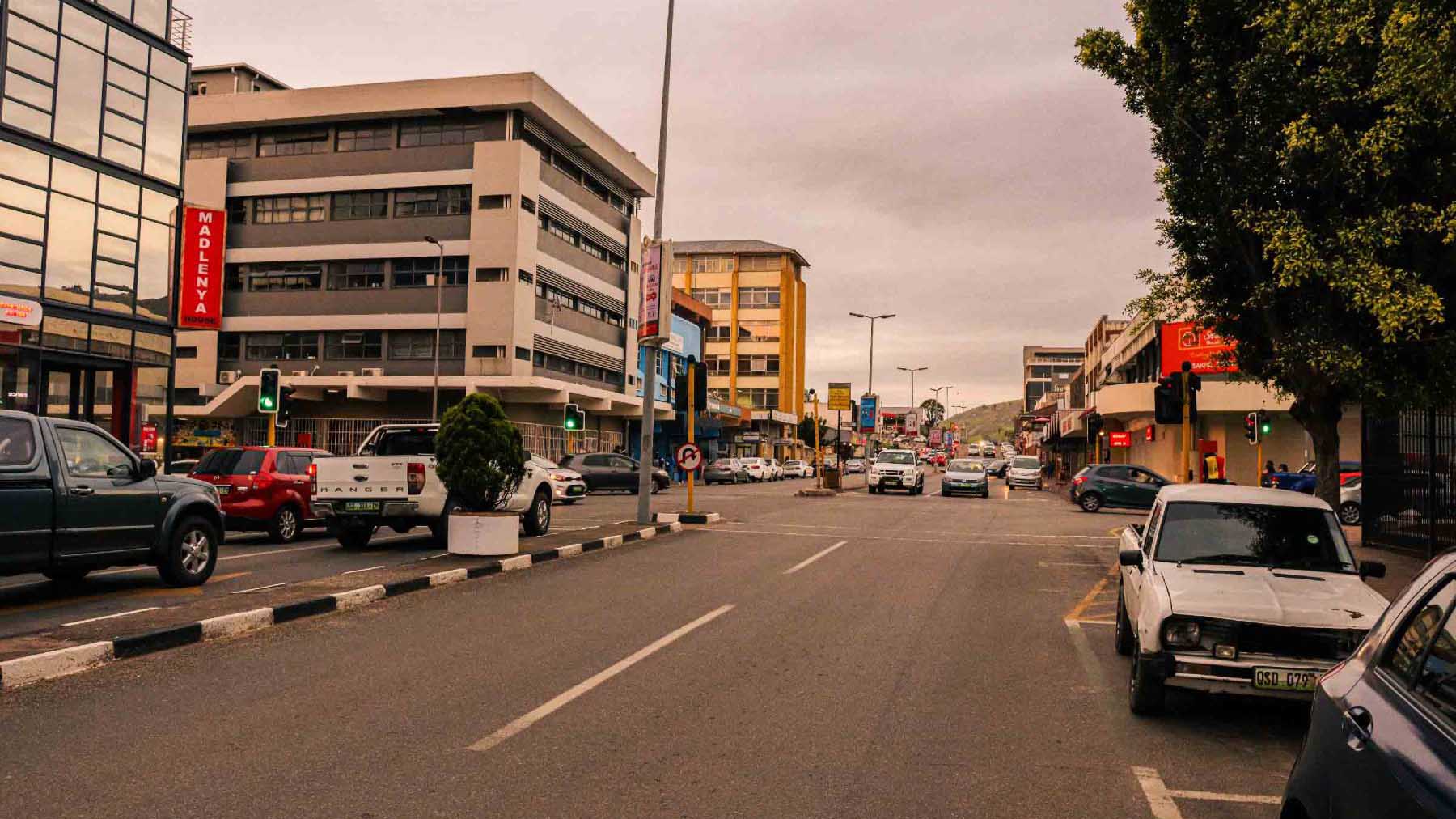
Commercially, the twin cities of Mbabane and Manzini remain perennial strongholds. “There’s never a shortage of demand for retail space in busy, high-foot-traffic areas within these city centres,” Mcguire observes. The industrial sector sees continued high demand in Matsapha, especially for large properties, both vacant and developed.
“We’ve witnessed a significant uptick in demand for properties exceeding 1 hectare in size, for which there’s almost no current supply,” he notes. “Interestingly, this scarcity has led some major industrial players in Matsapha to invest in farmland on the outskirts of the current industrial site. I foresee this becoming a natural extension of the existing industrial zone, presenting substantial opportunities for future growth and supply chain adjustments.”
Urban vs. peri-urban: A shifting dynamic
“Historically, urban areas have offered the best returns and growth due to established infrastructure and convenience,” Mcguire explains. “However, we are now seeing a surge in demand in peri-urban areas.”
This shift is driven by a desire for affordability, larger plot sizes and the flexibility to repurpose residential housing for office use, particularly post-pandemic. “The ability to adapt residential structures for commercial purposes, coupled with better value for money, has directly driven up prices in these fringe areas,” he adds. “Peri-urban zones are increasingly becoming decentralised hubs, appealing to businesses seeking accessible locations without the premium of central city addresses.”
The pivotal role of infrastructure and government planning
“Infrastructure development and proactive government planning are absolutely key,” asserts Mcguire. “They directly fuel investor confidence.”
Robust infrastructure, including well-maintained roads, reliable utilities (water, electricity, internet) and efficient transportation networks, significantly enhances a property’s value and appeal. “These elements reduce operational costs for businesses and improve quality of life for residents, directly increasing demand and, consequently, property values,” he elaborates. “Furthermore, government planning initiatives such as zoning changes, urban development plans and even incentives for specific industries, can unlock immense value and create entirely new growth corridors. Public-private partnerships (PPPs) in these areas are particularly vital for driving long-term sustainable growth.”