MBABANE – The suspension of the fuel levy, as proposed by transport operators, could lead to an influx of motorists from neighbouring countries.
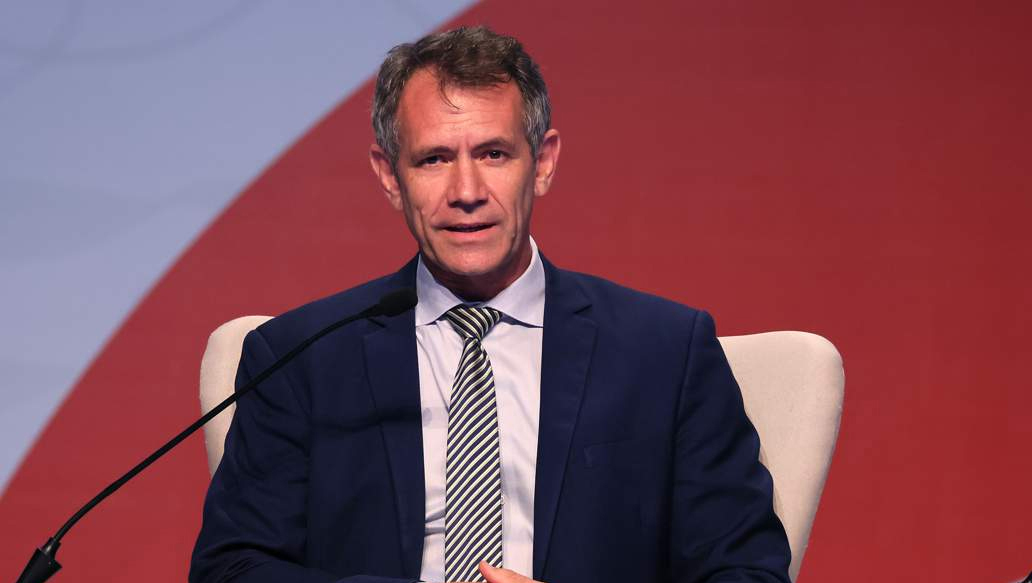
This was the view of the Minister for Finance, Neal Rijkenberg, when he was asked whether his portfolio could afford a reduction in the fuel levy in the interim, given the pressures on the national budget caused by tensions in the Gulf region, compounded by the depreciating Lilangeni (SZL) against the US Dollar (US$).
He was also asked that, if such a reduction were possible, how would the resulting deficit be covered, and if not, what relief measures could be recommended to public transport operators.
The enquiry stemmed from a proposal advanced by public transport operators, calling on government to suspend the fuel levy pending the normalisation of the current situation caused by geopolitical tensions.
It is worth noting that, as of March 1, 2025, the Roads Authority Act of 2023 approved an additional E0.40 per litre to fund the operations of the Road Agency Fund, enabling improved maintenance of national, regional and local road infrastructure.
Additionally, taxes contributing to the consumer fuel price include the fuel levy remitted to the Sincephetelo Motor Vehicle Accidents Fund (SMVAF) at 42 cents per litre, the Eswatini National Petroleum Company (ENPC) levy of 35 cents per litre, the fuel oil levy at 50 cents per litre and a fuel tax of E3.85 per litre.
In total, these taxes amount to E5.52 per litre.
Transport operators indicated that they would present their proposal during a meeting with the Sabelo Dlamini-led National Road Transport Council (NRTC), which would in turn submit it to government.
They stated: “If government can suspend the fuel levy pending the impact of the war [Iran–Israel–US conflict], we would have room to implement a fair fare increase, as commuters are already struggling with the high cost of living.”
In response, Rijkenberg said the request by public transport operators would be better directed to the Ministry of Natural Resources and Energy, in consultation with the Ministry of Public Works and Transport.
Despite this, the minister noted that within the Southern African Development Community (SADC), Eswatini has performed better than many countries, both regionally and globally.
He said Eswatini cushioned consumers by 50 per cent through the Stabilisation Fund, which he described as a significant intervention.
This cushioning followed the announcement last Wednesday by Principal Secretary Lungile Mbingo of new fuel prices, which took effect on Friday.
According to the announcement, the price of Unleaded Petrol (ULP95) increased by E2.90 per litre, from E19.45 to E22.35. Diesel (50ppm S) recorded a steeper increase of E5.35 per litre, rising from E19.85 to E25.20.
Meanwhile, the price of illuminating paraffin rose by E5.30 per litre, from E14.20 to E19.50.
The ministry attributed these sharp increases to escalating international oil prices, driven largely by supply chain disruptions and heightened geopolitical instability in key oil-producing regions.
During March 2026, Brent crude oil prices surged to an average of US$104 per barrel, a significant increase from US$69 per barrel recorded in February 2026.
*Full article available on Pressreader*
Minister for Finance Neal Rijkenberg. (File pic)