LOBAMBA – Talk about a strong reaffirmation made at a historic celebration!
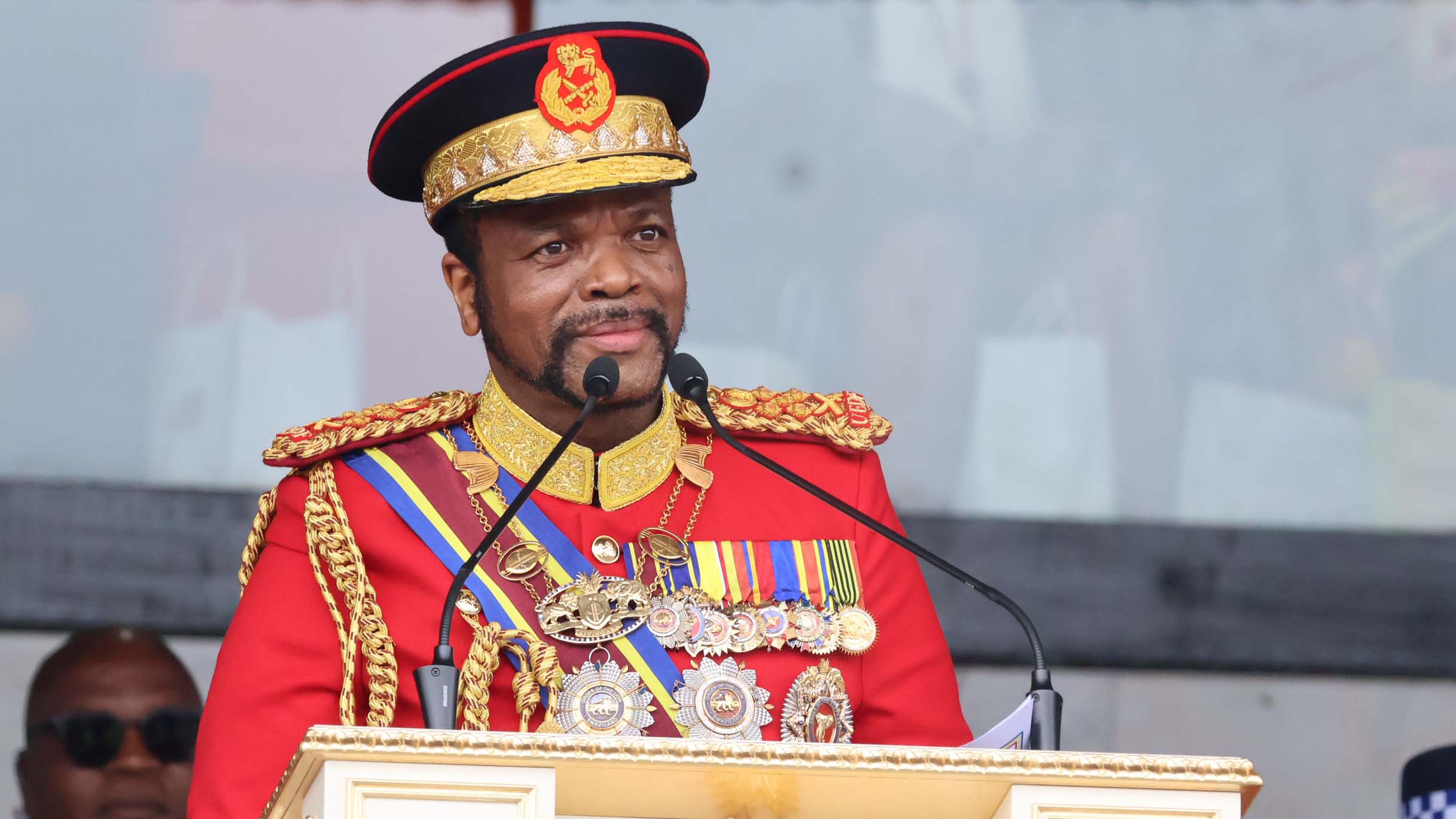
This was the situation as His Majesty King Mswati III used the Ruby Jubilee address to deliver a firm and symbolic affirmation that his reign is rooted in the will, trust and participation of the people, declaring unequivocally that a monarch does not rule in isolation, but alongside the nation he serves.
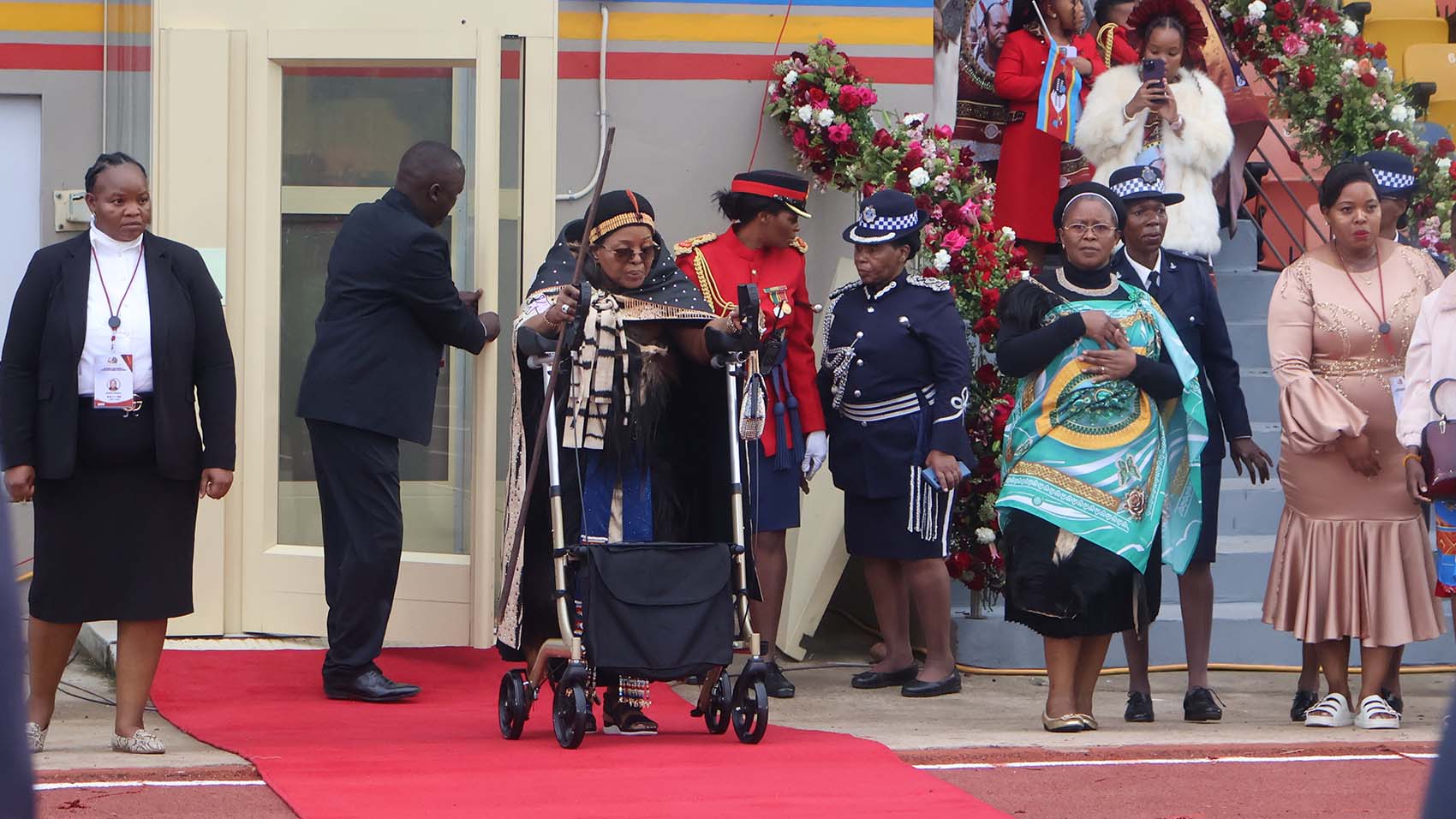
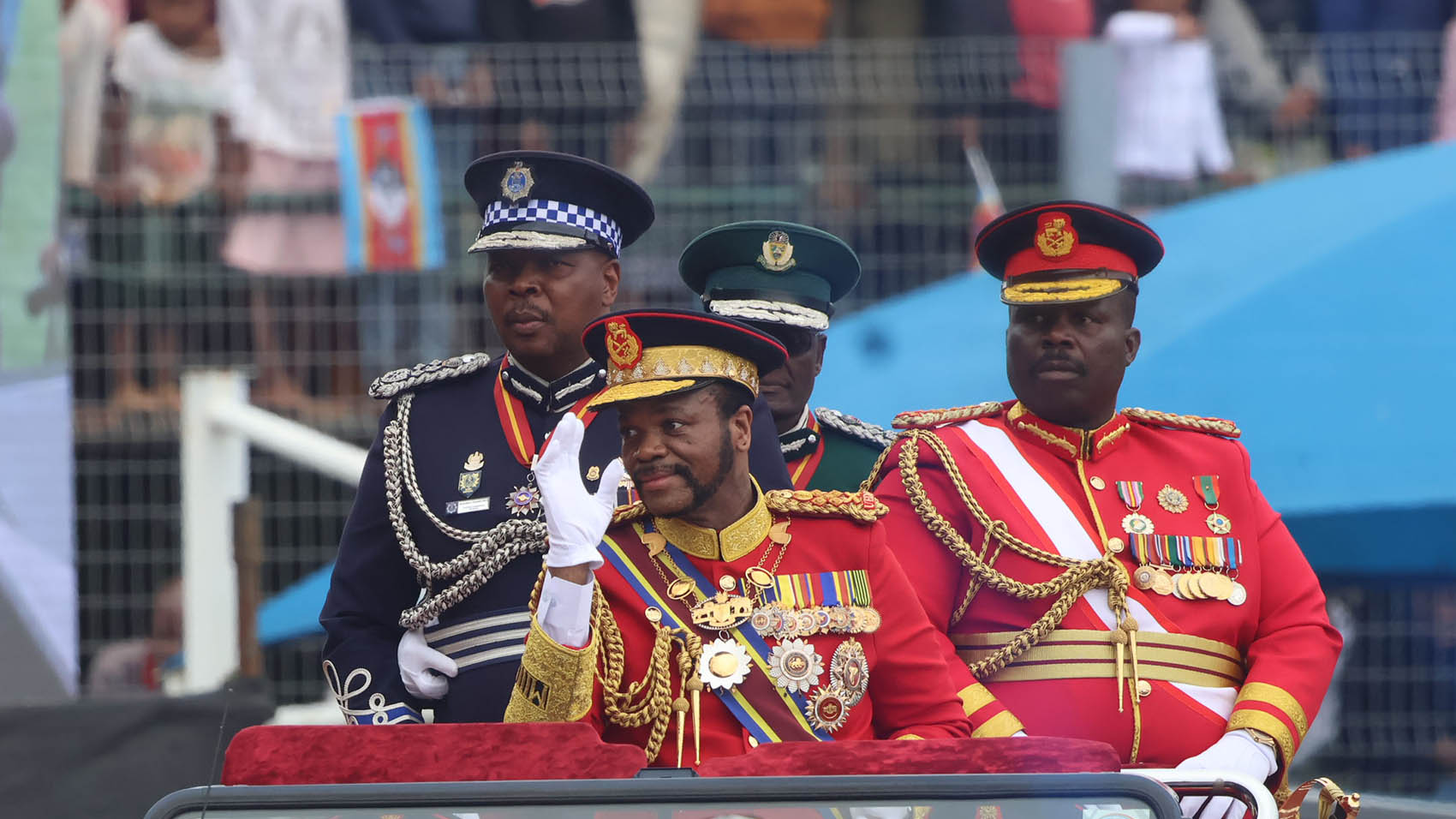
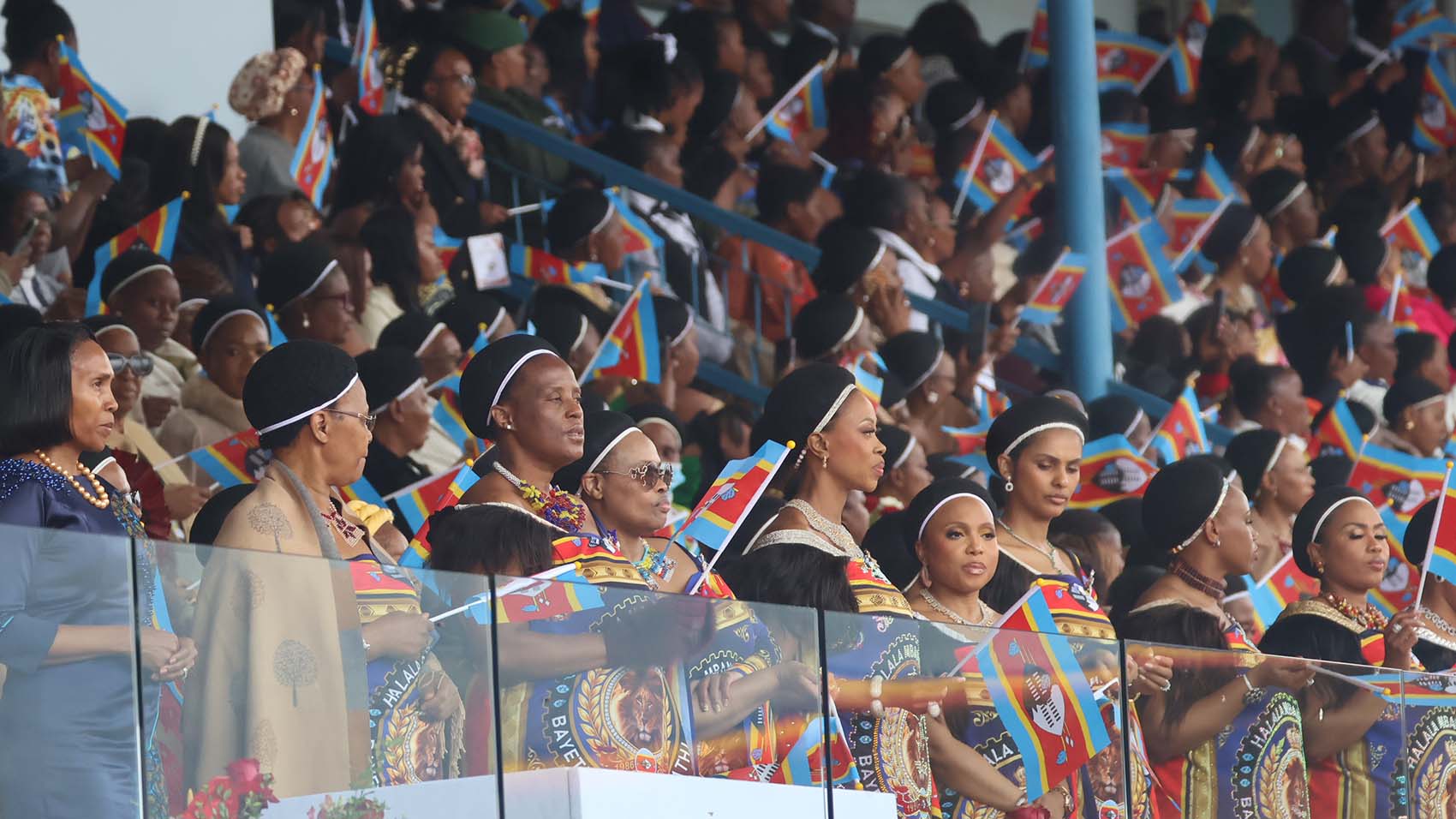
Speaking before thousands gathered at Somhlolo National Stadium, the King marked 40 years as Ingwenyama of Eswatini, a milestone that coincided with his 58th birthday.
The occasion, he said, was not only a personal celebration but ‘a sacred moment of national thanksgiving and reflection’, dedicated to honouring divine grace, ancestral guidance and the loyalty of emaSwati who have sustained the kingdom across four decades.
Yet beyond the ceremonial tone and reflections on national progress, it was his clear articulation of shared leadership that stood out as the defining message of the day.
In a strong and deliberate statement, King Mswati III declared: “A King does not rule alone but with his people,” emphasising that the institution of the monarchy is inseparable from the citizens it serves.
He went further to underscore this bond, stating: “The greatest gift a leader can receive is the trust of his people. You have given me that trust for which I am truly grateful.”
The remarks signalled a renewed emphasis on a consultative and inclusive approach to leadership, reinforcing the idea that national development and stability are collective responsibilities.
The King framed his reign as one shaped not only by royal authority but by dialogue, cooperation and the enduring support of the population.
Reflecting on his coronation on April 25, 1986, also held at the same stadium, the monarch recalled the solemn pledge he made to the nation. “To follow in the footsteps of my predecessors, to serve, to protect and to uphold the rich traditions and values that define our kingdom,” he said, adding that this covenant remains unchanged.
In a symbolic renewal of that promise, he told the gathering: “I will continue to serve with devotion. I will uphold our traditions and our Constitution. I will lead towards unity, peace and prosperity. And I will never forget that the throne exists for the people.”
The King’s speech wove together themes of heritage, progress and unity, situating his message within the broader historical journey of the kingdom.
He paid tribute to his predecessors, particularly King Sobhuza II, whose leadership he credited with laying the foundations of modern Eswatini. He described his predecessor’s reign as one ‘woven with achievements and cultural protection that define the heart of Eswatini’.
The King also highlighted the enduring importance of cultural identity, pointing to sacred ceremonies such as the Incwala and the Umhlanga Reed Dance as pillars of national pride.
He noted that participation in these traditions has grown significantly, while tourism linked to cultural heritage has contributed to economic decentralisation, transforming areas such as Buhleni and Hlane into thriving centres of activity.
He further reflected on a defining national moment – the decision to reclaim the country’s name as Eswatini – which he said reaffirmed identity, unity and pride.
*…
… significant economic transformation since coronation
LOBAMBA – The Kingdom of Eswatini has witnessed significant economic transformation since His Majesty King Mswati III assumed the throne.
Delivering his speech during the Royal Jubilee Celebrations held at the Somhlolo National Stadium in front of thousands of citizens, guests and African leaders, His Majesty King Mswati III pointed to significant growth since his coronation, noting that the country’s gross domestic product has expanded dramatically from approximately E1.4 billion to over E95 billion.
The King attributed this progress to a culture of consultation and national planning, including initiatives such as the National Development Strategy, which continues to guide the country’s ambition of attaining developed status.
His Majesty commended the role of the private sector in driving economic growth, particularly in manufacturing, which now contributes a substantial share of the economy through industries such as agro-processing, textiles, sugar production and forestry.
Empowerment initiatives, including the Regional Development Fund and FINCORP, were also highlighted for supporting entrepreneurs and strengthening small and medium enterprises.
Infrastructure development featured prominently in his address, with the King noting the expansion of the paved road network from around 500 kilometres in 1986 to more than 2 000 kilometres today.
His Majesty cited major projects such as the King Mswati III International Airport and the Mavuso Trade and Exhibition Centre as key national assets, alongside innovation hubs like the Royal Science and Technology Park.
He also announced the imminent launch of a new International Convention Centre in Ezulwini, describing it as a world-class facility expected to boost tourism and catalyse long-term economic growth.
The King urged emaSwati to actively promote the facility, noting its potential to generate opportunities across multiple sectors.
Significant strides in social development were also outlined. The King highlighted improvements in access to electricity, which has risen from just five per cent of homesteads in 2003 to approximately 88 per cent today.
He stressed that such progress represents more than infrastructure, stating: “When we connect a home, we connect dreams,” referencing the broader impact on education, healthcare and small businesses.
In healthcare, His Majesty pointed to the expansion of hospitals and clinics, as well as the country’s success in combating diseases such as HIV/AIDS, tuberculosis and malaria.
The King noted that Eswatini has achieved key international targets and introduced innovative prevention methods, while also strengthening social protection through grants and housing initiatives. The King acknowledged, however, that the journey has not been without challenges. He spoke candidly about periods of drought, the impact of the COVID-19 pandemic and episodes of social unrest that tested national unity.
Despite these difficulties, he praised the resilience of emaSwati. “Through every trial, emaSwati did not break. We overcame,” he said, describing this resilience as a defining national characteristic.
*Full article available on Pressreader*