A recent article by Business Insider Africa: “From gold to oil: Eight African countries sitting on untapped natural resources,” places Eswatini among nations whose subsoil wealth remains largely unexploited.
The article notes that Eswatini has significant deposits of asbestos, cassiterite, clay, coal, talc and even minor gold and diamonds, in addition to forests, quarry stones and hydropower potential. This acknowledgement should not be taken lightly. It is a reminder that beneath our feet lies economic promise - yet to be harnessed.
For decades, Eswatini’s economy has leaned heavily on agriculture, forestry and imports, with mining contributing only marginally to GDP.
Minerals such as coal, gold and crushed stone remain underdeveloped despite their potential to transform the economy. Encouragingly, government has recently issued more mining and prospecting licences than it has in 20 years, signalling a renewed interest in coal, diamonds, ‘green chert’ and gold.
At the same time, the African Development Bank has emphasised that Eswatini’s greatest natural-capital potential lies in both renewable resources like timber and pastureland, and non-renewable assets such as coal. These findings underscore the necessity of a dual development path, one that respects sustainability while unlocking mineral and natural wealth.
Yet, the challenges that have stalled natural-resource development remain profound. Like many African nations identified in the Business Insider Africa article, Eswatini struggles with insufficient infrastructure, slow exploration activity, weak regulatory frameworks and a lack of strategic investment.
Historically, these obstacles have made mining irregular and underfunded, causing the nation to miss out on opportunities that could stimulate industries, generate employment and expand exports.
Compounding this is the well-documented ‘resource curse,’ where mineral-rich nations fail to convert subsoil wealth into lasting economic growth. This is not a geological issue - it is a governance and policy challenge.
Therefore, transforming Eswatini’s natural resources into meaningful national prosperity must be a deliberate political mission. It begins with investment in exploration, modern geological surveys and regulatory clarity that encourages responsible, transparent and sustainable mining. Eswatini’s recent alignment with critical minerals initiatives is commendable, but only sustained political will can turn potential into reality. Beyond extraction, the country must adopt a value-addition approach.
Exporting raw minerals yields minimal benefit; the real economic gains lie in downstream industries - refining, processing and manufacturing. With resources like talc, clay, quartz and quarry stone, the country could expand into ceramics, construction materials and high-value industrial products.
Equally crucial is ensuring that resource-derived revenue directly improves citizens’ lives. Investments should be channelled towards education, healthcare, infrastructure and skills development.
The AfDB’s findings highlight how natural capital, when managed well, can fund social services and climate resilience efforts. Strong governance, transparency and well-managed public–private partnerships are essential to avoiding mismanagement and ensuring that benefits are broad-based rather than captured by a few.
We must adopt an effective national resource development agenda that includes comprehensive mapping and environmental assessments, transparent licensing systems, local-company participation, industrialisation plans that prioritise beneficiation and robust community and environmental protections.
The global demand for minerals, energy and building materials is rising sharply. Nations that act decisively and responsibly will gain; those that delay risk being sidelined.
Eswatini cannot afford to remain a country recognised for its untapped resources but with little to show for them. The Business Insider Africa article should be seen as a prompt - an invitation for national introspection and urgency.
With visionary leadership, disciplined governance and an unwavering commitment to inclusive development, the country can convert its underutilised natural wealth into a foundation for long-term prosperity. Now is the time to act, before the opportunity slips through our fingers.
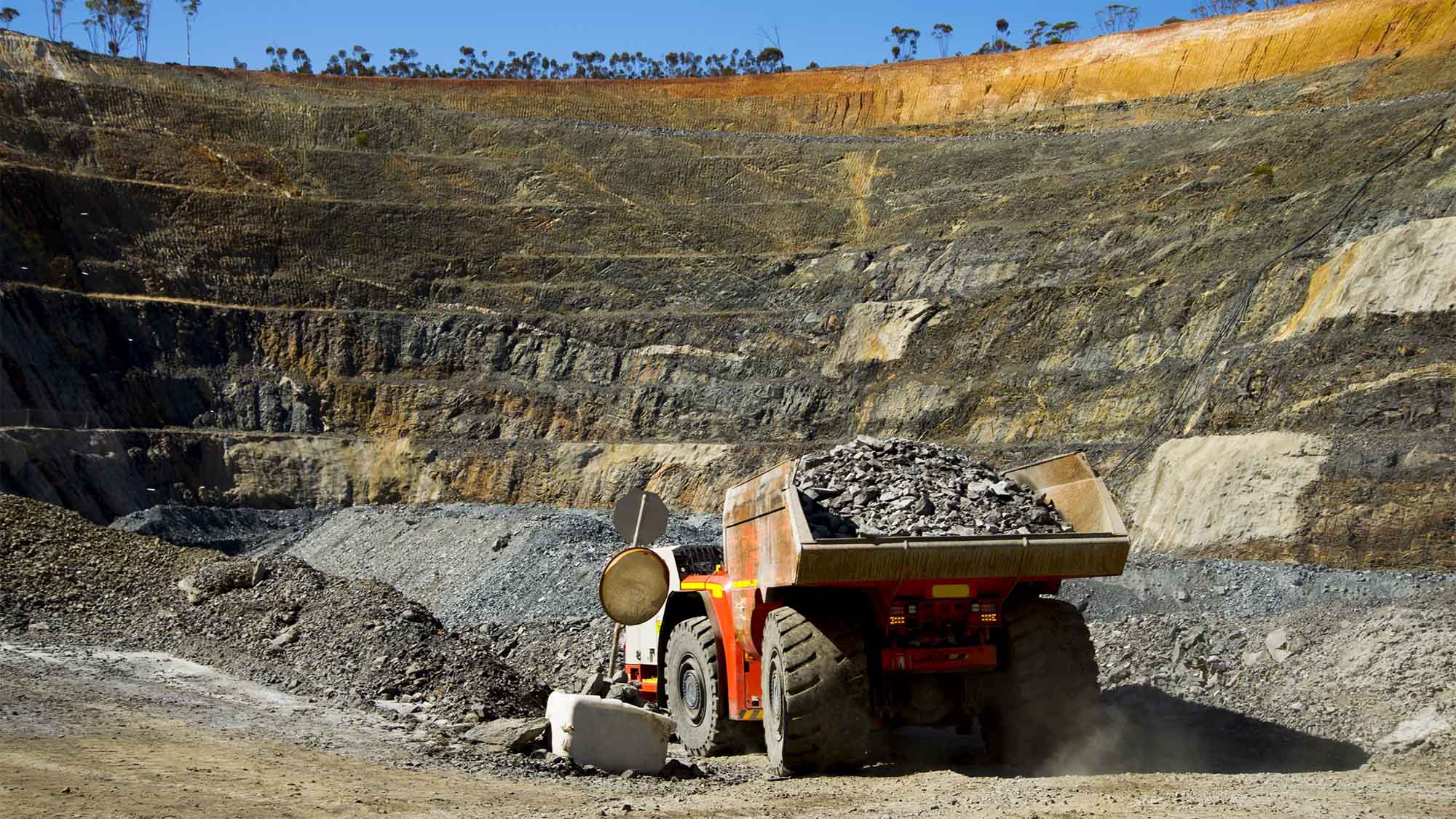
Minerals such as coal, gold and crushed stone remain underdeveloped despite their potential to transform the economy. (Pic: Shutterstock)