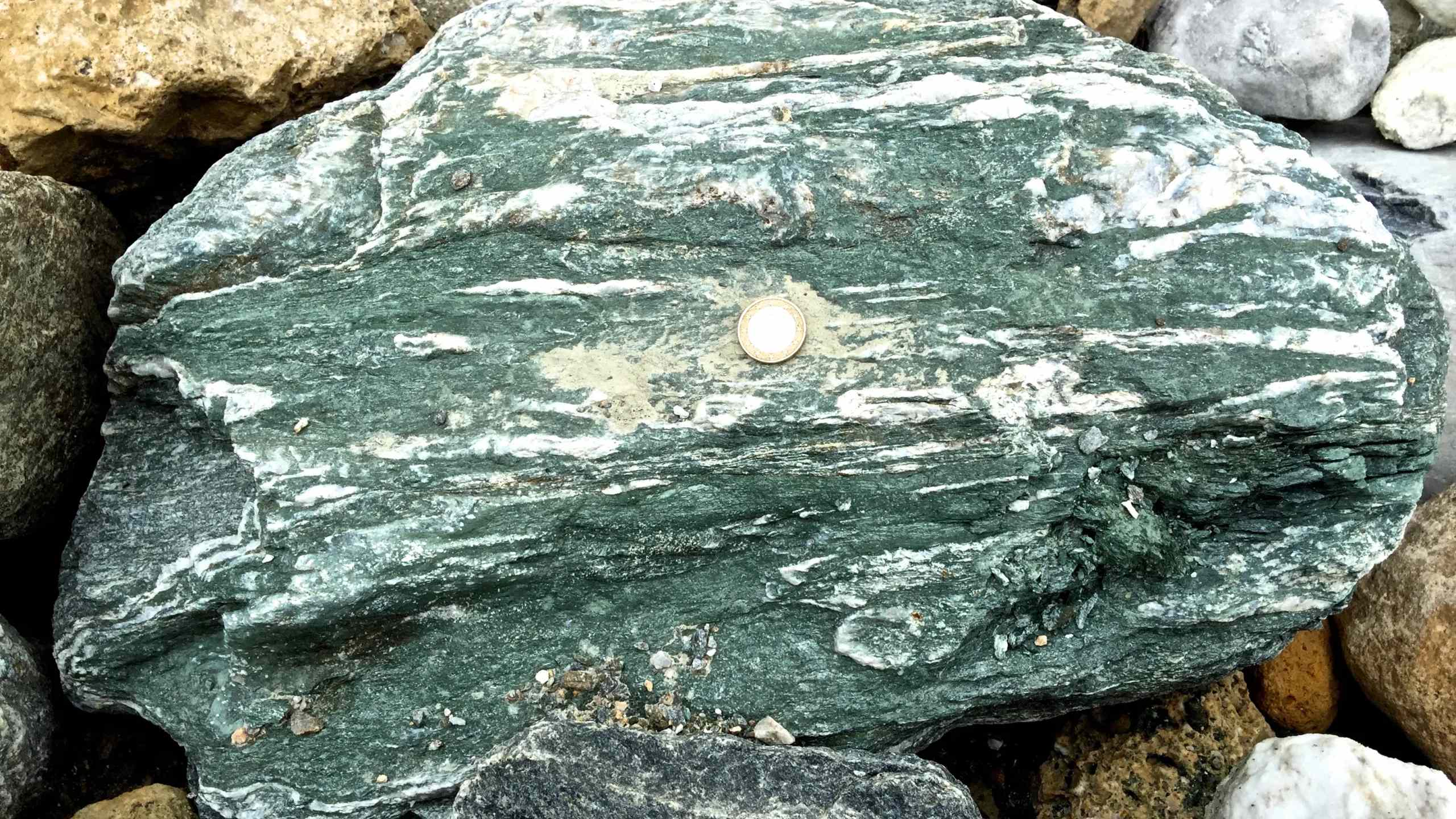
The green chert beneficiation story is a breath of fresh air in the country’s mining landscape. The mining industry has, traditionally, been focused on material extraction and exportation of minerals in that raw state. This model has yielded limited developmental dividends and outcomes. The country has a modest, but growing mining sector, with recent interest in coal, quarry and green chert minerals. As the country’s interest in extracting her mineral wealth grows, beneficiation and value addition must be entrenched in the value chain. These efforts should not only end with the green chert project, but should be expanded to the whole sector.
Beneficiation, value addition
To build a better understanding of these two concepts, we must begin by defining them. Beneficiation is described as the process of improving the physical or chemical properties of raw minerals to make them more suitable for further processing or commercial use. Value addition on the other hand refers to the process of converting beneficiated minerals into finished or semi-finished products that have higher market value. Based on the definitions, it is clear that the country stands to benefit more from value addition compared to beneficiation.
This is not to discount the positive steps taken to ensure that beneficiation occurs on Eswatini oil and the raw materials which will be exported in a better chemical state, to get better worth upon sale. We must commend all stakeholders involved in ensuring that beneficiation occurs on Eswatini soil. It sets a good precedent which can be transferred to other sectors. We expect, going forward, that new mining licenses and renewal of existing licenses shall enforce beneficiation on Eswatini soil.
Case of beneficiation, value addition
Local mineral beneficiation presents a compelling economic opportunity for the kingdom to shift from a resource exporting model to a value-creating industrial economy. By processing raw materials such as coal, green chert, diamonds and quarry products within its borders, the country can capture greater value across the supply chain. Ultimately, generating skilled employment, boosting fiscal revenues and stimulating small and medium enterprises growth in logistics, packaging and support services.
The proposed beneficiation of green chert, with its projected E31 billion mineral value and job creation potential, exemplifies how domestic transformation of minerals can anchor inclusive development. Moreover, beneficiation reduces vulnerability to global commodity price swings and strengthens Eswatini’s trade balance, by replacing raw exports with higher-value finished or semi-finished goods. In the context of rising youth unemployment and fiscal pressure, beneficiation is not just industrial policy - it’s a strategic lever for economic resilience and long-term growth.
Value addition presents a catalyst for transformative economic growth in Eswatini. It presents an opportunity to move beyond extraction into industrial development. If we structure our licensing arrangements to ensure that a portion of value addition occurs in the kingdom, we are able to ensure that we capture the market and export even higher value items. In the process we will create more jobs for the local economy as more value addition occurs internally. Also, this would ensure that Eswatini maintains a positive trade balance. In a region where infrastructure and employment gaps persist, mineral beneficiation is not just a technical upgrade, it’s a strategic lever for inclusive growth, industrial diversification and long-term economic sovereignty.
Challenges
Developing countries face a complex web of challenges in advancing mineral beneficiation, despite the sector’s potential to drive industrialisation and inclusive growth. Key constraints include inadequate infrastructure such as unreliable electricity, poor transport networks and limited water access which hampers the viability of processing facilities. A persistent shortage of skilled labour and technical expertise further limits the ability to operate and maintain beneficiation plants at competitive standards.
Additionally, many countries struggle with limited access to finance and technology, making it difficult to move up the value chain. Environmental concerns and social resistance, especially in communities affected by mining, add layers of complexity to beneficiation efforts. It is, therefore, imperative that we consider these challenges in our long-term planning and ensure that we are able to address them to transform the kingdom into an industrial hub.
Solutions
To overcome the challenges hindering mineral beneficiation, government needs to consider the following policy options. Adopt a coordinated strategy focused on infrastructure, policy reform and capacity development. Upgrading transport and energy systems, especially in mining zones and establishing mineral focused industrial parks to reduce operational costs and attract investment. Streamlining licensing procedures and offering targeted incentives, such as tax breaks or concessional financing would improve the regulatory environment and encourage local processing. Build technical skills through partnerships with universities and vocational institutions, alongside fostering technology transfer through joint ventures, can address the shortage of expertise.
Regionally, leverage Southern African Customs Union and Southern African Development Community frameworks to harmonise standards, expand market access and collaborate on shared infrastructure. Finally, embedding environmental safeguards and community engagement into beneficiation projects will ensure long-term sustainability and public trust. Together, these measures can unlock the full economic potential of Eswatini’s mineral resources while promoting inclusive industrial growth.
Conclusion
Mineral beneficiation and value addition can transform the country’s economy and drive industrial growth, job creation and trade resilience, while promoting inclusive, sustainable development across the mining sector.
The green chert beneficiation story is a breath of fresh air in the country’s mining landscape. (Pic: Geology Science)