MBABANE – Government ministries and departments are facing 29 operational challenges affecting service delivery across key sectors, according to official information compiled from multiple institutions.
The issues cut across staffing, transport systems, procurement processes and infrastructure maintenance, and are increasingly reflected in delayed or reduced public services.
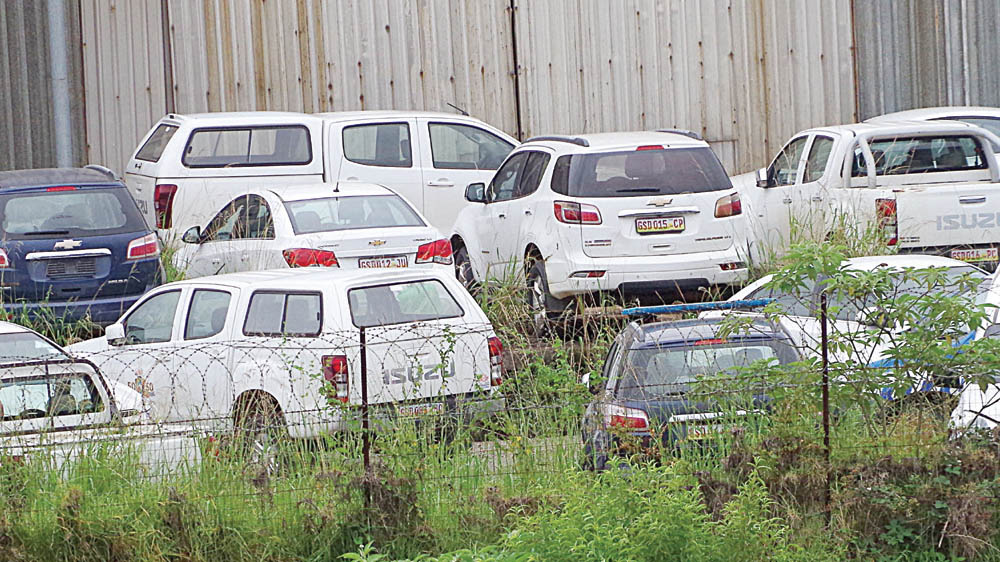
At the centre of the findings is a repeated pattern of administrative measures intended to reduce costs, including fuel rationing, staffing constraints and delayed investment in systems and infrastructure.
These are contributing to operational breakdowns that affect service delivery to citizens.
Across sectors, demand for services is rising faster than institutional capacity, resulting in delays, backlogs and reduced coverage in key public functions.
This has created conditions that collectively affect the speed and efficiency of public service delivery.
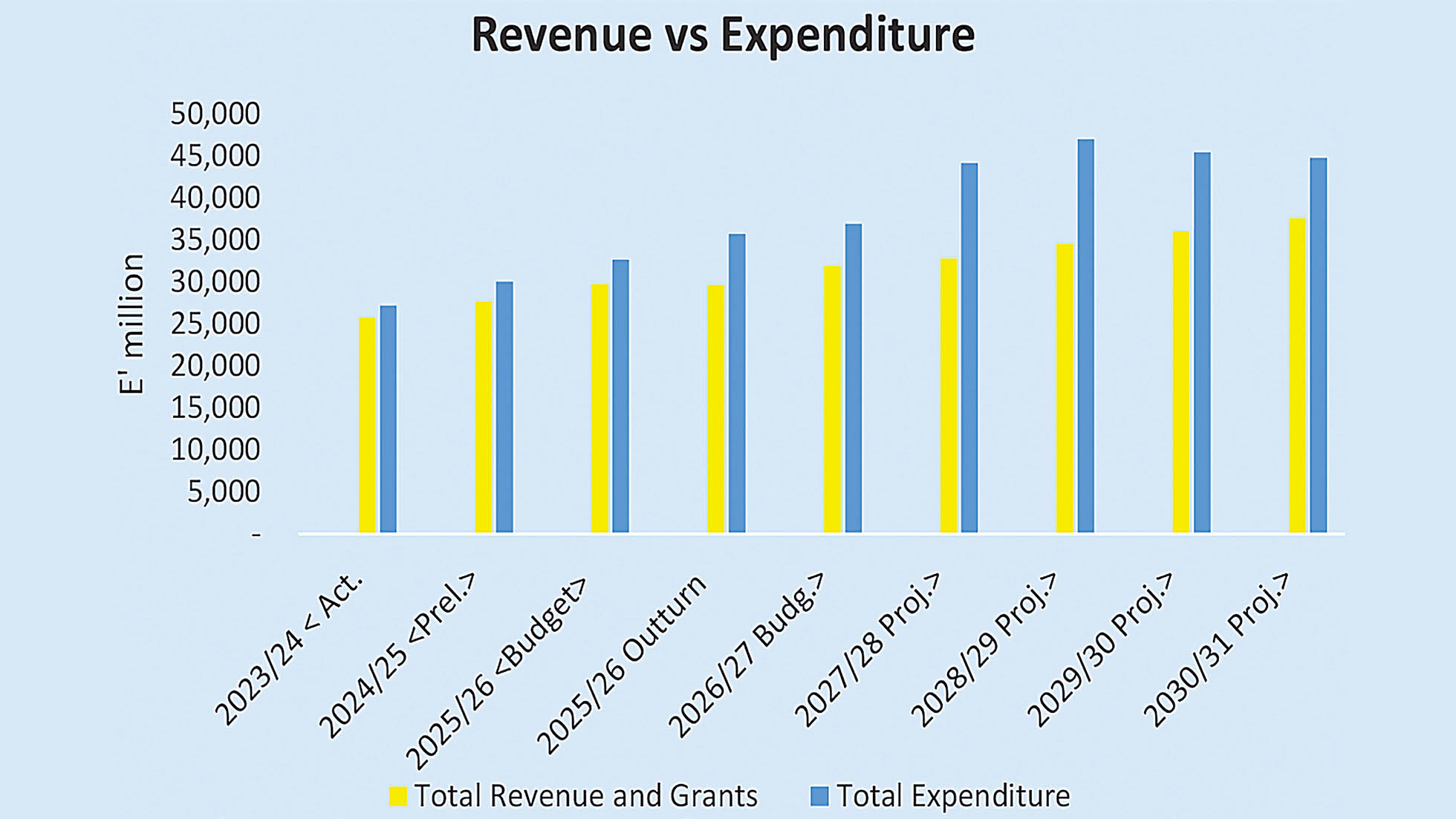
At the core of the findings is a consistent structural issue: Attempts to contain costs within departments are coinciding with rising operational demand, resulting in delays and reduced service coverage across multiple sectors.
These challenges span key sectors, according to official information compiled in annual reports submitted by 18 ministries and departments.
The reports, covering a nine-month period, indicate that these factors are collectively affecting the efficiency and delivery speed of public services nationwide.
For citizens, the effect is increasingly visible in services that take longer to arrive, reach fewer people or are not delivered at all.
The reports show that budget inefficiencies are the most dominant challenge, cutting across nearly the entire government. In the Ministry of Education and Training, day-to-day operations are constrained by rising costs of fuel and teaching materials. The ministry operates within tightening budgets that limit its ability to respond effectively.
The Ministry of Health faces fiscal instability driven by external donor policy shocks and rising demand for services. While external factors play a role, the inability to stabilise internal financing structures compounds the problem.
Within the Ministry of Finance, the institution tasked with managing public funds, delays in administrative processes and approval systems are slowing implementation of critical programmes such as the UMSEBE IFMIS system. The absence of a dedicated project management unit further threatens efficiency and long-term capacity building.
The Ministry of Foreign Affairs and International Cooperation illustrates how cost avoidance leads to higher expenditure. The lack of a dedicated maintenance budget for government properties abroad has resulted in deterioration, creating deferred costs that will require more expensive repairs in future. Inadequate funding for diplomat health insurance also exposes government to legal and financial risks in host countries.
*Full article available on Pressreader*