

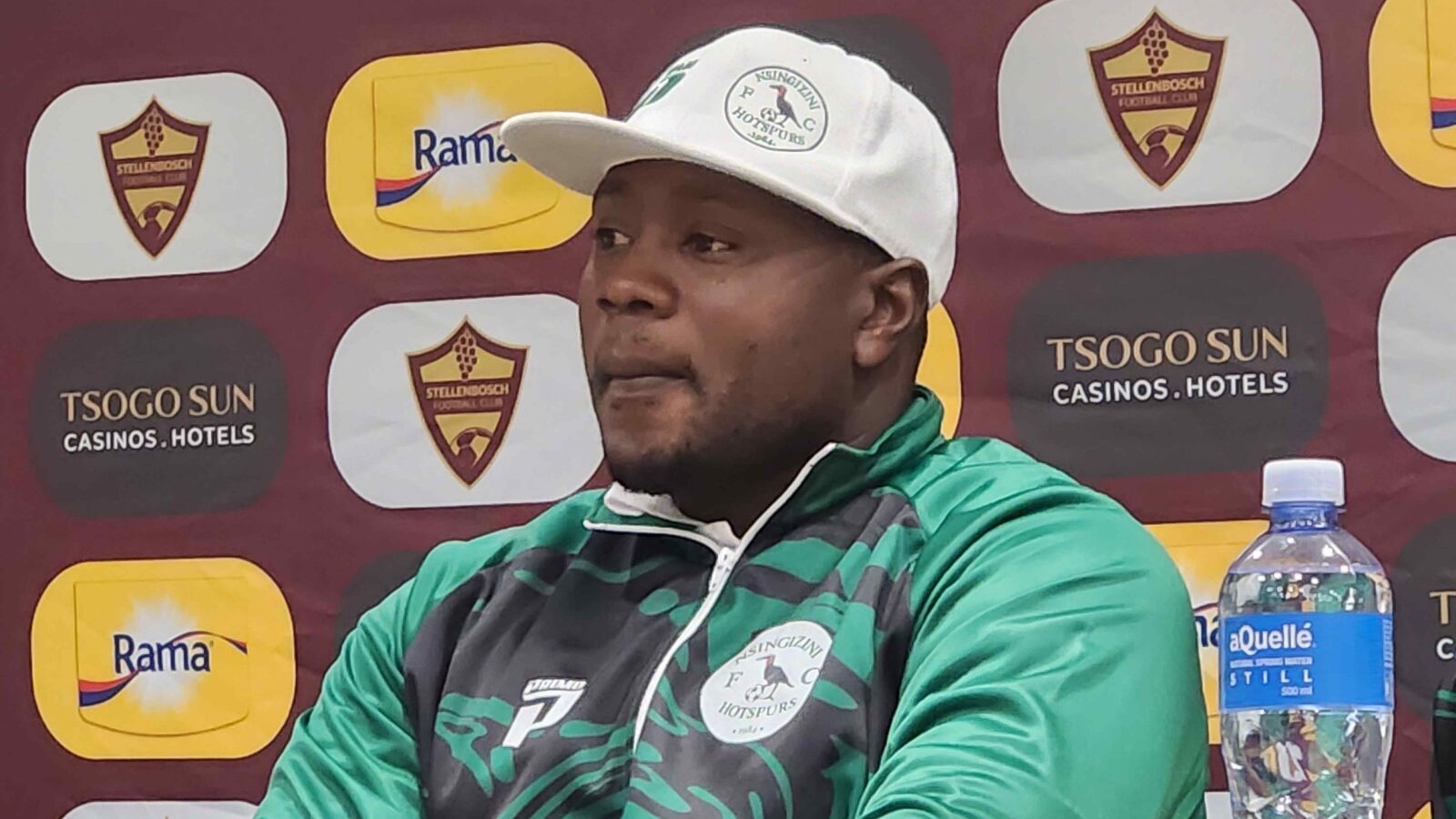
MBABANE – Revealed.
After months without a dedicated tactician, Mbabane Highlanders AM, the capital city giants, look set to finally appoint a new head coach, if recent reports are anything to go by.
Speculation has been rife regarding potential candidates, with several high-profile names emerging. Reports suggest that Ikabort Masocha, who was appointed coach of Zimbabwe’s Castle Lager Premiership side Yadah in February this year, is a strong contender. Yadah, owned by Prophet Magaya, had cited Masocha’s vast coaching experience as the reason for his appointment. According to Pan African Football, the CAF A-Licence holder previously managed clubs like Harare City before moving to Eswatini. Masocha was reportedly earning E20 000 when he left Eswatini for Harare City last June on a six-month deal. This move followed his decision not to renew his short-term contract with Ezulwini United, whom he successfully guided to Premier League survival. Locally, he has also had stints as head coach at Denver Sundowns, Manzini Wanderers and Moneni Pirates before joining Ezulwini. Masocha expressed enthusiasm about the prospect of joining ‘Inkunz’emnyama’.
“That would be some great piece of news for me. I was once linked to Highlanders before and ended up next door. I hope it is a true story this time,” he stated. Another name frequently mentioned is Alexio Sigion, the former Nsingizini Hotspurs gaffer. The ex-Ngezi and FC Platinum coach took on his role in Eswatini at the beginning of last year, aiming to bring a fresh perspective to the Nsingizini dugout. Sigion had replaced the current Moneni Pirates Head Coach, Meck Mwase, on a reported two-year deal. However, he resigned during the first week of February this year before joining his hometown club CAPS United of Zimbabwe as an assistant coach.
Notably, Sigion holds a Confederation of African Football (CAF) A Licence. He led reigning MTN Premier League champions Nsingizini Hotspurs to a third-place finish in the 2023/24 season, which secured them a spot in the 2024/25 CAF Confederations Cup after Green Mamba’s withdrawal. Sigion neither confirmed nor denied the reports, stating only, ‘I will get back to you’.
Full story in today’s paper.










Leave a comment