Madam,
It is with both concern and a measure of incredulity that I respond to the recent statistics placing the Kingdom of Eswatini fourth in Africa for national obesity prevalence. This ranking should provoke sober reflection not only among health professionals and policymakers in Eswatini, but across the continent. Obesity is far more than a matter of individual appearance: It is a powerful determinant of population health, a multiplier of healthcare costs and a bellwether of social and economic transitions that require urgent, coordinated responses.
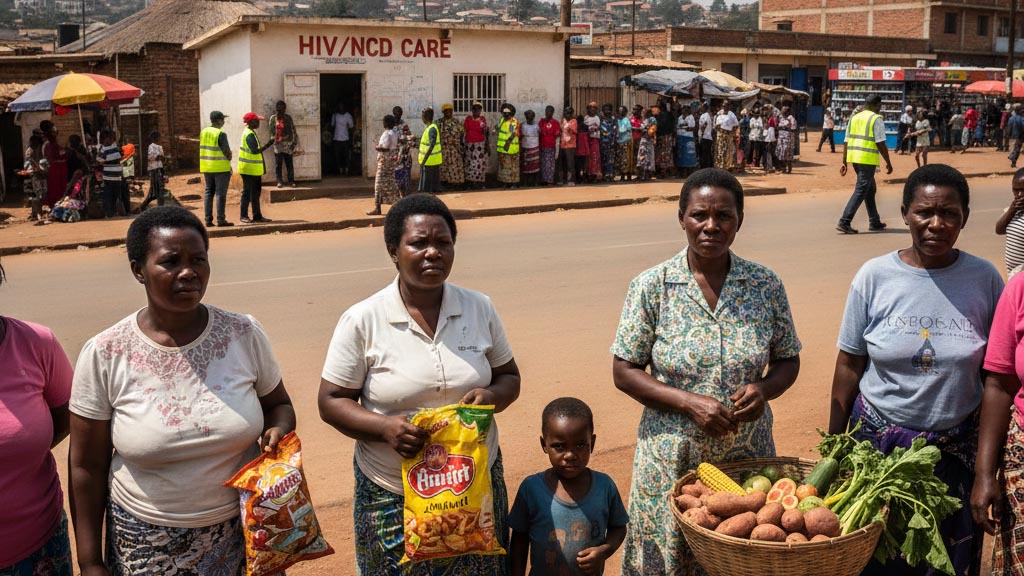
Firstly, the figure itself must be understood in context. Obesity at a national level is commonly driven by an interplay of dietary change, reduced physical activity, urbanisation, marketing of unhealthy foods and socio-economic forces. In many low- and middle-income countries, simultaneous burdens of undernutrition, infectious disease and rising non-communicable diseases (NCDs) create complex public-health landscapes. Eswatini is no exception: the country continues to confront high HIV prevalence and the longstanding challenges of poverty and food insecurity alongside a rapid growth in overweight individuals and obesity. The juxtaposition of these problems can strain systems ill-equipped to manage chronic care while addressing acute needs.
From a health perspective, the implications of widespread obesity are profound. Excess body weight significantly increases the risk of type 2 diabetes, hypertension, cardiovascular disease, certain cancers, osteoarthritis and mental-health disorders. For Eswatini, where health services have historically been focused on communicable diseases and maternal–child health, an obesity-driven surge in NCDs threatens to overwhelm clinical services and divert scarce resources. Chronic diseases require long-term management, monitoring and medications - services that are often costlier and more resource-intensive than those for many infectious illnesses. In a nation with constrained health budgets, the long-term fiscal impact could be substantial, with knock-on effects for workforce productivity and household incomes.
There are also equity dimensions to consider. Obesity prevalence often varies by income, education and geographic region.
In some settings, the poorest bear a disproportionate burden because energy-dense, nutrient-poor foods are cheaper and more accessible than healthier options. Urban residents may have more sedentary lifestyles and greater exposure to processed foods through supermarkets and fast-food outlets. Women, too, often exhibit higher obesity rates in sub-Saharan Africa due to complex cultural, reproductive and socioeconomic factors. Unless interventions are equity-centred, they risk widening existing health inequalities rather than closing them.
The dietary environment is central to this problem. A shift from traditional diets high in fibre, legumes and locally grown produce to diets dominated by processed foods rich in sugar, saturated fats and salt has been documented across the continent. Aggressive marketing by multinational food corporations, easy credit and urban convenience have accelerated this dietary transition. Without fiscal and regulatory countermeasures - such as excise taxes on sugar-sweetened beverages, restrictions on marketing to children, front-of-pack labelling and incentives for fruit and vegetable production - market forces will continue to favour unhealthy products.
Physical activity patterns have also changed. Urban planning that prioritises private vehicles over walking and cycling, along with unsafe or non-existent public spaces for exercise, has reduced daily energy expenditure. Public health strategies must therefore extend beyond health services and into transport, housing and education sectors to redesign environments that make healthy choices easier.
Policy response should be multi-sectoral and evidence-based. Firstly, the Ministry of Health and partners should strengthen surveillance systems to monitor obesity, NCDs and associated risk factors disaggregated by age, sex and socio-economic status.
This data is essential for targeted action. Secondly, community-based prevention programmes - focusing on early childhood nutrition, school meals and health literacy - can shape lifelong habits. Schools are especially potent settings for instilling healthy eating and physical activity patterns and for limiting exposure to unhealthy food marketing.
Fiscal and regulatory measures deserve serious consideration. Targeted taxes on sugar-sweetened beverages have reduced consumption in multiple countries and can generate revenue to fund health promotion. Simultaneously, subsidies or other incentives for locally produced fruits, vegetables and whole grains could improve access to healthier options and support local agriculture. Legislation to regulate marketing of unhealthy foods to children and mandatory, clear labelling would empower consumers to make better choices.
Crucially, primary-care services must be reoriented to manage NCDs effectively.
Training health workers in detection and management of obesity-related conditions, integrating services for chronic disease with HIV and maternal care where appropriate, and ensuring affordable access to essential medicines will be necessary. Community health workers can play a valuable role in prevention, early detection and adherence support. Civil society, traditional leaders and religious organisations have important roles to play. Cultural norms and social networks influence behaviours; harnessing these through respectful, community-led interventions can increase acceptance and sustainability. Public messaging should avoid stigma and victim-blaming, emphasising supportive environments and practical steps for healthier living.
Finally, international partners and donors must recognise that investment in NCD prevention and control is an investment in economic development. The returns - in reduced healthcare expenditure, increased labour productivity and improved quality of life - are substantial. Eswatini’s ranking is a wake-up call. It is not merely a statistic to be shrugged off or a matter for finger-pointing; it is a prompt for decisive, inclusive action. Tackling obesity demands policies that address the entire system - from farms to schools, markets to clinics - and that place equity at their core. If Eswatini and its partners respond with urgency and imagination, the country can reverse this trend and protect the health of current and future generations.
From a health perspective, the implications of widespread obesity are profound.