SIDVOKODVO – Substance abuse, particularly alcohol and dagga use, is a major driver of gender-based violence (GBV), a government official has warned.
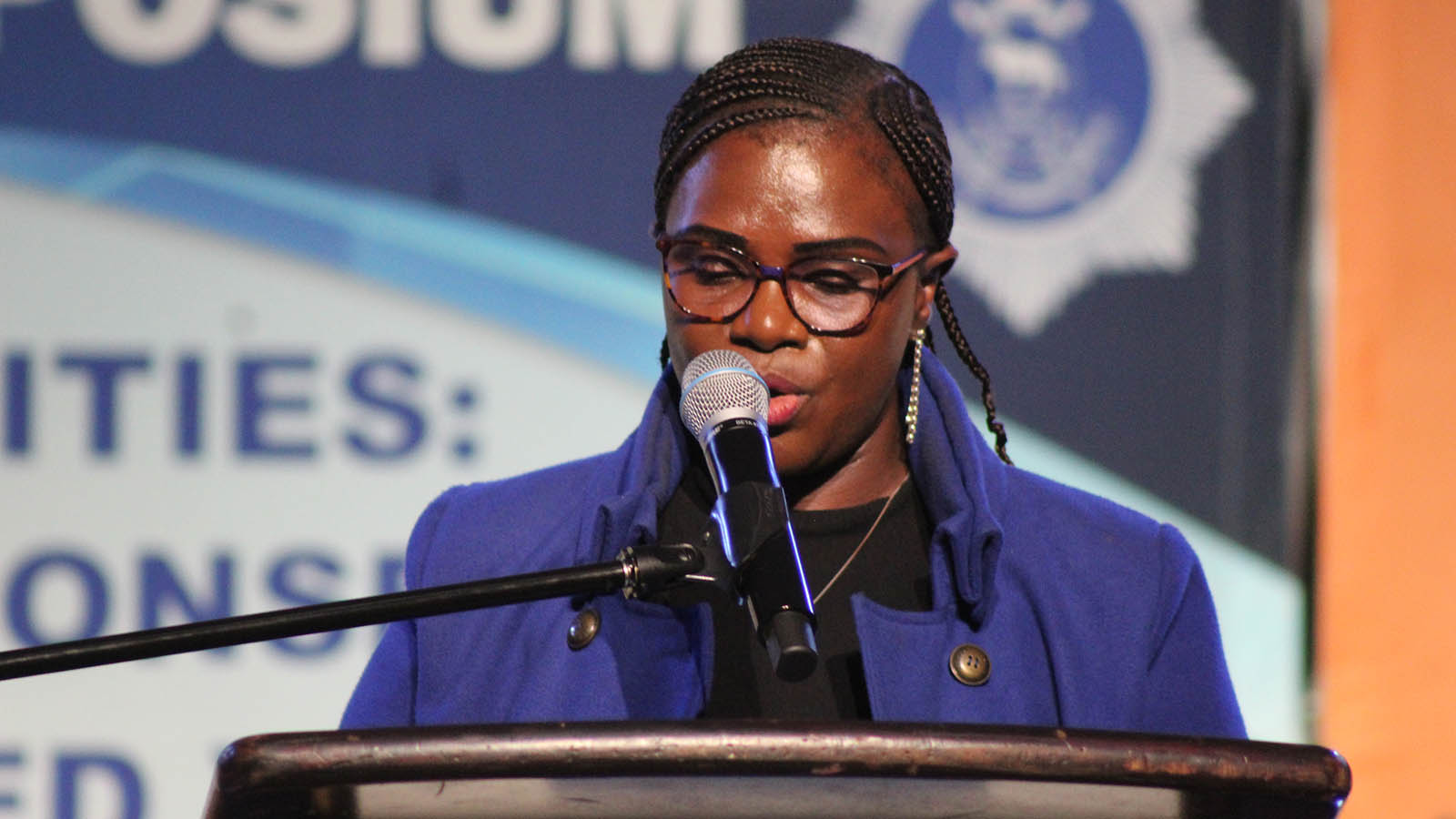
Gender-Based Violence Department official Gcina Dlamini said the proliferation of informal alcohol outlets increased vulnerability, particularly among young people.
She called for dagga use to be treated as a national crisis, saying its growing prevalence contributed to instability and violence in homes and communities.
On child protection, Dlamini urged stricter monitoring of money given to children, warning that financial freedom without oversight exposed minors to exploitation. She also cautioned parents against sending children to buy alcohol, saying this normalised substance exposure at an early age.
She called for rehabilitation centres to be established in all regions, saying current treatment infrastructure remained inadequate.
Turning to legal reforms, Dlamini said inconsistencies in age definitions across legislation weakened child protection systems. She raised concern over provisions allowing marriage at 16 under certain conditions, calling for uniform legal standards.
She further said polygamous marriages should promote transparency and involve the first wife in subsequent unions to reduce household conflict and abuse.
A controversial suggestion that women should also be allowed multiple spouses generated mixed reactions among participants.
Dlamini also called for repeat GBV offenders to be denied bail and urged the establishment of specialised GBV courts to fast-track cases and improve conviction rates.
She highlighted cyberbullying and online harassment as emerging forms of GBV requiring urgent legal and policy intervention.
Dlamini said poor reporting, weak investigations and delays in medical examinations continued to undermine prosecutions, particularly in child-related GBV cases.
She warned that delays in examining child victims often compromised forensic evidence, resulting in weak or failed prosecutions.
Dlamini also raised concern that abuse against men remained underreported. While police services were accessible to all survivors regardless of gender, she said social stigma continued to silence many victims.
She identified the shortage of safe shelters as a major gap, saying many survivors were forced to return to abusive environments because of a lack of temporary accommodation, exposing them to further harm and trauma.
Judiciary calls for 15-year minimum sentence for rape offenders
SIDVOKODVO – Principal Magistrate David Khumalo has called for a mandatory minimum 15-year sentence for rape offenders to strengthen deterrence.
Speaking during the National Gender-Based Violence Indaba, Khumalo said rape should attract consistently severe punishment across all courts to restore public confidence in the justice system.
He said courts already imposed lengthy custodial sentences in serious GBV cases, citing a 30-year sentence without the option of a fine for first-time offender Muntu Samson Dube, a 50-year sentence for Hassin Kassasa and a 40-year sentence for Muzi Petros Khumalo, who murdered his wife.
Khumalo said sentencing should be strengthened through legislative reform, arguing that rape cases required a clear statutory minimum to eliminate inconsistencies in judicial outcomes.
He also called for repeat GBV offenders to be denied bail, saying habitual offenders posed an ongoing risk to victims and communities.
Khumalo noted submissions calling for specialised GBV courts to fast-track cases, reduce delays and prevent prolonged trauma to victims as well as the weakening of evidence over time.
While courts were working to expedite GBV matters, he acknowledged that systemic challenges continued to undermine effective prosecution.
He said lasting change would only be achieved through coordinated prevention efforts, stronger institutions and community responsibility in addressing GBV at its root.
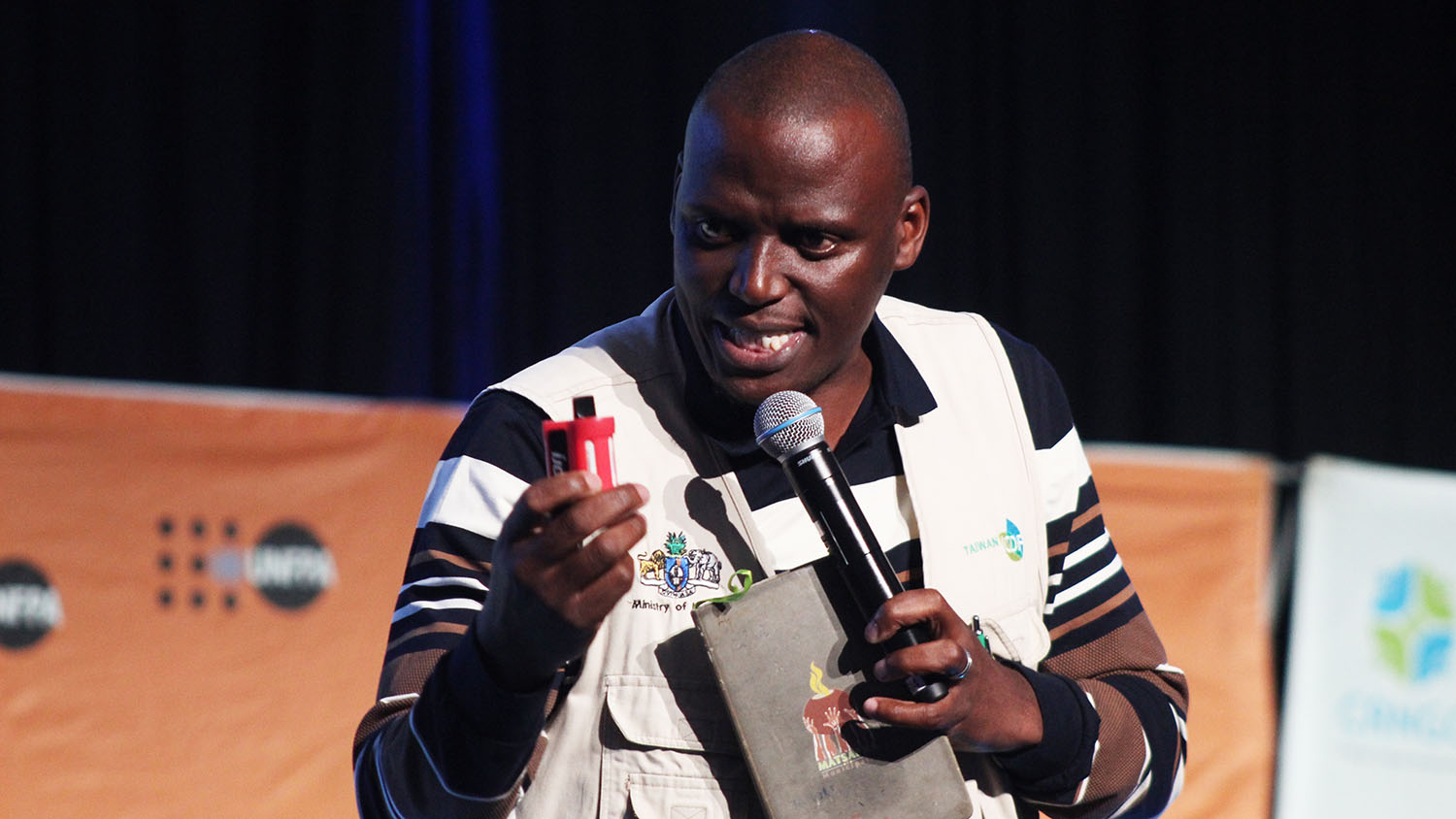
Vapour products should be banned – Health official
SIDVOKODVO – Vapour products should be banned because they remain poorly regulated and pose growing health risks, particularly to young people.
Health Department official Musa Shabangu said existing tobacco regulations did not adequately cover vapour products and called for urgent policy reforms to bring them under stricter controls or remove them from the market.
He warned that increasing use of such products could place additional pressure on the health system as more users developed respiratory complications requiring long-term medical care.
Shabangu also called for higher taxes on tobacco products and urged government to reject tobacco industry donations, arguing that the sector contributed to wider public health challenges.
He said excise, or ‘sin taxes’, collected from tobacco should be channelled towards strengthening the health system, particularly as substance-related illnesses continued to increase hospital admissions.
He further stressed the need for stronger regulation of emerging nicotine and vapour products, saying they remained poorly controlled and required urgent legislative attention.
Prevention key to ending GBV in Eswatini – UNFPA
SIDVOKODVO – Prevention must become the cornerstone of Eswatini's response to gender-based violence, the United Nations Population Fund (UNFPA) has urged.
Speaking during the National Gender-Based Violence Symposium at the Luke Commission yesterday, UNFPA Officer-in-Charge Thamary Silindza said strengthening support services for survivors remained critical, but GBV could not be eliminated without addressing its root causes.
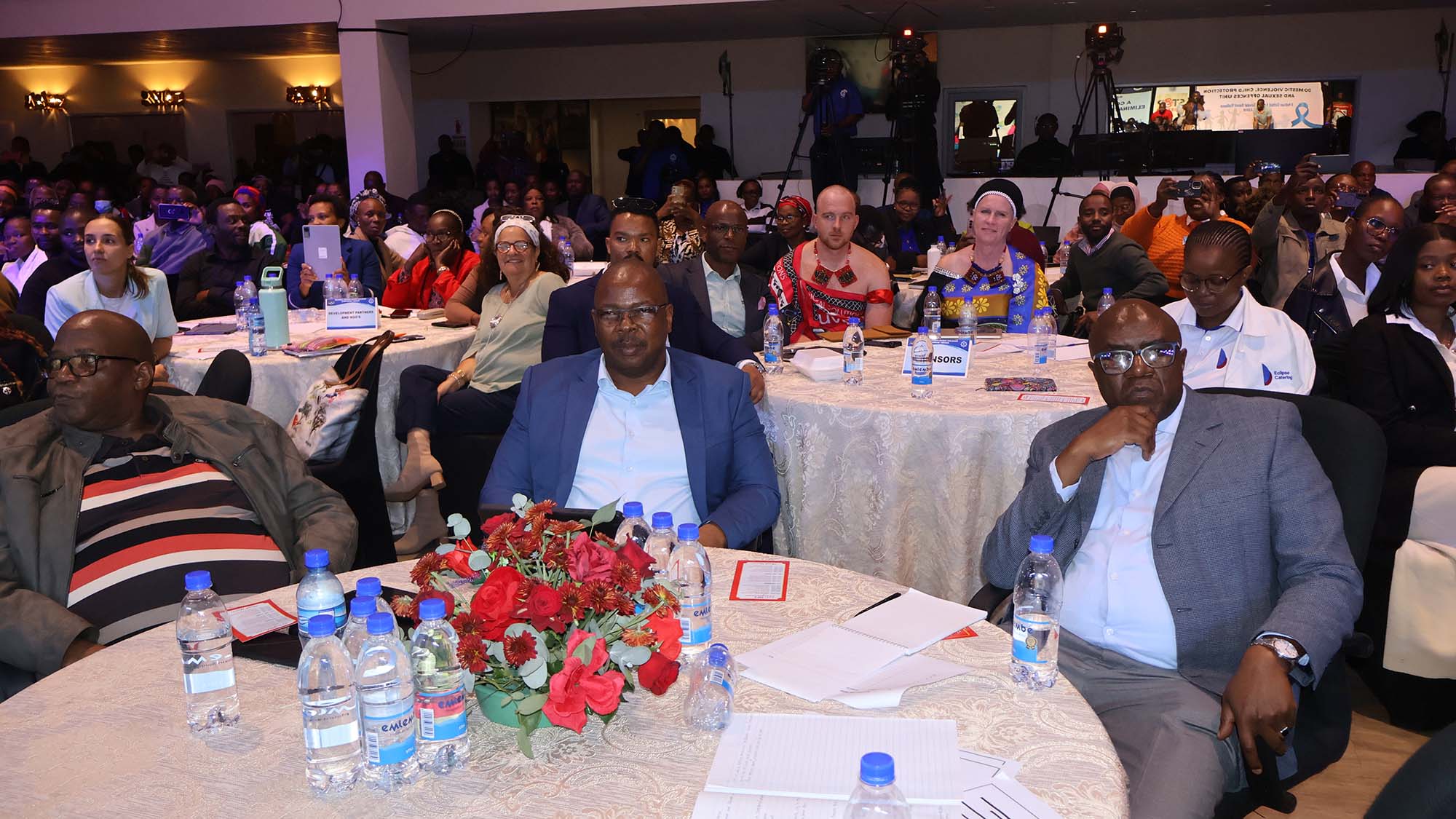
The symposium, convened by the Royal Eswatini Police Service under the theme “Safer Communities: A Collective Response to Eliminating GBV”, brought together government leaders, law enforcement agencies, civil society organisations, traditional and religious leaders, development partners and organisations representing persons with disabilities.
Silindza described GBV as one of the most widespread human rights violations, with consequences extending beyond survivors to families, communities and national development.
She said GBV left lasting physical, emotional, social and economic scars, making it a significant barrier to sustainable development and an inclusive society.
The UNFPA representative highlighted that women and girls living with disabilities faced heightened risks of violence, discrimination and exclusion, while also encountering barriers to protection, justice and support services.
“It is crucial to note that persons with disabilities, particularly women and girls with disabilities, often face heightened risks of violence, discrimination and barriers to accessing protection and support services,” she said.
Silindza said every woman and girl had the right to live free from violence, coercion and discrimination, adding that ending GBV was both a moral obligation and a development imperative.
She commended the Government of Eswatini and the Royal Eswatini Police Service for efforts to strengthen prevention, protection and response mechanisms, while recognising the critical role played by police officers as first responders for victims seeking safety and justice.
According to Silindza, survivor support services must remain accessible and responsive to everyone, including persons with disabilities.
She said UNFPA continued to work with government, civil society organisations, communities, organisations of persons with disabilities and development partners to strengthen national efforts to prevent and respond to violence.
Support included strengthening survivor-centred services, improving stakeholder coordination, building institutional capacity, generating evidence and promoting social norms that advance gender equality and respect for human rights.
However, Silindza stressed that responding after violence occurred would never be sufficient.
“Prevention must remain at the heart of our efforts,” she said.
She called for greater involvement of men and boys as allies in the fight against GBV, while advocating for the empowerment of women and girls and the promotion of healthy relationships among young people.
Silindza also urged stakeholders to confront harmful cultural and social norms that continued to normalise violence and unequal power relations.
She said gender-transformative approaches were needed to address the root causes of inequality and encourage attitudes and behaviours that supported equality and non-violence.
The UNFPA official emphasised that eliminating GBV required a collective response and could not be achieved by any single institution acting alone.
She said stronger collaboration was needed among government ministries, law enforcement agencies, traditional authorities, faith-based organisations, civil society groups, organisations of persons with disabilities, communities and development partners.
As discussions continued, Silindza encouraged delegates to focus on practical and sustainable solutions that would strengthen prevention initiatives, improve survivor support services, increase accountability and ultimately reduce violence across the country.
She also called for greater inclusion of persons with disabilities in prevention and response programmes, saying their vulnerabilities and needs should not be overlooked.
Silindza reaffirmed UNFPA's commitment to supporting Eswatini through strengthened coordination, advocacy and implementation of national strategies aimed at ending violence against women and girls.
She said safer communities could only be achieved through collective action to eliminate GBV in all its forms and ensure no one was left behind.