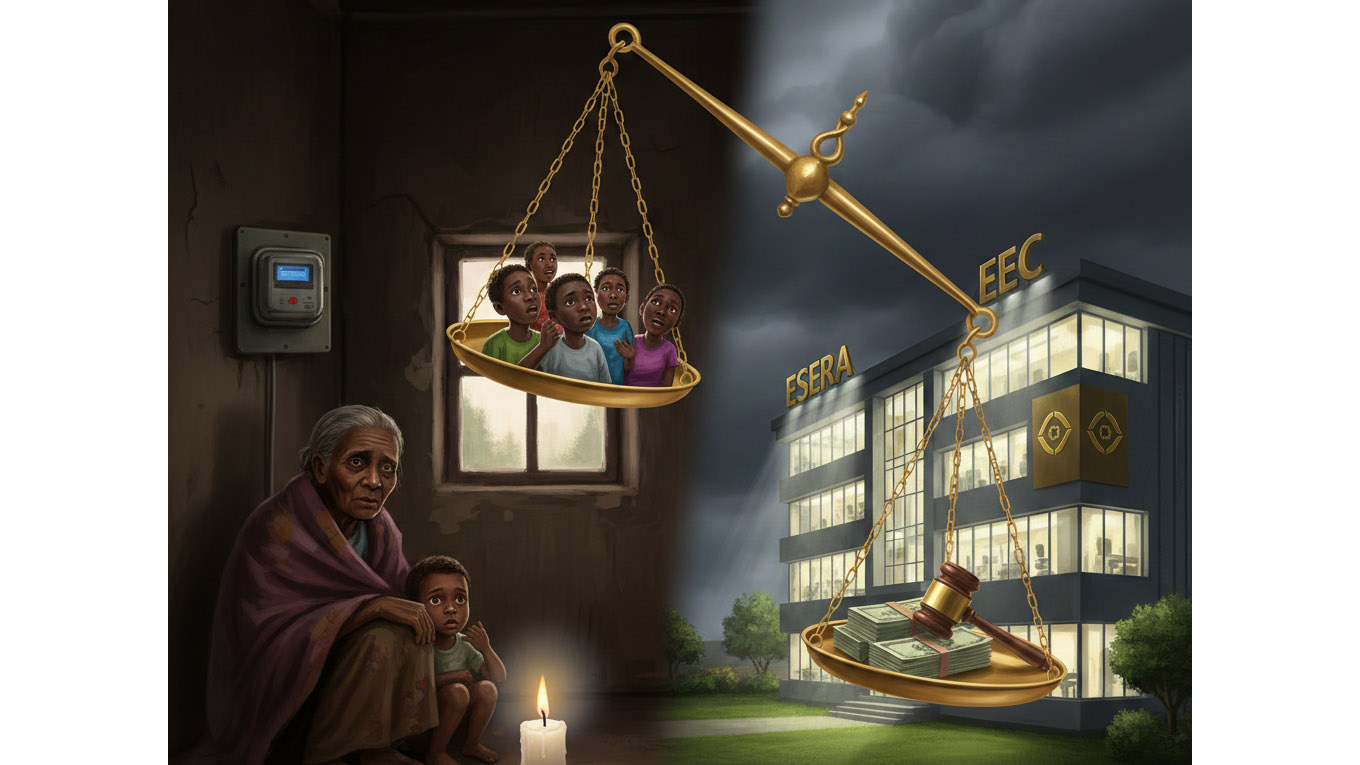
Before I delve on Eswatini Energy Regulatory Authority’s(ESERA) disappointing decision, I would like to make a comment on the recent reported visit by the Teaching Service Commission to urban schools.
It concerning that the form V results are out and it has been reported that some schools have performed badly.
In fact, there is one high school in the Shiselweni region that has been part of these statistics for years. Parents’ call for change in the school administration hit a snag as the ministry leadership refused the parents’ proposal. As a guardian and former pupil, I made an attempt to reach out to the Shiselweni Regional Education Office, the Principal Secretary’s Office and even SNAT leadership where I raised concerns that the future of the children at this school was at stake. Nothing happened!
It is surprising that the TSC leadership has decided to visit urban schools, instead of paying attention to the worst performing schools. The urban schools are generally doing well and are well-resourced.
Why does TSC want to change what is not broken? Why focus on trivial issues like dress code when it must concern itself with serious issues affecting schools and teachers? The chair of TSC is a well-seasoned educator and must use this opportunity to impact the education sector and leave a lasting legacy.
Back to the topic for today. The public has been waiting anxiously for ESERA to come up with a decision on proposed electricity tariffs. The public outcry during consultation was loud and clear:
The increases will not be affordable for the poor and small business enterprises.
ESERA has announced that for E100, one will get 34 units, according to information published in mainstream and social media. What was the use of public hearings? Does the voice of consumers matter? Is ESERA self-serving or only has the interests of the Eswatini ElectricityCompany and government?
It is concerning that the Members of Parliament elected to serve the voters’ interests seem silent in the midst of the unprecedented increase. Of course, they will not feel the pressure as they continue to be well paid by government and, hence, this increase will not hit their pockets. Do MPs care about those who voted them in? I think they don’t, there are allegations that some bought their seats through food parcels and money distribution.
It seems it is time to recoup the money they spend canvassing for their positions.
This brings to sharp focus the argument: Are elections worth voters’ interest? Maybe not because they end up benefitting those who get elected as opposed to voters, while those charged to ensure election laws are followed seem indifferent.
It is time voters refuse to be bought, but elect people who will be fully accountable to them and will fight their course, as opposed to this situation where the elected are silent on matters negatively affecting their constituencies.
It is clear that this action by ESERA, will force the poor and vulnerable to resort to candle lighting system, as it seems electricity is beyond reach. A good example is the elderly and disability grant that remains little.
FESBIC and BUFE have already sounded the alarm that the small business enterprise will not survive this increase. In a country with high levels of unemployment, this spells doom to employment in the SME sector in this country.
Why is government silent?
When this issue was debated in a WhatsApp group, I was shocked when someone in this group boldly argued: “Government has no money.” No money to cushion the poor and vulnerable in this country.
This is because other activities that government deems important to her are never affected when resources shrink.
These include increased pay for politicians, wasteful spending, as often raised by the auditor general and the inability to fight corruption that drains government’s scarce resources, just to mention a few.
It is common knowledge that governments are there to serve the interests of the citizens. It is indeed an opportunity for government to step in and announce a budget to subsidise electricity and cushion the poor and small businesses.
One will not blame EEC for requesting increases because there are costs this business incurs to bring lights to our houses and businesses. Yes, the public has also been requested to tighten their belt as they navigate the fiscal challenges the company is facing.
Consumers action
Consumers must also be actively involved in consumer associations so that these associations are well resourced, they should elect and rotate leadership and establish sustainable offices managed by professionals.
Advocacy cannot be outsourced; consumers must be heard.
May government consider rescuing struggling consumers!
Blaming the multiparty political system is not being honest about governance ills!
ESERA has announced that for E100, one will get 34 units, according to information published in mainstream and social media. What was the use of public hearings?