

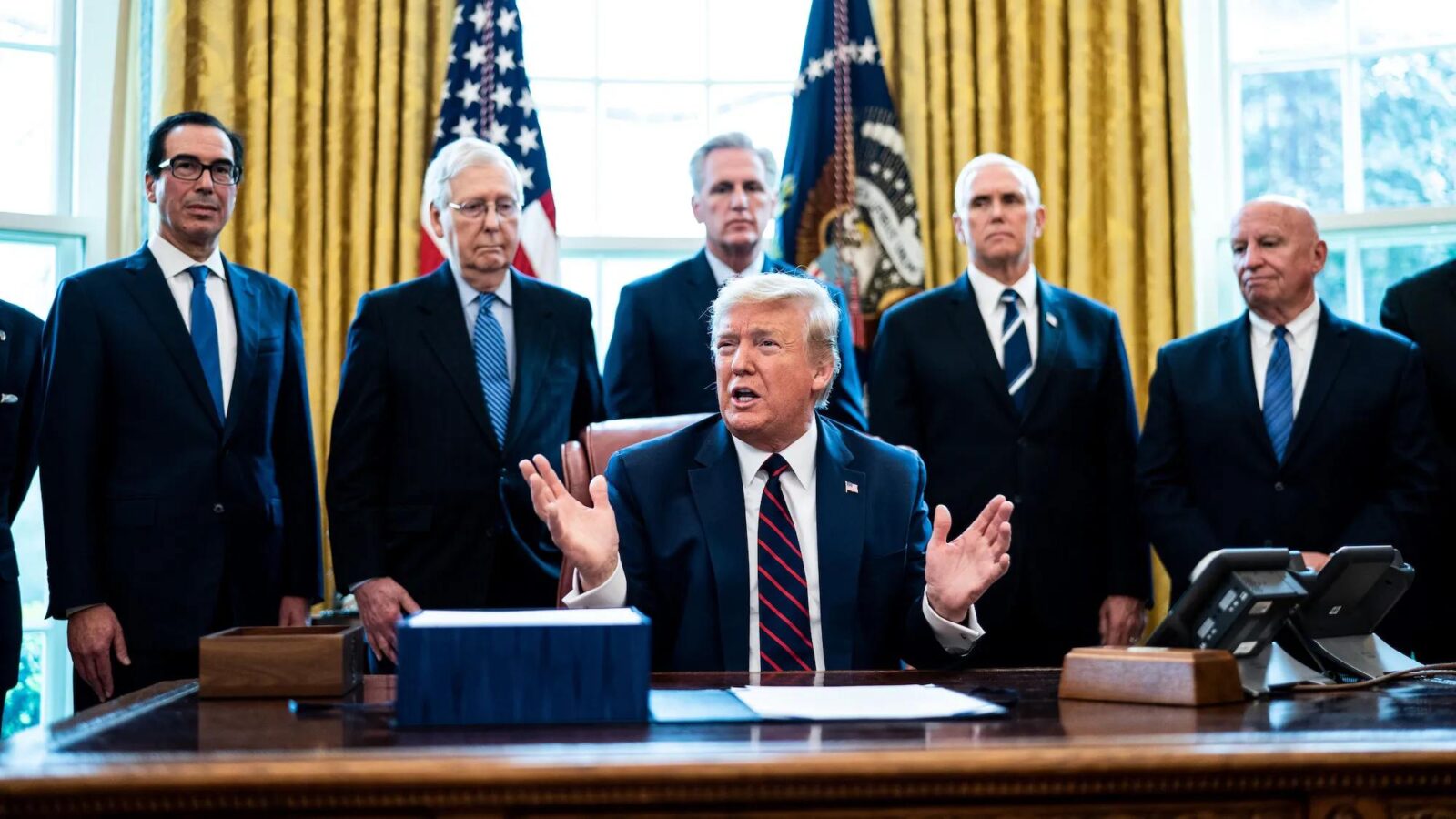
As the August 1, 2025, tariff deadline looms, Eswatini finds itself at a critical juncture in its trade relationship with the United States (US). While the kingdom has thus far avoided the steep 30–50 per cent tariff hikes imposed on other African nations, the existing 10 per cent baseline tariff introduced in April remains in place. With no formal exemption announced, Eswatini’s exporters, policymakers and investors are bracing for potential ripple effects—both direct and indirect.
Status quo
The Trump administration’s reciprocal tariff strategy has reshaped global trade dynamics. Designed to pressure countries into accepting immigrants and renegotiating trade terms, the policy has led to sweeping levies on dozens of nations. For Eswatini, the 10 per cent tariff applies broadly to exports entering the US, including textiles, sugar and processed foods. While this rate is lower than those faced by regional peers like South Africa (30 per cent), it still erodes competitiveness and raises questions about long-term market access.
Export vulnerabilities
Eswatini’s direct trade with the US is modest – averaging just 1.4 per cent of total exports between 2021 and 2024. However, the country’s export-oriented manufacturing sector is highly sensitive to external shocks. Key industries such as textiles, sugar and food processing rely on preferential access under the African Growth and Opportunity Act (AGOA). The 10 per cent tariff undermines these preferences, especially given Eswatini’s underutilisation of AGOA benefits. Without targeted relief or renegotiated terms, these sectors risk contraction, job losses and reduced foreign exchange earnings.
Domino effect
Eswatini’s economic destiny is tightly linked to South Africa, which accounts for over 70 per cent of its imports and 64 per cent of its exports. The imposition of a 30 per cent tariff on South African goods—including vehicles, citrus and machinery – has triggered second-round effects. As South Africa’s export volumes decline, so too does its demand for intermediate goods and raw materials from the kingdom. Moreover, Eswatini’s membership in the Southern African Customs Union (SACU) means its fiscal health is partially dependent on SACU revenue shares. These are calculated based on trade volumes and customs collections, both of which are expected to fall if South African exports continue to weaken. This could further widen the current account deficit and strain public finances.
Monetary policy trajectory
The depreciation of the South African Rand, driven by trade shocks and investor uncertainty has direct implications on the Lilangeni, which is pegged one-to-one to the Rand. As import prices rise, inflationary pressures mount. The Central Bank of Eswatini may be forced to raise its discount rate to align with South Africa’s repo rate, a move that could suppress domestic growth and increase borrowing costs. This monetary tightening might come at a time when the country is already grappling with fiscal constraints, rising debt and reduced donor support. The Trump administration’s executive order to halt foreign aid, including PEPFAR funding, has jeopardised over E1.2 billion in annual health sector support. The combined effect of reduced aid and higher tariffs could push Eswatini into a procyclical policy trap, where austerity undermines recovery.
Investment and industrial strategy
Despite these headwinds, Eswatini has shown resilience. In May 2025, 11 companies pledged over E37 billion in new investments, targeting sectors such as sugar, textiles, tourism and meat processing. Initiatives like the Oracle Innovate Lab and expanded operations by Coca-Cola Beverages Eswatini signal continued investor interest.
However, sustaining this momentum will require strategic pivots. The Ministry of Commerce, Industry and Trade has initiated bilateral talks with the US Trade Representative and is working with SACU partners to develop a unified response. Eswatini is also leveraging its duty-free access to the European Union (EU) under the SADC-EPA and exploring deeper integration within the African Continental Free Trade Area (AfCFTA).
Silver lining
Despite the challenges of the August 1 tariff deadline, Eswatini benefits from a relatively low 10 per cent tariff compared to the steeper rates imposed on regional peers like South Africa, positioning the country as a more attractive trading partner for US buyers seeking cost-effective alternatives. This advantage, coupled with proactive diplomatic engagement, has bolstered investor confidence – evidenced by E37 billion in pledged investments targeting key sectors such as sugar, textiles and meat processing. Eswatini’s strategic participation in the SACU may also amplify its negotiating leverage, especially as it navigates fiscal implications tied to regional trade disruptions.
Moreover, the country is well-placed to capitalise on shifting trade patterns by expanding its footprint within the AfCFTA, and leveraging duty-free access to the EU and Common Market for Eastern and Southern Africa (COMESA) markets. These dynamics, alongside early policy responses and a reputation for trade stability, present Eswatini not only with a cushion against regional volatility, but also with a platform for regional leadership in the evolving trade landscape.
Conclusion
The August 1 tariff deadline is more than a policy milestone, it’s a litmus test for the country’s trade diplomacy, industrial resilience and regional coordination. While the 10 per cent tariff may appear modest, its cumulative effects, when combined with aid cuts, inflation and SACU volatility could reshape the country’s economic trajectory. We must act decisively to protect its export sectors, maintain investor confidence and assert our interests in a rapidly evolving global trade order.
















Leave a comment