MBABANE – SACU has been urged to establish and operationalise institutional harmonisation mechanisms to safeguard regional trade, strengthen economic resilience and prevent socio-economic conflicts that threaten Africa’s integration agenda.
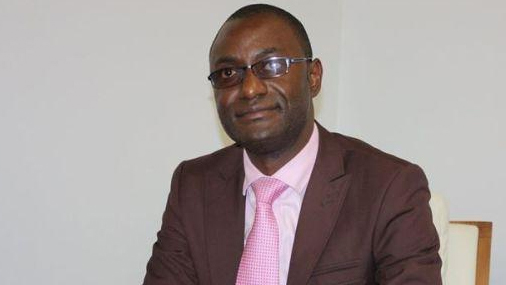
Southern African Regional Forum for Economic Development (SARFED) Regional Coordinator Dr George Choongwa has made the call ahead of the 9th Southern African Customs Union (SACU) Summit currently underway in Cape Town, South Africa, where leaders from Botswana, Eswatini, Lesotho, Namibia and South Africa are expected to deliberate on regional economic integration, industrial development, trade cooperation and sustainable growth.
In a policy reflection released ahead of the summit, Choongwa argued that SACU’s future relevance will depend on its ability to respond to emerging socio-economic challenges, while positioning itself as a strategic driver of continental integration under the African Continental Free Trade Area (AfCFTA).
According to Choongwa, the current global environment is characterised by growing uncertainty, geopolitical tensions, economic fragmentation and rising socio-economic pressures, making regional cooperation more important than ever.
He said SACU, as the world’s oldest customs union established in 1910, remains one of Africa’s most influential economic blocs and should leverage that position to strengthen trade relations and economic cooperation across the continent.
“SACU should establish and operationalise institutional harmonisation to end intra-continental trade challenges arising from socio-economic conflict relations,” he stated.
Dr Choongwa noted that economic integration cannot thrive in an environment characterised by social instability, policy inconsistencies and trade disruptions.
He, therefore, proposed the establishment of harmonised early warning mechanisms capable of detecting emerging threats to trade and economic cooperation before they escalate into broader regional challenges.
Such systems, he explained, would help member States identify risks associated with trade disputes, migration pressures, labour market tensions, supply chain disruptions and other socio-economic developments that could undermine regional integration efforts.
The economist believes that coordinated responses to these challenges would not only strengthen SACU, but also support the broader objectives of the AfCFTA, which seeks to create a single African market for goods and services.
“The current and future globalisation framework demonstrates that working in silos compounds socio-economic degradation and development in reverse. Regional institutions must therefore work together to strengthen collective resilience and competitiveness,” he said.
Dr Choongwa’s remarks come at a time when Africa is seeking to accelerate intra-African trade, industrialisation and value addition as part of efforts to reduce dependence on external markets and strengthen economic self-sufficiency.
The AfCFTA, which officially commenced trading in 2021, is expected to become the world’s largest free trade area by number of participating countries, covering more than 1.4 billion people and a combined gross domestic product exceeding US$3 trillion.
*Full article available on Pressreader*
Southern African Regional Forum for Economic Development (SARFED) Regional Coordinator Dr George Choongwa. (File pic)