MBABANE – The Eswatini Electricity Company (EEC) has launched a major process to redesign electricity tariffs and conduct a comprehensive cost of supply study.
This is aimed at improving cost reflectivity, financial sustainability and fairness across customer categories.
The initiative forms part of the World Bank-funded Accelerating Sustainable and Clean Energy Access Transformation in Eswatini (ASCENT Eswatini) Project and is expected to reshape the country’s electricity pricing framework amid growing energy sector reforms and the increasing integration of renewable energy sources.
The ASCENT Eswatini Project is a E1.6 billion (US$100 million) initiative aimed at achieving universal electricity access in Eswatini by 2030.
Coordinated by the Ministry of Natural Resources and Energy and implemented by EEC, it will connect over 50 000 people to clean energy. The ASCENT project is structured around three primary focus areas to overcome the country’s current energy access gap:
Network reinforcement: Rehabilitating and modernising the country’s power grid, constructing new transmission lines and building substations to improve energy security and service reliability.
Electrification expansion: Extending grid connections to rural and peri-urban areas, alongside deploying off-grid solar home systems for remote, low-income households that are difficult to reach via traditional power lines.
Technical assistance and capacity building: Enhancing sector planning, improving financial viability and ensuring the sustainability of energy infrastructure. According to the Request for Expression of Interest (REOI) issued by the power utility, the project will focus on aligning existing Time-of-Use (TOU) tariffs with electricity import tariff structures while also determining the true cost of supplying electricity across different consumer categories using Long Run Marginal Cost (LRMC) methodologies.
The utility said the exercise would help establish a tariff structure that supports cost reflectivity, equity, affordability and long-term financial sustainability.
EEC noted that the consultancy assignment would be undertaken in three major workstreams, beginning with the alignment of Time-of-Use tariffs. The utility explained that the first phase would focus on aligning electricity import Time-of-Use tariffs with the company’s existing customer tariff categories in order to improve revenue adequacy and ensure cost reflectivity within the current tariff review cycle.
The second component involves a detailed cost of supply study that will determine the actual cost of supplying electricity to different customer groups. According to the tender document, the study will include cost allocation across utility segments, determination of marginal cost parameters, identification of cross-subsidies and inefficiencies, as well as establishment of the utility’s revenue requirements.
The third component will focus on tariff redesign and restructuring to ensure that the electricity pricing model aligns with changing dynamics in the energy sector.
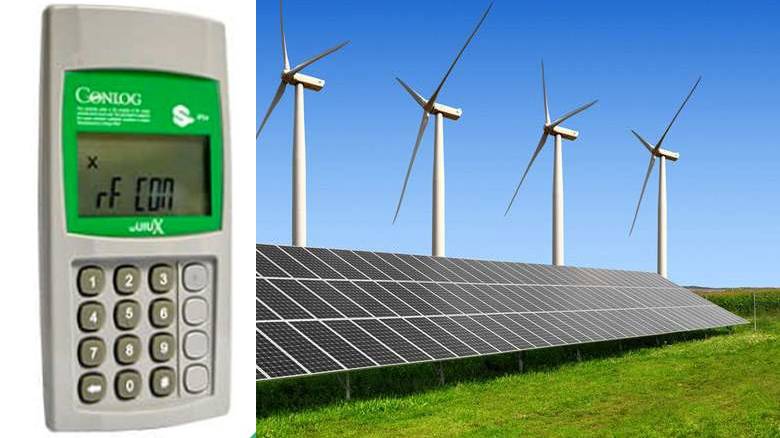
EEC stated that the redesigned tariffs would incorporate issues such as renewable energy integration, efficient energy use, capacity-based pricing and affordability considerations for vulnerable customers.
The utility further indicated that the new tariff model would address declining revenues resulting from market reforms such as embedded generation, wheeling arrangements and customer contestability.
*Full article available on Pressreader*
EEC stated that the redesigned tariffs would incorporate issues such as renewable energy integration, efficient energy use, capacity-based pricing and affordability considerations for vulnerable customers. (Courtesy pic)