




















News
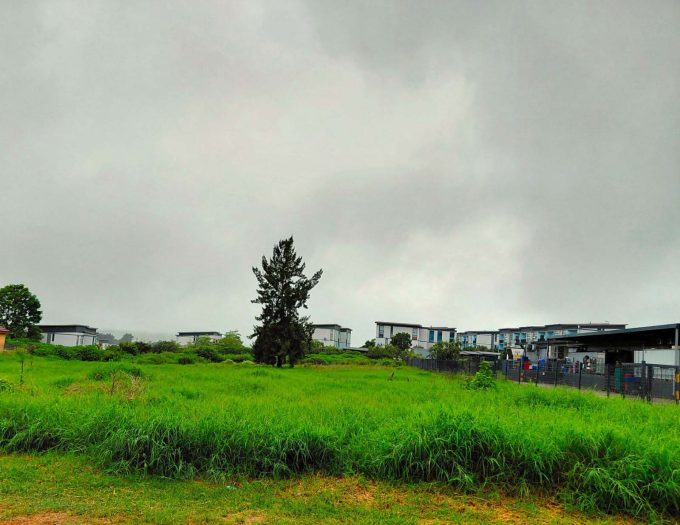
Lavumisa town plans 354-hectare industrial park- CEO Seyama
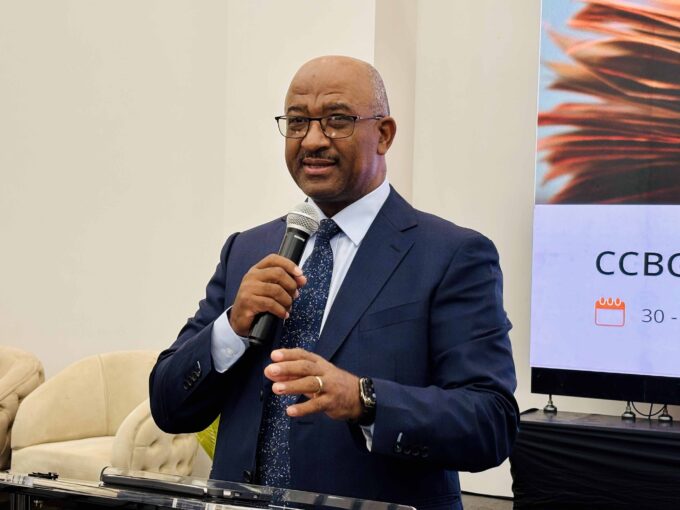
MBABANE – Lavumisa Town Board is pursuing plans for a 354-hectare industrial park aimed at attracting manufacturing and processing activities to the southern town. Lavumisa Town Board Chief Executive Officer...
Lavumisa town plans 354-hectare industrial park- CEO Seyama
MBABANE – Lavumisa Town Board is pursuing plans for a 354-hectare industrial park aimed at attracting manufacturing and processing activities to the southern...
Oracle Insurance revenue jumps to E202.6m
MBABANE - Oracle Insurance and Oracle Life have reported a significant improvement in financial performance, with combined revenue increasing to E202.6 million for...
Notsa Eswatini crowned 2026 Entrepreneur of the Year
MBABANE - Notsa Eswatini, the youth-owned textile manufacturer founded by Wandile Dlamini, has been crowned Eswatini’s 2026 Entrepreneur of the Year. The business,...
OK Foods boss opens doors for young entrepreneurs
NGWANE PARK - A local businessman is turning his success into an opportunity for young entrepreneurs to grow their businesses and create jobs....
Lower rates may not translate into cheaper loans – IMF
MBABANE – Eswatini’s efforts to stimulate economic activity through lower interest rates may not translate into cheaper loans. This is as commercial banks...
FNB Eswatini reopens revamped Matsapha branch
MBABANE - FNB Eswatini has reopened its renovated Matsapha Branch, with the refurbishment aimed at improving customer experience, streamlining service delivery and accommodating...
Insurance premiums surge as Eswatini sector records growth
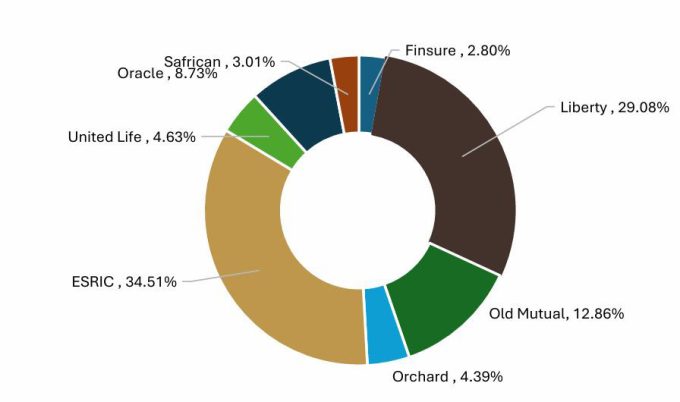
MBABANE - Eswatini’s insurance industry recorded strong growth in premium income during the second quarter of 2026. According to the Financial Services Regulatory...
‘Cat’ Matlala ID saga: Home Affairs official dismissed
MBABANE – Nonhlanhla Malambe, the Home Affairs official found guilty over the issuance of Eswatini national documents to Vusimuzi ‘Cat’ Matlala, has been...
MaMkhize absent as Eswatini team suffer 2nd defeat
NHLANGANO – Mbabane Highlanders AM suffered another painful defeat without President Shauwn ‘MaMkhize’ Mkhize in the stands, as Nsingizini Hotspurs edged them 1-0...
Ex-magistrate, another allegedly disobey court orders
MBABANE – Jail time has been sought for former Magistrate Dumisani Magagula and an individual with whom he is alleged to have disobeyed...
10-litre container of drugs allegedly found with clinic guard
VUVULANE – Community members reportedly recovered a 10-litre container of medication from a security guard at Vuvulane Rural Clinic, raising concerns of theft....
Indlovukazi arrives in UAE for official visit
Her Majesty Indlovukazi has arrived safely in the United Arab Emirates (UAE) where she is on an official visit. Her Majesty arrived around...
Latest Videos

EswatiniBank re-Imagines Khululeka Personal Loan
20 October 2026
Together Through the Journey: A Story of Courage, Love and Hope!
19 October 2026
KICKED OUT OF HOME | BUILT MULTIMILLION RAND REAL ESTATE BUSINESS | MHLONISHWA WINSTON KUNENE
16 October 2026
MENTAL HEALTH TALK | LOVE YOUR MIND FOUNDER: SISEKELO NKOSI
9 October 2026
INTERNATIONAL THEATRE FESTIVAL | DIRECTOR TELLS IT ALL ON THE TIMES TALK PODCAST
28 September 2026
8Bet For 8 Friends Game Show Season Premeir
25 September 2026
HOW TO BE A GOOD CONTENT CREATOR | GOGO ESWATINI |
25 September 2026
HEADLINES | SEPT 22
22 September 2026
AFTERNOON EXPRESS
21 September 2026
Sports
Ex-Chiefs star Ntshangase opens Eswatini goal account
MBABANE – Former Soweto giants Kaizer Chiefs star midfielder Siphelele Ntshangase stole the spotlight today during a pulsating MTN Premier League week five encounter against Madlenya staged at Killarney Sports...


Comments and Analysis
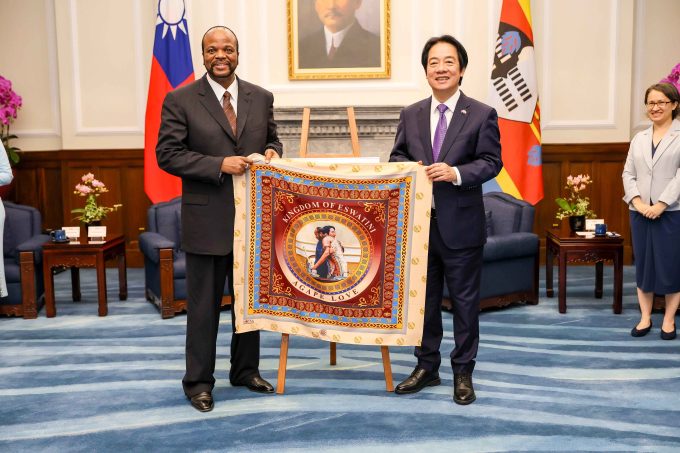
The King’s bold new challenge
Taiwan is recognised as one of the world’s top 21 economies, known for its advanced high technology and semiconductor capabilities. It produces over...

Back to the serious stuff
Among the many good aspects of human behaviour that countries like Eswatini and the United Kingdom have in common, let us share today...

Zimbabwe’s phoenix must rise for everyone
Zimbabwe’s economic story is one of extraordinary contrasts. A country once associated with economic collapse, hyperinflation, political violence and mass emigration is now...

Calibrating EYEOP for impact
It is befitting to start this piece by acknowledging the E500 million that the government is ploughing into youth opportunities. Eswatini youth employment...

Motoring
2 Tunlands, 10 reasons to fall in love
A great bakkie should do more than get the job done. It should make the daily commute enjoyable, bring comfort to family trips and inspire new adventures beyond the city....


Letters To The Editor
Has Microprojects been turned into MPs’ campaign tool?
Madam, Since when has Microprojects become a campaigning tool for Members of Parliament? This development should be a cause for concern for all emaSwati and raises a critical question: Is...