


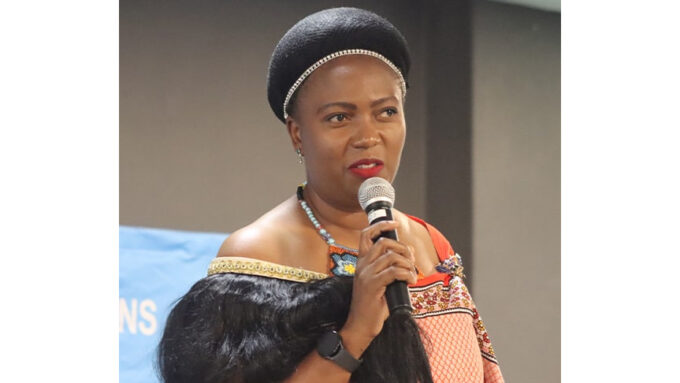
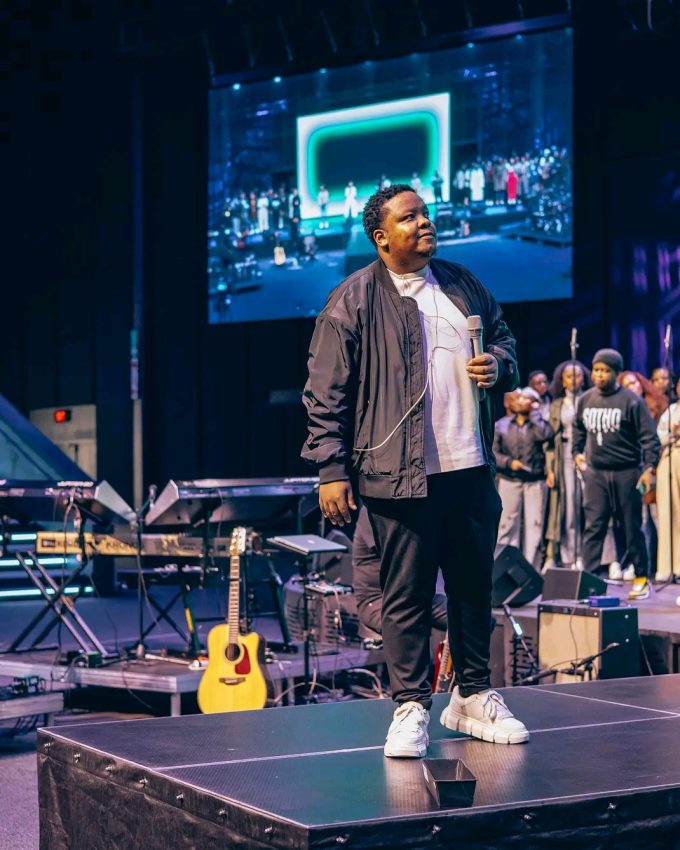
MBABANE – Local artist Lady Sphesh is currently in the studio collaborating with renowned South African producer Heavy K.
Heavy K, a prominent figure in the house and Afro-House genres, has made a significant impact across the continent. His notable tracks include ‘Inde’, ‘Asibuyeli’, ‘Ulele’ and ‘Kwendzakalani’.
His distinctive sound has garnered him a large following both within South Africa and internationally.
Lady Sphesh confirmed to this publication that she is working on a new track with Heavy K.
She shared a video on her social media platforms showing the producer at work, showcasing her involvement in the creative process.
She stated that the project is a song, highlighting her ongoing efforts to expand her musical horizons.
This collaboration marks not her first with a South African artist. She has previously worked with artists such as Slowman Music and DJ Tpz.
These partnerships have helped her develop a versatile sound and gain exposure beyond her local scene.
For African artists, collaborating with international musicians is increasingly vital in a still-developing industry. Such partnerships open doors to broader audiences and help elevate African music on the global stage.
International collaborations serve as catalysts for growth and recognition, providing access to new markets and diverse musical influences. They also foster cultural exchange, enriching the artistry of local musicians.
Looking to South Africa, the success story of rapper Nasty C exemplifies this. His collaboration with American artist ASAP Ferg earned him international acclaim and positioned him as an African artist with global reach.
Such collaborations attracted attention from major American artists, including Future, who expressed interest in signing Nasty C to his label, Free Bandz.
For artists like Lady Sphesh, engaging with international musicians is a strategic move that can significantly enhance their careers. It reinforces the importance of cross-border cooperation in the African music industry, ensuring local talents are not confined within regional boundaries, but are part of a dynamic, global musical landscape.

















Leave a comment