



















News
AI to teach AI at UNESWA
MANZINI— UNESWA AI Academy is turning to artificial intelligence itself to help teach future students, as the University of Eswatini moves to strengthen its support for a growing number of...
AI to teach AI at UNESWA
MANZINI— UNESWA AI Academy is turning to artificial intelligence itself to help teach future students, as the University of Eswatini moves to strengthen...
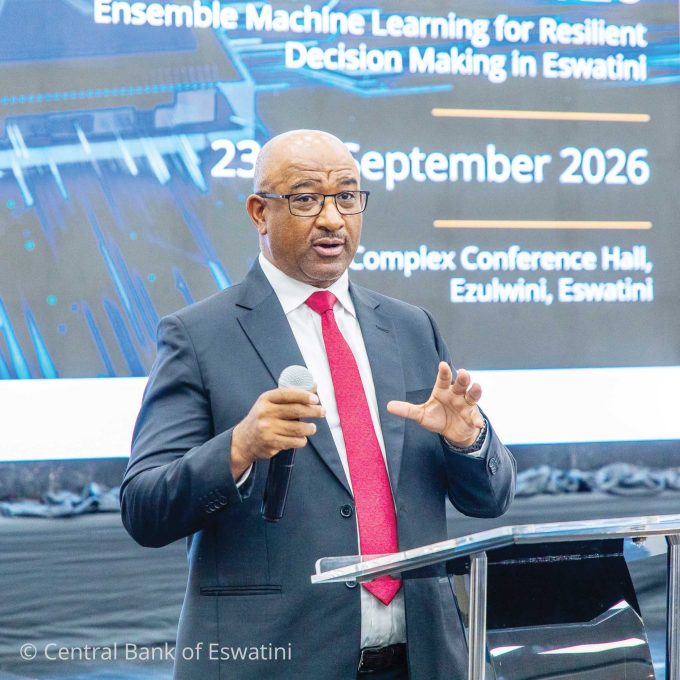
CBE raises rate as borrowing costs set to rise
MBABANE - The cost of borrowing is set to rise for households and businesses after the Central Bank of Eswatini (CBE) increased its...
Economist calls for debt management overhaul
MBABANE - Economist Sanele Sibiya has backed Business Eswatini (BE) Chief Executive Officer Nathi Dlamini’s call for government to slow the pace of...
ESCC earns global recognition for grassroots consumer protection
MBABANE - The Eswatini Competition Commission (ESCC) has received international recognition for its grassroots consumer protection work. The commission earned an honourable mention...
ERS targets E19.48bn domestic revenue
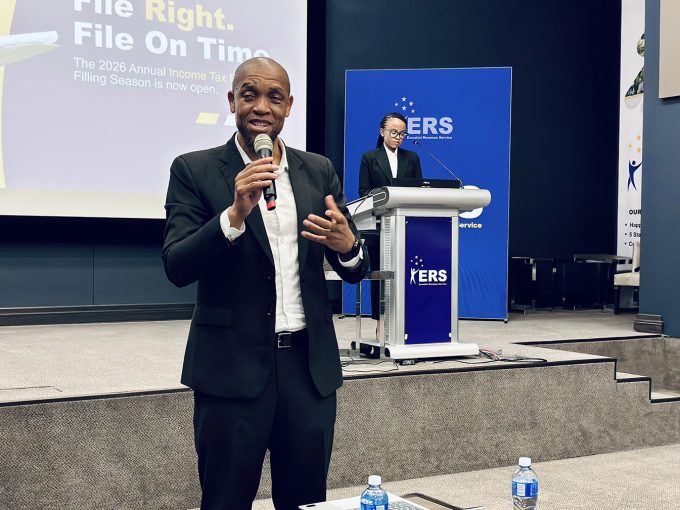
EZULWINI – The Eswatini Revenue Service (ERS) has been tasked with collecting E19.48 billion in domestic revenue during the 2026/27 financial year. Minister...
Cost of living expected to increase, erode real incomes
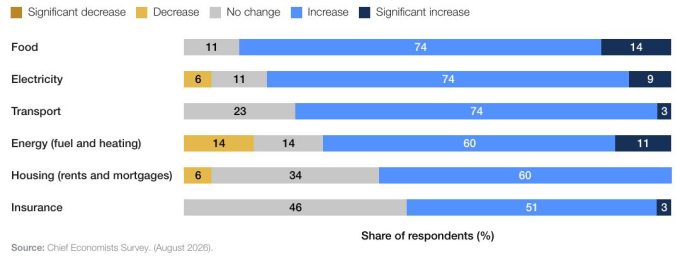
MBABANE – Everyday consumers are facing a fresh wave of financial pressure as basic necessities become significantly more expensive over the next 12...
Suppliers unite as govt payment delays hurt businesses
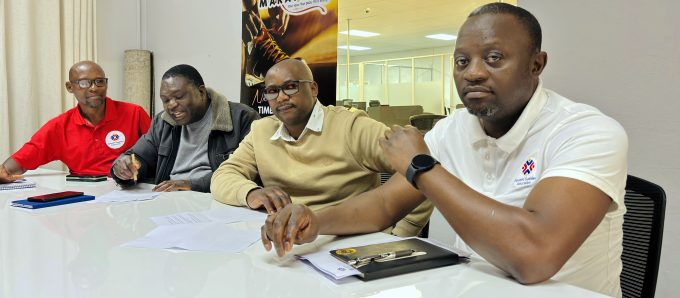
MBABANE - Local businesses, particularly MSMEs supplying government and private-sector entities, have come together to form the Eswatini Suppliers Association, amid persistent challenges...
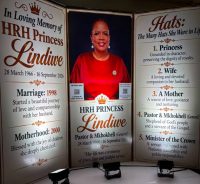
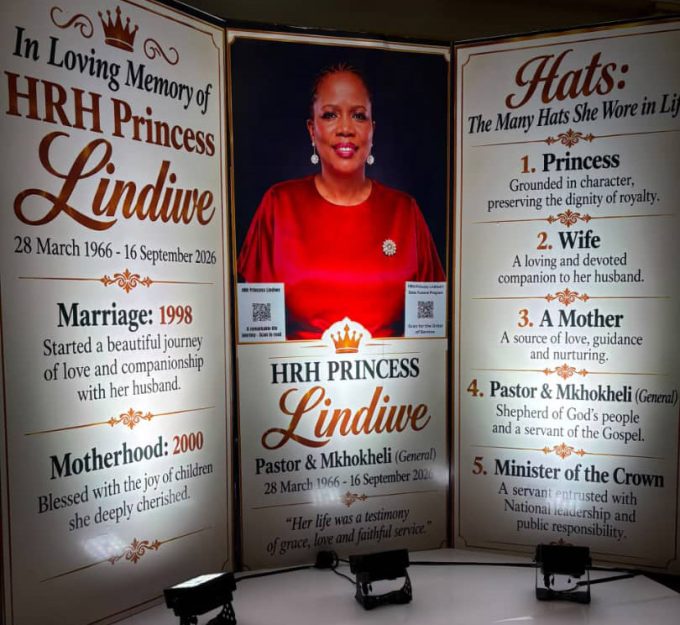
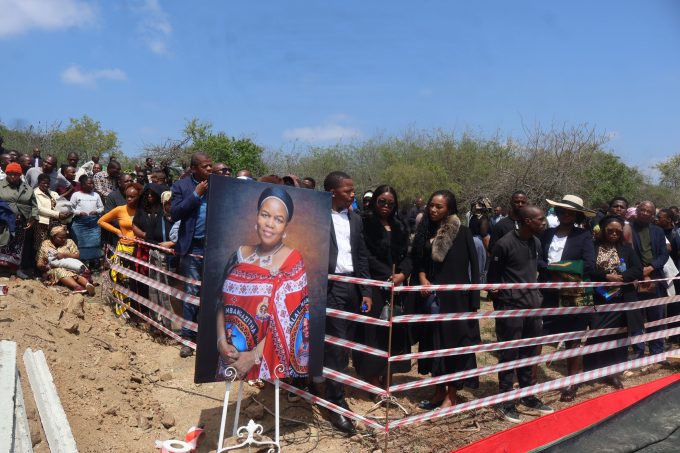
Mourners from around world gather for Princess Lindiwe
MATSAPHA — Mourners from around the world are in attendance to pay their tributes to the late Minister for Home Affairs Pastor Princess...
MaMkhize’s Eswatini team celebrate SA’s Heritage Day
EZULWINI — Mbabane Highlanders AM President Shauwn ‘MaMkhize’ Mkhize led the team's Heritage Day celebrations at Mantenga Cultural Village in a vibrant display...
‘MaMkhize’, Ally in Sunday showdown
MBABANE Shauwn ‘MaMkhize’ Mkhize’s Mbabane Highlanders AM will face Ally Kgomongwe’s Amawele in a headline MTN Premier League clash on Sunday. The encounter...
King shaped Princess Lindiwe into epitome of excellence
SIDVOKODVO – Prince Guduza has credited His Majesty King Mswati III with shaping Princess Lindiwe into the woman mourners celebrated at her funeral...
Mthandeni tells family he left because he felt unsafe
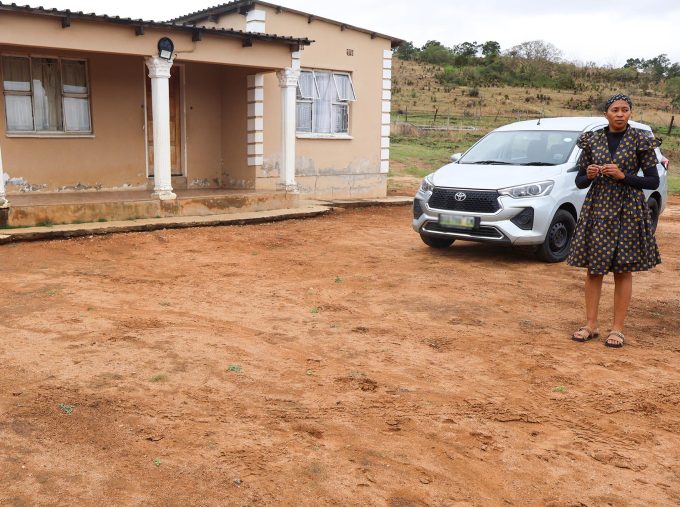
NGWEMPISI – Former Ngwempisi Member of Parliament Mthandeni Dube told his family that he left home because he felt unsafe. Dube’s home is...
Latest Videos

HOW TO BE A GOOD CONTENT CREATOR | GOGO ESWATINI |
25 September 2026
HEADLINES | SEPT 22
22 September 2026
AFTERNOON EXPRESS
21 September 2026
HEADLINES | SEPT 21
21 September 2026
NEW EPISODE LOADING
18 September 2026
ALL THE BUSINESS ADVISE YOU NEED IN ONE PODCAST: FULL EPISODE OUT ON YOUTUBE!
18 September 2026
ALL THE BUSINESS ADVISE YOU NEED | IN ONE PODCAST | DR SIKHOMBA GUMBI
18 September 2026
HEADLINES | SEPT 18
18 September 2026
HEADLINES | SEPT 17
17 September 2026
Sports
E100k unclaimed In Maguga Bass Challenge
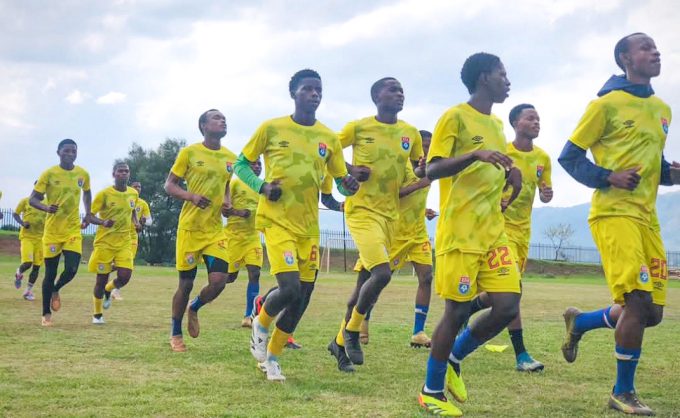
MAGUGA – The coveted E100 000 prize remained unclaimed at the Maguga Cash Challenge after no angler managed to land a bass weighing 4.5kg or more. Peter McCullough instead emerged...


Comments and Analysis
Files waiting for new CJ
The burial of Chief Justice Bheki Cuthbert Moses Maphalala last Saturday brought to an end the life and judicial career of the first...

Let us see some real respect
Payment of rates and rent paid to the ratepayer landlord represents a major item in the budget of most families in each urban...

Politicians, drug cartels behind HIV comeback
When I saw the CNN report that Fiji had declared a national HIV emergency, my first reaction was disbelief. How are we still...
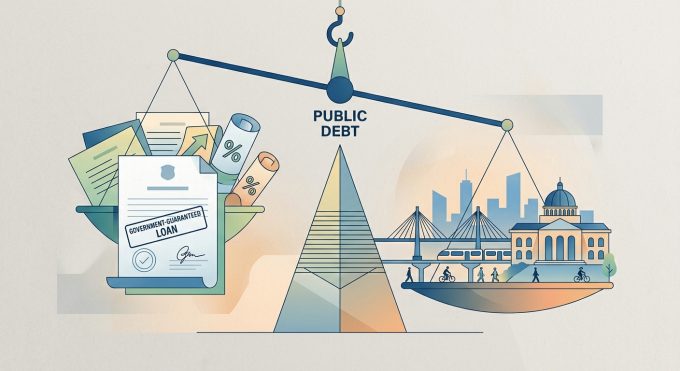
New debt strategy: Borrowing by proxy, risking by guarantee
Last year, it was the Eswatini National Petroleum Company (ENPC). This year, it is the Eswatini Posts and Telecommunications Corporation (EPTC). A new...

Motoring
Motruck Nissan unveils all-new Nissan Tekton in Eswatini
Motruck Nissan Eswatini has officially launched the all-new Nissan Tekton, marking what is described as a new era for the Nissan brand in the local market. The launch comes as...




Letters To The Editor
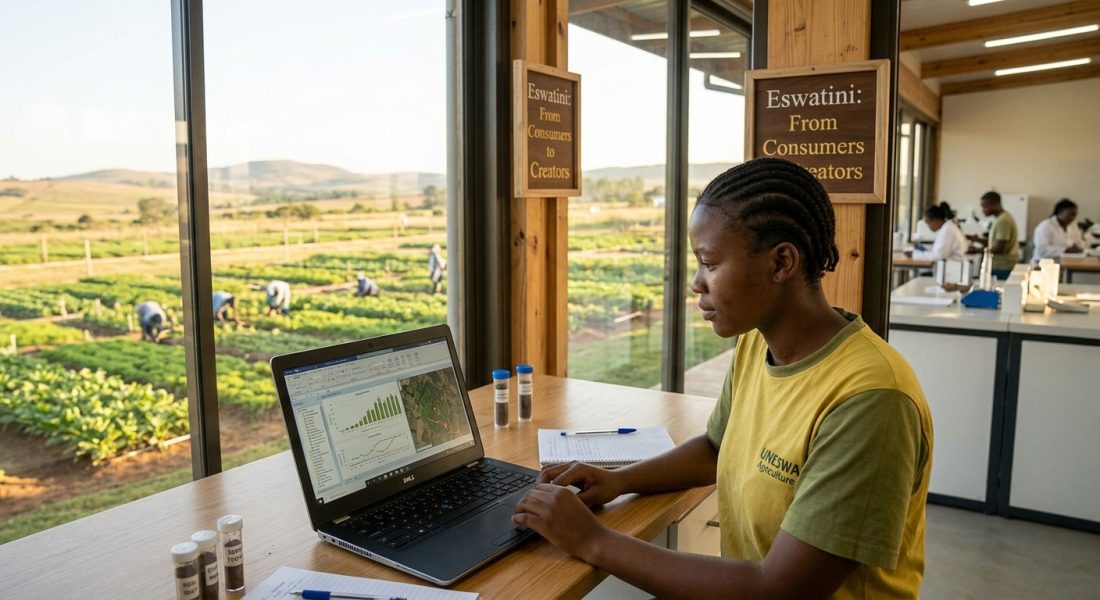
Eswatini has started the journey
... from consumers to creators Madam, Part I - Eswatini has made important progress in food security, healthcare, education and technology. Across Africa, governments, universities, farmers, scientists and young innovators...