





















News
Eswatini 52% ready for potential Ebola outbreak
EZULWINI – Eswatini has been evaluated to be 52 per cent ready for a potential Ebola outbreak, reflecting a moderate level of national health security preparedness. This is according to...
Driver faces six charges after E600k dagga seizure, crash
MANZINI – A 24-year-old driver from Mananga is facing six charges following a high-speed crash that claimed the life of his passenger and...
FNB Eswatini reopens revamped Matsapha branch
MBABANE - FNB Eswatini has reopened its renovated Matsapha Branch, with the refurbishment aimed at improving customer experience, streamlining service delivery and accommodating...
Insurance premiums surge as Eswatini sector records growth
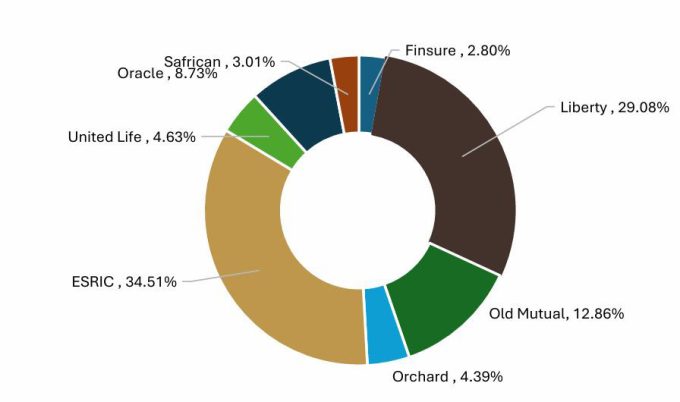
MBABANE - Eswatini’s insurance industry recorded strong growth in premium income during the second quarter of 2026. According to the Financial Services Regulatory...
ESWACAA opens airport SEZ to investors
MBABANE – ESWACAA is inviting investors to explore opportunities in agro-processing, pharmaceutical manufacturing, cargo logistics, renewable energy and waste management within the proposed...
IMF warns of rising cost-of-living pressures across Eswatini, Africa
MBABANE - Eswatini households could face increased cost-of-living pressures as higher fuel, transport and fertiliser costs threaten to push prices higher across Sub-Saharan...
Ubombo Sugar proves Eswatini businesses can excel globally
BIG BEND - Ubombo Sugar Limited’s latest recognition further underlines the ability of Eswatini-based businesses and their people to compete successfully and excel...
Inflation ticks up to 2.9% driven by housing, transport surges
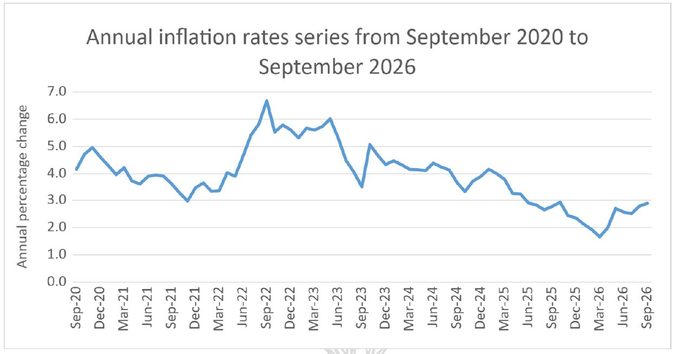
MBABANE — Eswatini’s headline inflation rate stood at 2.9 per cent in September 2026, registering a marginal increase of 0.1 percentage points compared...
‘Cat’ Matlala ID saga: Home Affairs official dismissed
MBABANE – Nonhlanhla Malambe, the Home Affairs official found guilty over the issuance of Eswatini national documents to Vusimuzi ‘Cat’ Matlala, has been...
MaMkhize absent as Eswatini team suffer 2nd defeat
NHLANGANO – Mbabane Highlanders AM suffered another painful defeat without President Shauwn ‘MaMkhize’ Mkhize in the stands, as Nsingizini Hotspurs edged them 1-0...
Ex-magistrate, another allegedly disobey court orders
MBABANE – Jail time has been sought for former Magistrate Dumisani Magagula and an individual with whom he is alleged to have disobeyed...
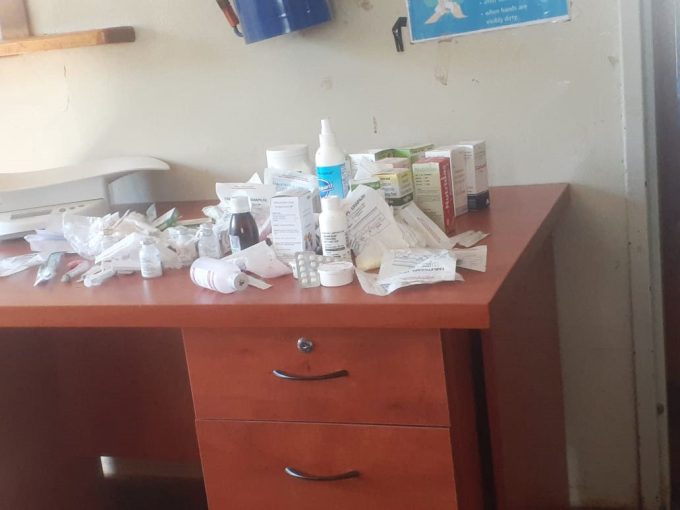
10-litre container of drugs allegedly found with clinic guard
VUVULANE – Community members reportedly recovered a 10-litre container of medication from a security guard at Vuvulane Rural Clinic, raising concerns of theft....
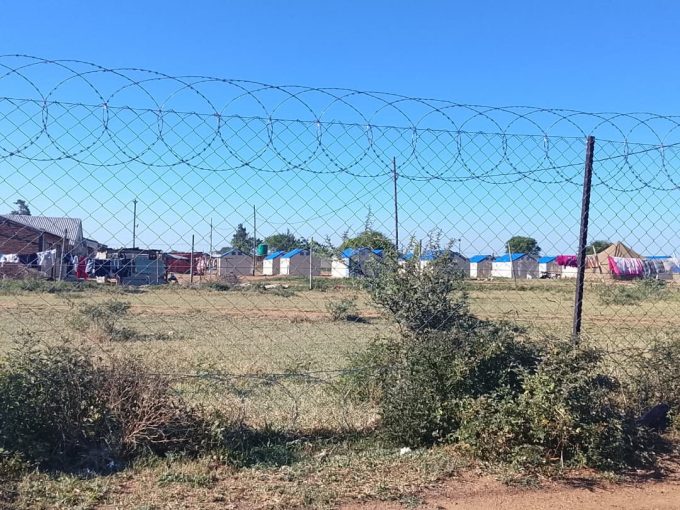
Mpaka centre grapples with refugee influx
MPAKA – Malindza Refugee Reception Centre is grappling with rising arrivals from several African countries. In the past two weeks alone, 18 foreigners...
Latest Videos

Together Through the Journey: A Story of Courage, Love and Hope!
19 October 2026
KICKED OUT OF HOME | BUILT MULTIMILLION RAND REAL ESTATE BUSINESS | MHLONISHWA WINSTON KUNENE
16 October 2026
MENTAL HEALTH TALK | LOVE YOUR MIND FOUNDER: SISEKELO NKOSI
9 October 2026
INTERNATIONAL THEATRE FESTIVAL | DIRECTOR TELLS IT ALL ON THE TIMES TALK PODCAST
28 September 2026
8Bet For 8 Friends Game Show Season Premeir
25 September 2026
HOW TO BE A GOOD CONTENT CREATOR | GOGO ESWATINI |
25 September 2026
HEADLINES | SEPT 22
22 September 2026
AFTERNOON EXPRESS
21 September 2026
HEADLINES | SEPT 21
21 September 2026
Sports
Top KFC Scara Thindwa stars for Soweto Derby
MBABANE – You reap what you sow! This adage sound true for the best-performing pupils in the 2026 KFC Scara Thindwa Soccer Foundation, who will be rewarded with match tickets...





Comments and Analysis
The cows are free. The law isn’t.
I saw pictures of our legislators at Sibebe Resort last week. Serious suits. Flip charts. Bottled water that costs more than a clinic...

Is restricting Parly gifts necessary?
As legislatures across the globe tighten codes of conduct to curb undue influence, a growing debate has surfaced within Eswatini’s parliamentary corridors: Should...

Paris showing where the world hurts
There is a tendency to look at protests in foreign countries as problems belonging to the people who live there. When streets in...

Too precious to declare?
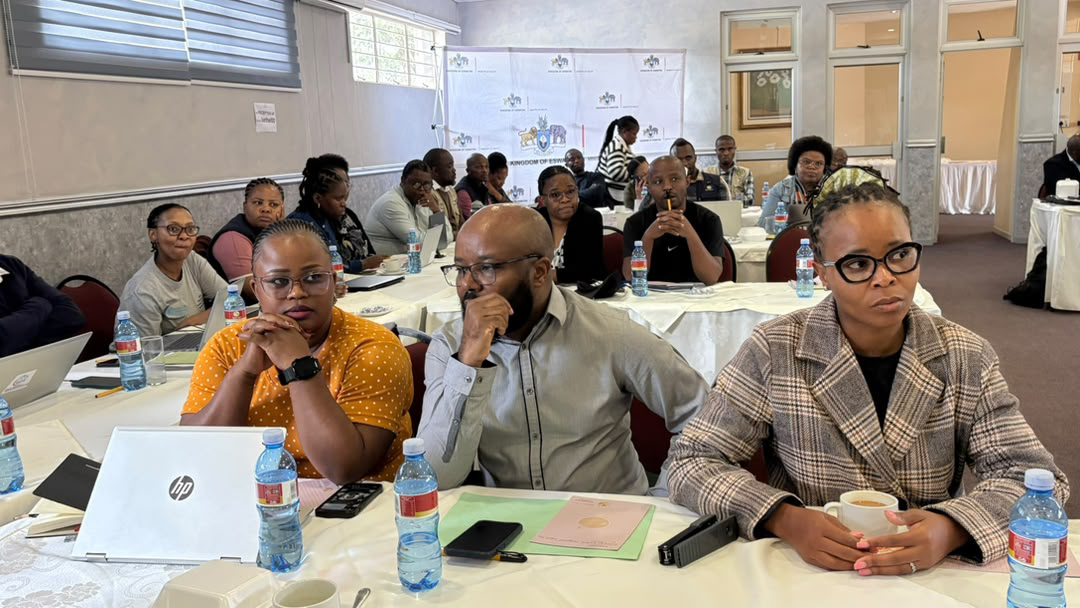
The debate by MPs and Cabinet ministers during their retreat on the Leadership Code of Conduct Bill, 2025, left me concerned about the...
Training and Education
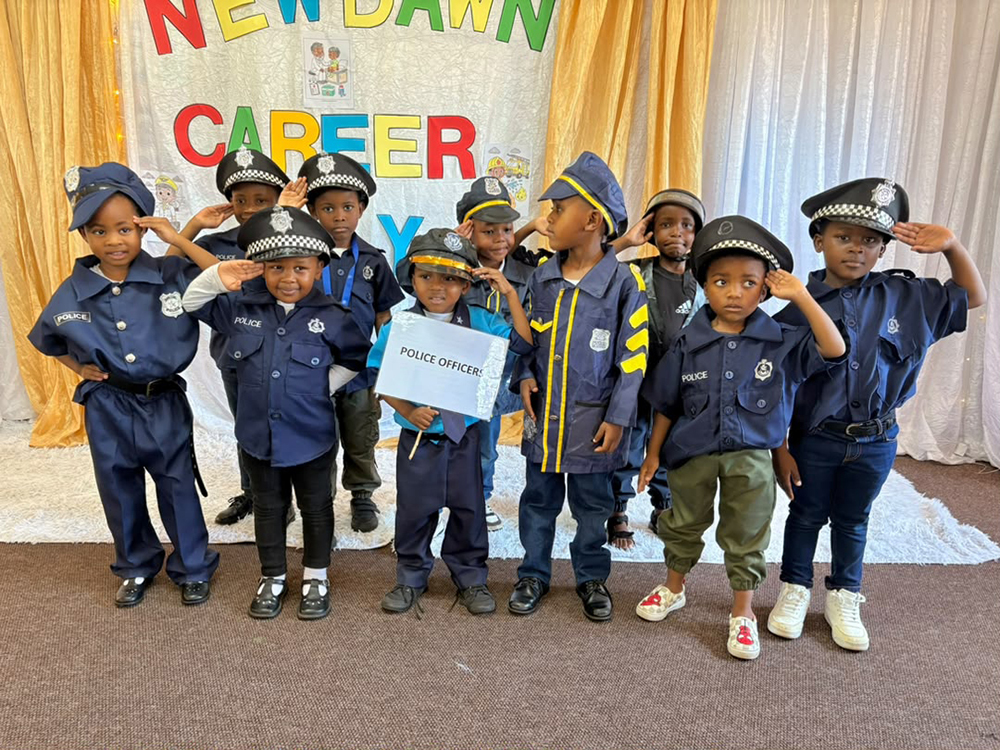
New Dawn Preschool nurtures big dreams at Career Day
Dreams took centre stage at New Dawn Preschool last Thursday as the school transformed into a vibrant hub of ambition, creativity and inspiration during its Career Day celebration. From little...



Letters To The Editor
Call to action against harassment, bullying
Part 1 Madam, Foundation of a dignified society A safe and productive workplace is built on respect, equality and professionalism. Employees, church members and students perform at their best when...