
















Sports
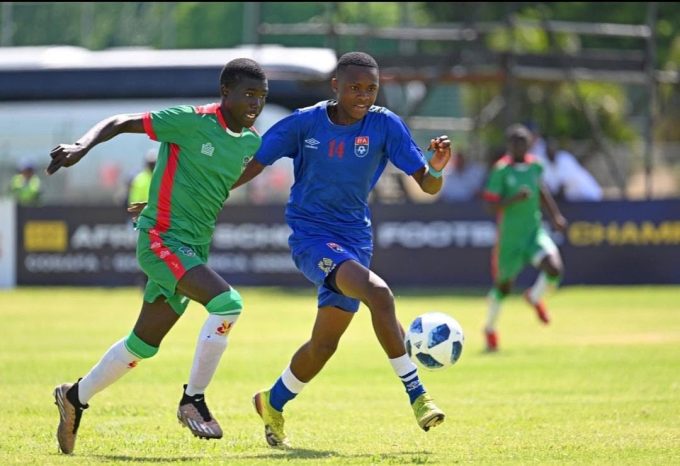
Ally’s Eswatini team unveil new coach
MBABANE - South African businessman Ally Kgomongwe-backed side Amawele unveiled former Green Mamba gaffer Bongani Mhlongo as their new Head Coach. Mhlongo was introduced to the players during their training...
ESCCOM opens confidential whistleblower channel
MBABANE – ESCCOM has launched a confidential whistleblowing mechanism to allow the public to report suspected wrongdoing at the regulator. The initiative, known...
Suppliers unite as govt payment delays hurt businesses
MBABANE - Local businesses, particularly MSMEs supplying government and private-sector entities, have come together to form the Eswatini Suppliers Association, amid persistent challenges...
Quarry stone production up 158.8% as construction booms
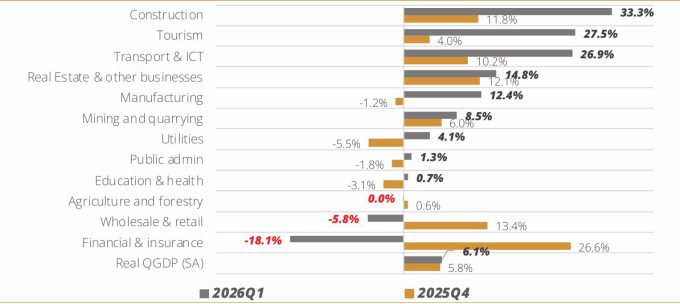
MBABANE – A surge in construction activity across Eswatini drove quarry stone production up by a remarkable 158.8 per cent during the first...
MTN Group vice president visits Eswatini
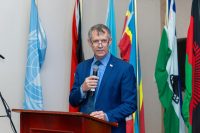
EZULWINI - MTN Group Senior Vice President Ebenezer Asante is in Eswatini to engage with the local operation’s executive leadership team on the...
Eswatini outpaces most SACU peers
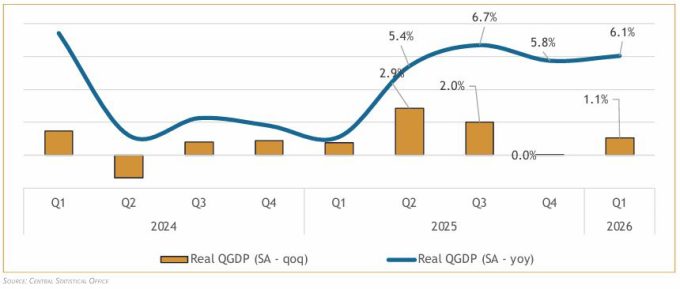
MBABANE - Eswatini’s economy expanded by 6.1 per cent in the first quarter of 2026, placing the country among the stronger-performing economies in...
EIPA launches digital tools for trade
EZULWINI - EIPA has launched two digital intelligence tools designed to give investors, exporters, businesses and policymakers easier access to information needed to...
SFC diversifies into agriculture to support food security
NHLANGANO - Shiselweni Forestry Company (SFC) is diversifying into agriculture through maize, sugar beans and beef production as part of efforts to support...
MaMkhize’s Eswatini team fire blanks in league opener
LOBAMBA – South African businesswoman Shauwn 'MaMkhize' Mkhize's Mbabane Highlanders AM played out a goalless draw against Green Mamba in a pulsating MTN...
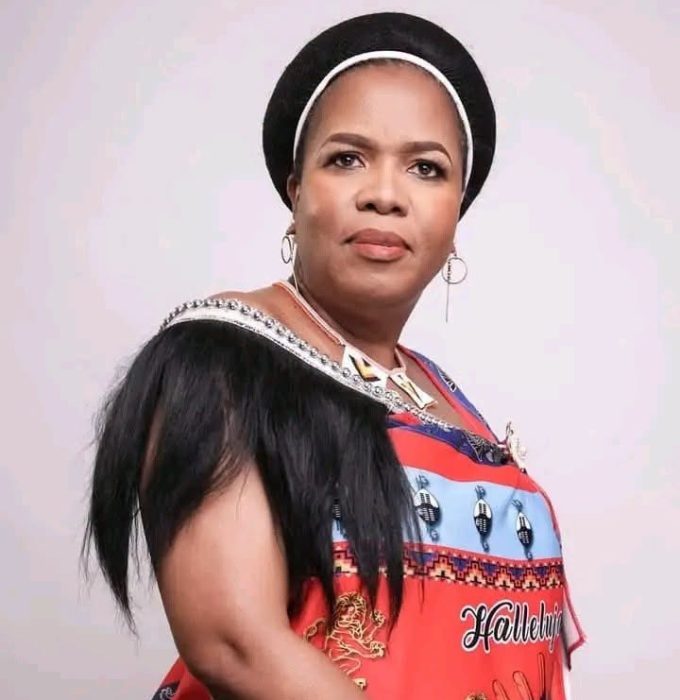
Nation mourns Home Affairs Minister Princess Lindiwe
MBABANE — The nation is mourning the death of Her Royal Highness Princess Lindiwe, Minister of Home Affairs, who died yesterday following a...
Late CJ Bheki Maphalala repatriated from South Africa
MBABANE - The body of the late Chief Justice Bheki Maphalala has been repatriated into the country from South Africa. Maphalala's body was...
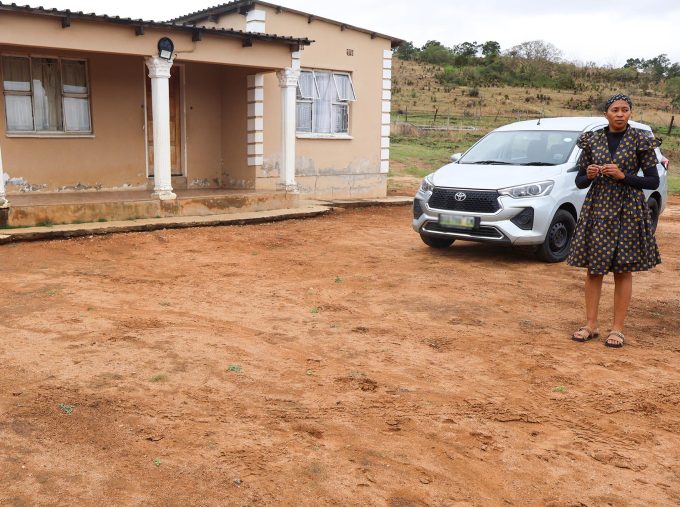
Mthandeni tells family he left because he felt unsafe
NGWEMPISI – Former Ngwempisi Member of Parliament Mthandeni Dube told his family that he left home because he felt unsafe. Dube’s home is...
Mthandeni vanishes as HMCS probes audio
MBABANE – Former Ngwempisi Member of Parliament Mthandeni Dube is nowhere to be found. This was determined after an enquiry team established by...
Latest Videos

AFTERNOON EXPRESS
21 September 2026
HEADLINES | SEPT 21
21 September 2026
NEW EPISODE LOADING
18 September 2026
ALL THE BUSINESS ADVISE YOU NEED IN ONE PODCAST: FULL EPISODE OUT ON YOUTUBE!
18 September 2026
ALL THE BUSINESS ADVISE YOU NEED | IN ONE PODCAST | DR SIKHOMBA GUMBI
18 September 2026
HEADLINES | SEPT 18
18 September 2026
HEADLINES | SEPT 17
17 September 2026
FAMILY BUSINESS EPISODE LOADING
16 September 2026
HEADLINES | SEPT 16
16 September 2026
Sports
Ally’s Eswatini team unveil new coach
MBABANE - South African businessman Ally Kgomongwe-backed side Amawele unveiled former Green Mamba gaffer Bongani Mhlongo as their new Head Coach. Mhlongo was introduced to the players during their training...



Comments and AnalysisThe Punchline
Love, loans and other monthly instalments
Linda slammed her mug onto the laminate table so hard the instant coffee jumped out like it was trying to escape the conversation....

Law enforcement in Eswatini must operate within human rights
First, I would like to offer my condolences on the passing of high-ranking government officials, Princess Lindiwe and the Chief Justice Bheki Maphalala....

A life defined by service
There are some public servants whose legacy is not found in one grand announcement or a single defining moment. It is built quietly...
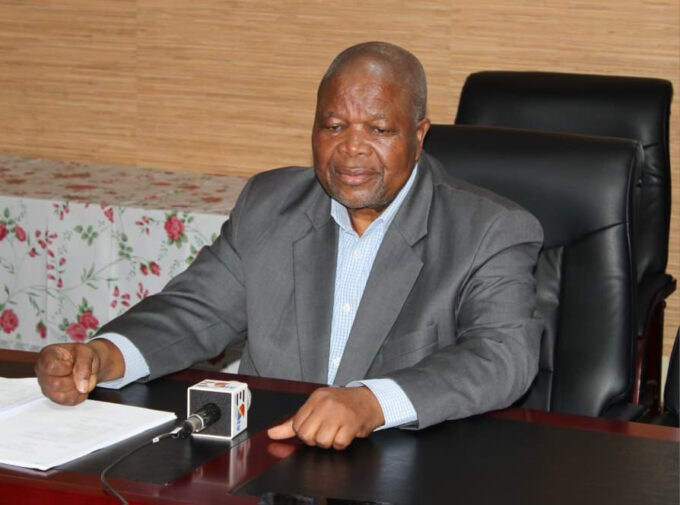
CJ’s death should spur action on King’s call
Talkabout a painful irony. On the same day, His Majesty King Mswati III was opening the Khanyisile Hee Yeon Medical Centre at Enyonyane...
Training and Education
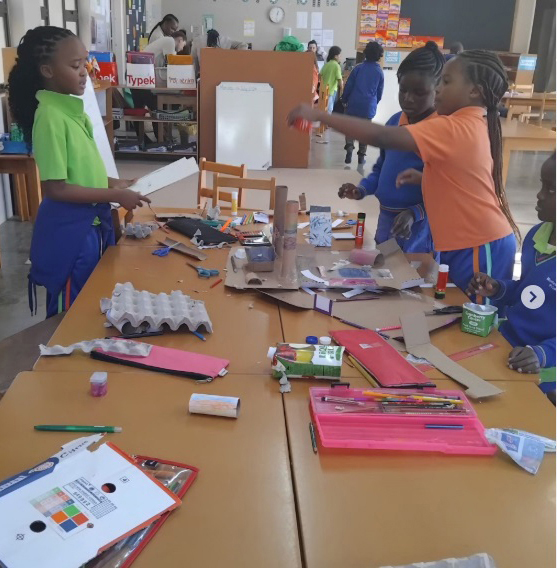
Montessori Life Primary opens applications for 2027
Parents seeking a nurturing, learner-centred educational environment for their children can now apply for admission to Montessori Life Primary as the school officially opens applications for the 2027 academic year....




Letters To The Editor
A nation in mourning
Madam, There are moments when a nation is left searching for words, moments when the weight of loss becomes too heavy for words to carry. The past two weeks have...